Everything You Need to Know Before Choosing a Wrinkle or Skin-Tightening Treatment
Botox and radiofrequency (RF) skin tightening are two of the most commonly compared non-surgical aesthetic treatments—but they address aging in fundamentally different ways. Botox works at the muscular level to soften expression-related wrinkles, while radiofrequency skin tightening targets the skin’s deeper layers to stimulate collagen production and improve firmness.
Because many patients are unsure whether RF treatments can replace Botox—or whether Botox can tighten sagging skin—this comprehensive guide breaks down Botox vs. radiofrequency skin tightening in detail. By the end, you’ll understand exactly what each treatment does, where its limits are, and when combining both delivers the best results.
Table of Contents
- 1. What Are Botox and Radiofrequency Skin Tightening?
- 2. Key Differences Between Botox and Radiofrequency Skin Tightening
- 3. Effectiveness & Results
- 4. Cost Comparison: Botox vs. Radiofrequency Skin Tightening
- 5. Safety & Side Effects
- 6. Ideal Candidates: Who Should Choose Which?
- 7. Expert Opinions & Real-World Experience
- 8. Combination Strategy: Botox + Radiofrequency
- Final Thoughts: Botox vs. Radiofrequency Skin Tightening
1. What Are Botox and Radiofrequency Skin Tightening?
1.1 Definitions and Origins
Botox (OnabotulinumtoxinA): Botox is a purified neuromodulator derived from Clostridium botulinum. It temporarily relaxes targeted facial muscles responsible for dynamic wrinkles such as forehead lines, frown lines, and crow’s feet. FDA-approved for cosmetic use in 2002, Botox is one of the most extensively studied and widely performed aesthetic treatments worldwide.
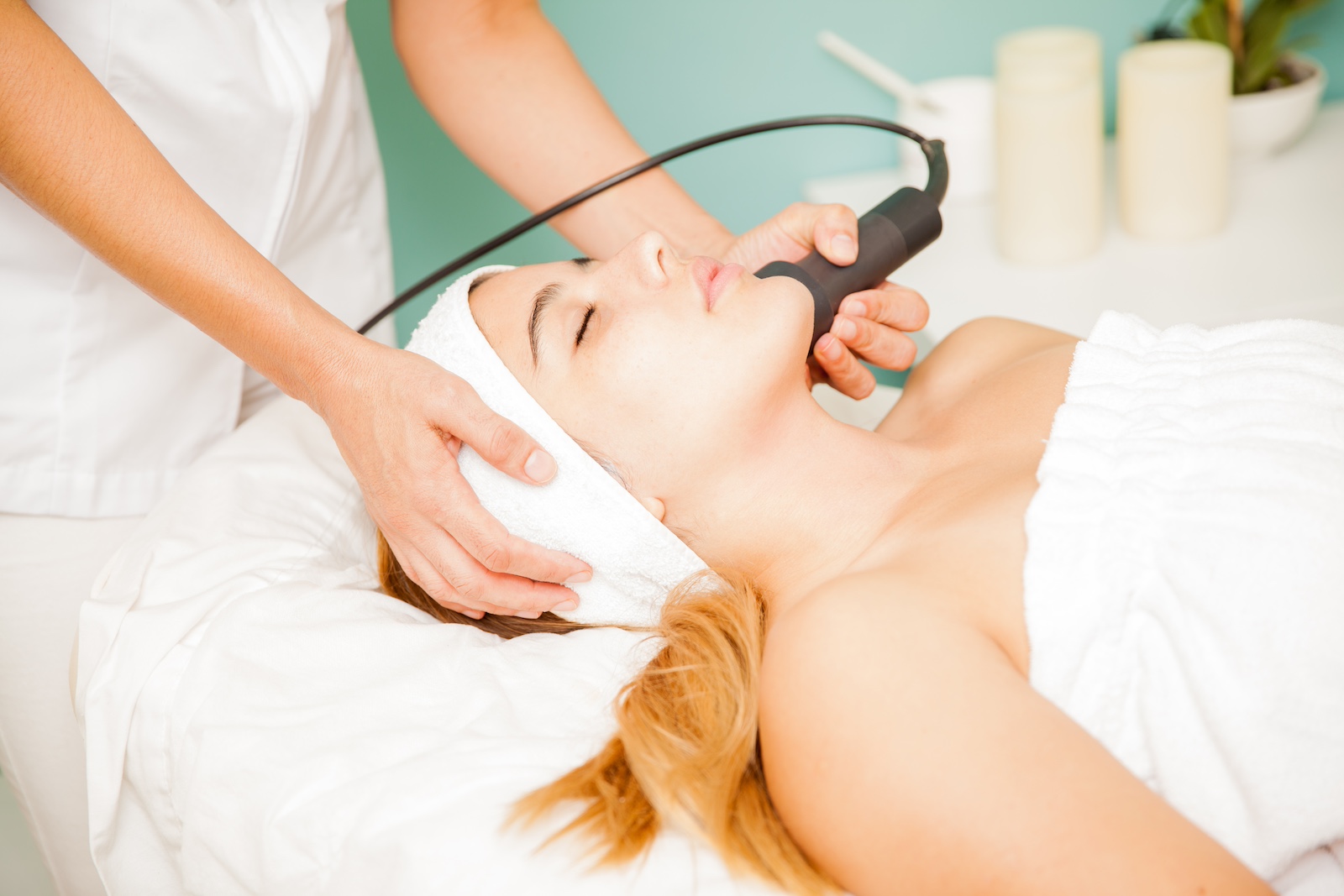
Radiofrequency Skin Tightening: Radiofrequency skin tightening is a non-invasive or minimally invasive treatment that uses controlled RF energy to heat the dermis and subdermal tissue. This heat stimulates collagen contraction and triggers new collagen and elastin production, leading to firmer, tighter skin over time. Popular RF technologies include Thermage, Forma, Exilis, and Morpheus-based RF systems.
1.2 Mechanism of Action
- Botox: Blocks acetylcholine release at the neuromuscular junction, preventing muscle contraction. This reduces repetitive facial movements that cause wrinkles.
- Radiofrequency: Delivers thermal energy to deeper skin layers, causing immediate collagen contraction and long-term collagen remodeling.
1.3 FDA Status and Medical Classification
- Botox: FDA-approved injectable prescription medication.
- Radiofrequency Skin Tightening: FDA-cleared devices for non-invasive skin tightening and wrinkle reduction.
2. Key Differences Between Botox and Radiofrequency Skin Tightening
2.A Purpose and Treatment Focus
- Botox: Targets dynamic wrinkles caused by muscle movement. It does not improve skin laxity or firmness.
- Radiofrequency: Targets skin laxity, loss of firmness, and collagen depletion. It does not stop muscle-driven wrinkles.
2.B Areas of Impact
| Concern | Botox | Radiofrequency |
|---|---|---|
| Forehead Lines | ✔ Highly effective | ⚠ Mild improvement |
| Crow’s Feet | ✔ Gold standard | ⚠ Limited |
| Skin Laxity | ✖ | ✔ Major benefit |
| Jawline Sagging | ⚠ Limited | ✔ Strong benefit |
| Neck Tightening | ⚠ Limited | ✔ Excellent |
| Texture & Firmness | ✖ | ✔ Significant |
2.C Speed of Results
- Botox: Results appear within 3–5 days and peak at 10–14 days.
- Radiofrequency: Some immediate tightening is visible, but optimal results develop gradually over 2–6 months.
2.D Duration of Results
- Botox: Lasts approximately 3–4 months.
- Radiofrequency: Results can last 12–24 months depending on treatment type and maintenance.
3. Effectiveness & Results
3.A Wrinkle Reduction
- Botox: Highly effective for expression-related wrinkles.
- Radiofrequency: Improves fine lines indirectly by tightening skin but does not relax muscles.
3.B Skin Tightening & Firmness
- Botox: No tightening effect.
- Radiofrequency: Improves skin firmness, elasticity, and contour through collagen remodeling.
3.C Long-Term Anti-Aging Impact
- Botox: Prevents muscle-driven wrinkle progression.
- Radiofrequency: Slows structural skin aging by restoring collagen integrity.
4. Cost Comparison: Botox vs. Radiofrequency Skin Tightening
4.A Average Cost Per Treatment
- Botox: $300–$700 per session depending on units and areas treated.
- Radiofrequency: $800–$4,000 depending on technology, treatment area, and invasiveness.
4.B Maintenance Frequency
- Botox: Every 3–4 months.
- Radiofrequency: Every 12–24 months with possible maintenance sessions.
4.C Long-Term Value
- Botox offers fast, targeted wrinkle reduction.
- Radiofrequency offers long-term tightening with fewer sessions.
5. Safety & Side Effects
5.A Common Side Effects
- Botox: Mild bruising, swelling, headache, temporary muscle weakness.
- Radiofrequency: Redness, swelling, warmth, mild tenderness after treatment.
5.B Rare Risks
- Botox: Eyelid drooping, asymmetry, frozen appearance if injected incorrectly.
- Radiofrequency: Burns, nerve irritation, or uneven results if improperly performed.
5.C Downtime Comparison
- Botox: Minimal to none.
- Radiofrequency: None to minimal downtime depending on treatment intensity.
6. Ideal Candidates: Who Should Choose Which?
Botox Is Best For:
- Patients with dynamic wrinkles caused by facial expressions.
- Individuals seeking fast, predictable results.
- Those interested in wrinkle prevention.
Radiofrequency Is Best For:
- Patients with mild to moderate skin laxity.
- Individuals noticing sagging jawline, cheeks, or neck.
- Patients seeking non-surgical skin tightening.
Key Reality
- Radiofrequency cannot replace Botox for expression lines.
- Botox cannot tighten sagging skin.
7. Expert Opinions & Real-World Experience
7.1 Provider Insights
- Botox: Considered essential for upper-face wrinkle management.
- Radiofrequency: Valued for non-invasive lifting and collagen stimulation.
7.2 Patient Feedback
- Botox patients love quick smoothing with minimal downtime.
- RF patients appreciate gradual tightening and improved facial contours.
7.3 Before-and-After Expectations
- Botox: Smoother expression lines.
- Radiofrequency: Firmer skin and improved jawline definition.
8. Combination Strategy: Botox + Radiofrequency
8.1 Can You Combine Botox and Radiofrequency?
Yes. They address different aging mechanisms and are frequently combined.
8.2 Recommended Treatment Sequence
- Perform radiofrequency first to tighten skin.
- Inject Botox 1–2 weeks later to control muscle movement.
8.3 Maintenance Plan
- Botox every 3–4 months.
- Radiofrequency annually or biannually depending on aging severity.
Final Thoughts: Botox vs. Radiofrequency Skin Tightening
Botox and radiofrequency skin tightening are not competing treatments—they solve different problems. Botox controls muscle-driven wrinkles, while radiofrequency improves skin firmness and structure.
Choosing between them depends on whether your primary concern is wrinkles or skin laxity. For many patients, the most effective and natural-looking results come from combining both treatments into a personalized plan.
Always consult a qualified aesthetic provider to determine the best strategy based on your facial anatomy, skin condition, and long-term goals.

Lucas is the founder of BestBotoxClinics.com and a 13-year digital marketing research expert. He leads the team in vetting clinics and creating unbiased guides. His mission is to bring transparency to the aesthetics industry to help patients make confident, safe decisions.