Botox vs. Retinol: The Comparison Guide
Reviewed for medical accuracy against our Medical Review Board · Last updated 15 August 2026
Part of Botox vs Natural Alternatives and Surgery
Everything You Need to Know Before Choosing Between Medical Injectables and Topical Anti‑Aging
Botox and retinol are two of the most powerful and widely discussed tools in modern anti‑aging, but they work in fundamentally different ways. Botox is a medical injectable that targets muscle movement to prevent expression‑related wrinkles, while retinol is a topical vitamin A derivative that improves skin texture, tone, and collagen production over time.
Because many patients ask whether retinol can replace Botox, or whether Botox makes retinol unnecessary, this comprehensive guide breaks down Botox vs. retinol in detail. By the end, you’ll clearly understand what each treatment does, where its limits are, and why they are most effective when used together.
1. Botox and Retinol: what each one actually is
1.1 Definitions and Origins
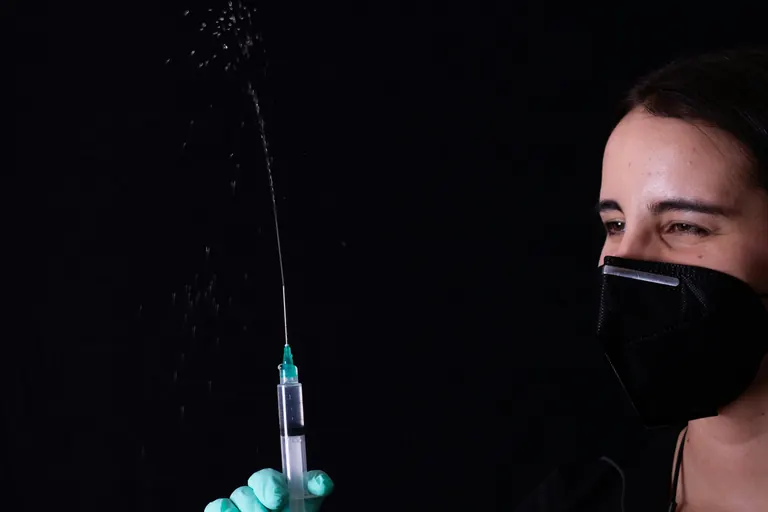
Botox (OnabotulinumtoxinA): Botox is a purified neuromodulator derived from Clostridium botulinum. It temporarily relaxes targeted facial muscles responsible for dynamic wrinkles such as forehead lines, glabellar lines, and crow’s feet. FDA‑approved for cosmetic use in 2002, Botox is one of the most researched and clinically proven aesthetic treatments worldwide.
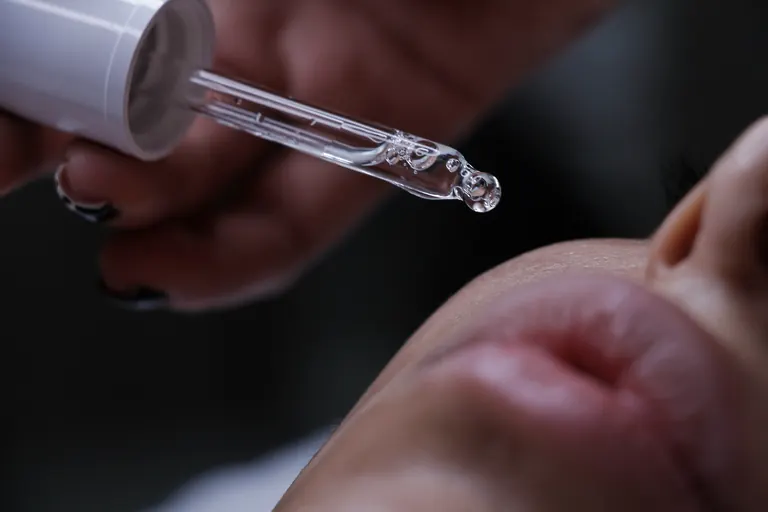
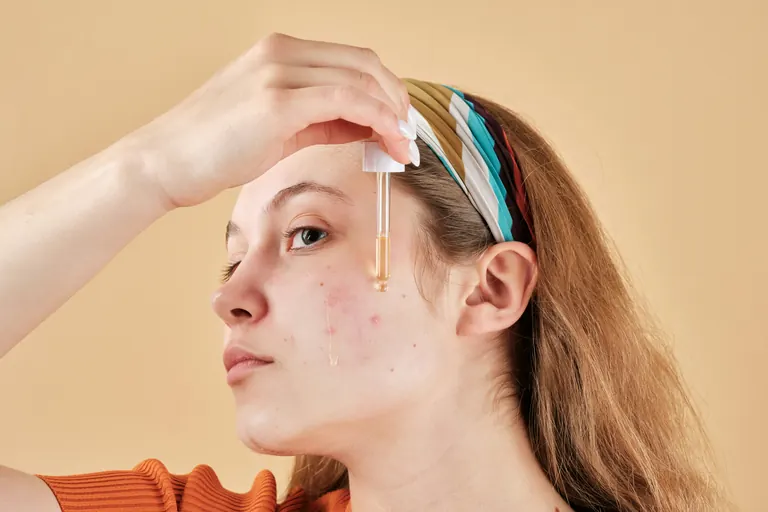
Retinol: Retinol is a vitamin A derivative used in topical skincare. It is converted in the skin into retinoic acid, which increases cell turnover, stimulates collagen production, and improves skin texture and pigmentation. Retinol is available over the counter, while stronger retinoids (such as tretinoin) require a prescription.
1.2 Mechanism of Action
- Botox: Blocks acetylcholine release at the neuromuscular junction, preventing muscle contraction. This reduces repetitive facial movements that cause wrinkles and allows the skin above to smooth.
- Retinol: Accelerates skin cell turnover, boosts collagen synthesis, normalizes keratinization, and reduces pigment irregularities over time.
1.3 Medical vs. Skincare Classification
- Botox: Prescription‑only injectable administered by trained medical professionals.
- Retinol: Topical skincare ingredient used daily as part of a routine.
2. The core differences
2.A Purpose and Treatment Focus
- Botox: Targets dynamic wrinkles caused by muscle movement. It does not repair skin damage or improve texture.
- Retinol: Targets skin quality issues such as fine lines, uneven texture, pigmentation, acne, and early collagen loss, but cannot stop muscle‑driven wrinkles.
2.B Areas of Impact
| Concern | Botox | Retinol |
|---|---|---|
| Forehead Lines | ✔ Highly effective | ⚠ Limited |
| Crow’s Feet | ✔ Gold standard | ⚠ Minimal |
| Fine Lines | ⚠ Some effect | ✔ Strong |
| Pigmentation | ✖ | ✔ Strong |
| Acne | ✖ | ✔ Strong |
| Prevention | ✔ Muscle‑related | ✔ Cellular‑level |
2.C Speed of Results
- Botox: Results appear in 3–5 days, peak at 10–14 days.
- Retinol: Results appear gradually over 8–12 weeks with consistent use.
2.D Duration of Results
- Botox: Lasts 3–4 months per treatment.
- Retinol: Benefits persist only with continuous long‑term use.
3. What results to realistically expect
3.A Wrinkle Reduction
- Botox: Highly effective for expression‑related wrinkles and prevention of wrinkle deepening.
- Retinol: Improves fine static lines but cannot stop wrinkles caused by facial movement.
3.B Skin Texture & Tone
- Botox: Minimal effect on pores, pigmentation, or surface texture.
- Retinol: Improves smoothness, pore appearance, pigmentation, and overall skin clarity.
3.C Long‑Term Anti‑Aging Benefits
- Botox: Prevents muscle‑driven aging when used consistently.
- Retinol: Stimulates collagen and slows intrinsic and photoaging at the cellular level.
4. Cost, and what drives it
4.A Average Cost
- Botox: $300–$700 per session depending on areas treated.
- Retinol: $20–$150 per product; prescription retinoids may cost more.
4.B Maintenance Requirements
- Botox: Every 3–4 months.
- Retinol: Nightly or regular long‑term use.
4.C Long‑Term Value
- Botox offers immediate, targeted results.
- Retinol offers cumulative, preventative skin benefits.
5. Safety and what can go wrong
5.A Common Side Effects
- Botox: Mild bruising, swelling, headache, temporary muscle weakness.
- Retinol: Dryness, irritation, peeling, redness during the adjustment phase.
5.B Rare Risks
- Botox: Eyelid drooping, asymmetry, frozen appearance if poorly injected.
- Retinol: Skin barrier damage if overused or combined improperly with other actives.
5.C Downtime Comparison
- Botox: Minimal to none.
- Retinol: No downtime, but visible irritation may occur initially.
6. Ideal Candidates: Who Should Choose Which?
Botox Is Best For:
- Patients with visible dynamic wrinkles.
- Individuals seeking fast, predictable results.
- Those interested in wrinkle prevention from facial movement.
Retinol Is Best For:
- Individuals of all ages focused on long‑term skin health.
- Patients with acne, pigmentation, fine lines, or uneven texture.
- Those willing to commit to consistent skincare use.
The Reality
- Retinol cannot replace Botox for muscle‑driven wrinkles.
- Botox cannot replace retinol for skin quality and prevention.
7. Clinical opinion and real experience
7.1 Provider Insights
- Botox: Considered the gold standard for dynamic wrinkle management.
- Retinol: Considered the cornerstone of evidence‑based anti‑aging skincare.
7.2 Patient Feedback
- Botox users love immediate smoothing.
- Retinol users value long‑term improvements in skin clarity and texture.
7.3 Before‑and‑After Expectations
- Botox: Visible wrinkle reduction.
- Retinol: Gradual refinement of skin over months.
8. Combination Strategy: Botox + Retinol
8.1 Can Retinol Replace Botox?
No. Retinol cannot stop facial muscle contraction.
8.2 Can Botox Replace Retinol?
No. Botox does not improve pigmentation, texture, or barrier health.
8.3 Ideal Anti‑Aging Strategy
- Botox for expression‑related wrinkle control.
- Retinol for long‑term skin repair, prevention, and collagen support.
Final Thoughts: Botox vs. Retinol
Botox and retinol are not competitors, they address aging at completely different biological levels. Botox controls muscle movement to prevent and soften wrinkles, while retinol improves skin health, texture, and resilience over time.
If your goal is optimal anti‑aging, the most effective approach is not choosing one over the other, but understanding how to use both strategically.
Always consult a qualified aesthetic provider or dermatologist to create a personalized plan that balances injectables with a scientifically sound skincare routine.

They treat different causes, which is why the comparison misleads
This is usually framed as a contest. It is closer to a category error, and understanding why saves you money.
Retinoids work on skin. Tretinoin and retinol act on skin cells: turnover, collagen production and pigmentation. That makes them the standard treatment for photoaging, the damage from sun exposure, which shows up as fine lines, rough texture and uneven tone.
Tretinoin's position is worth stating precisely, because it is stronger than "retinol is good for you". It is established enough that it serves as the active control when other photoaging treatments are tested: a 2024 randomised controlled trial in Alternative Therapies in Health and Medicine, for instance, allocated 82 subjects with moderate to advanced photoaged facial skin between a test formulation and tretinoin as the standard comparator. Researchers do not use a treatment as the benchmark unless it works.
Botulinum toxin works on muscle. It blocks the signal that makes a muscle contract, so lines produced by repeated expression stop being folded into the skin. The BOTOX Cosmetic label is specific about this: its approved indications are all lines "associated with" named muscle activity, such as corrugator and procerus activity for frown lines.
The practical test. Look at the line with your face completely still. If it is there at rest, it is a skin and sun problem and a retinoid is the appropriate tool. If it only appears when you move, it is a muscle problem and no topical product will reach it. Most faces over forty have both, which is why the honest answer is usually "both, for different lines" rather than one or the other.
Neither substitutes for the other, and a clinic or a brand telling you otherwise is selling. The one practical interaction worth knowing is timing: retinol can leave skin irritated, and irritated skin over fresh injection points is uncomfortable, which is why our aftercare guide suggests leaving about 24 hours.
Frequently asked questions
Can retinol get rid of frown lines?
Not the ones caused by movement. Retinoids act on skin cells: they increase turnover and, over months, collagen production, which improves texture, fine surface lines and pigmentation. The vertical lines between the brows are produced by muscle contraction beneath the skin. No topical product reaches the neuromuscular junction. Retinol improves the skin the line sits in; it does not stop the movement making it.
How long does retinol take to work?
Months, and that is the normal course rather than a slow start. Meaningful change in texture and fine lines is generally assessed over three to six months of consistent use, with an initial period of irritation and peeling as skin adjusts. A neurotoxin shows change within days and is judged at two to four weeks. Comparing them at the same point in time will always flatter one of them unfairly.
Should I use retinol and have Botox?
They are complementary rather than competing, because one treats skin and the other treats muscle. Retinoids are among the very few topical ingredients with decades of clinical evidence behind them, so a routine including one plus sunscreen is a reasonable foundation whether or not you ever have an injection.
Do I need to stop retinol before an appointment?
Ask the clinic treating you, because practice varies and it is their call. The general reason for pausing is that a retinoid can leave skin more reactive, and injections are into skin that may already be irritated. It is a comfort and healing question rather than a safety one for the product itself.
Is prescription tretinoin much better than over-the-counter retinol?
They differ in strength and in how much conversion the skin has to do, and prescription strength generally acts faster and more strongly, with correspondingly more irritation. Neither changes the fundamental point: both act on the skin, and neither addresses a line whose cause is a muscle contracting.
Sources
Every figure on this page was read from the documents below rather than from a clinic or a manufacturer's marketing. They open in a new tab so you can check any claim here against its source.
- BOTOX Cosmetic prescribing information, FDA via DailyMed
- Retinoid or retinol?, American Academy of Dermatology
- Clinical Evaluation of a Topical Polyherbal Formulation in Photodamaged Facial Skin, an open-label trial using tretinoin as the standard control, Alternative Therapies in Health and Medicine, 2024