Botox vs. Thermage: The Comparison Guide
Reviewed for medical accuracy against our Medical Review Board · Last updated 15 August 2026
Part of Botox vs Skin Tightening and Energy Treatments
Everything You Need to Know Before Choosing the Right Anti-Aging Treatment
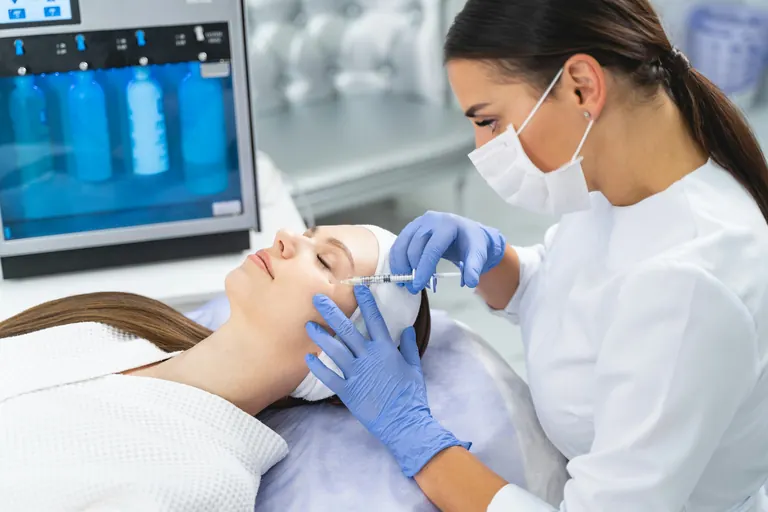
Botox and Thermage are two of the most established non-surgical aesthetic treatments used to address visible signs of aging. While both are popular and effective, they work in fundamentally different ways. Botox targets facial muscles to soften expression-related wrinkles, whereas Thermage uses monopolar radiofrequency energy to tighten skin and stimulate long-term collagen production.
Because they treat different aspects of aging, Botox and Thermage are often compared, and frequently combined. This comprehensive guide explains Botox vs. Thermage in depth so you can clearly understand which treatment is best for your concerns, timeline, and long-term goals.
1. Botox and Thermage: what each one actually is
1.1 Definitions and Origins
Botox (OnabotulinumtoxinA): Botox is a purified neuromodulator derived from Clostridium botulinum. It temporarily relaxes targeted facial muscles that cause dynamic wrinkles such as forehead lines, frown lines, and crow’s feet. FDA-approved for cosmetic use in 2002, Botox is one of the most researched and widely performed aesthetic procedures worldwide.
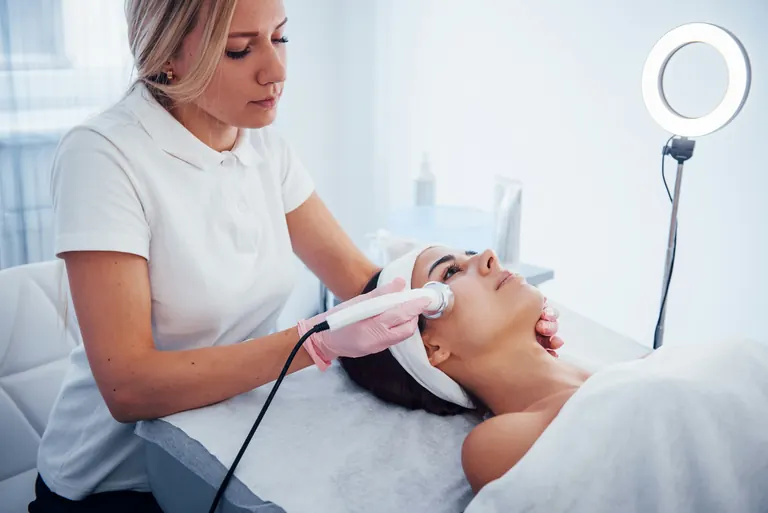
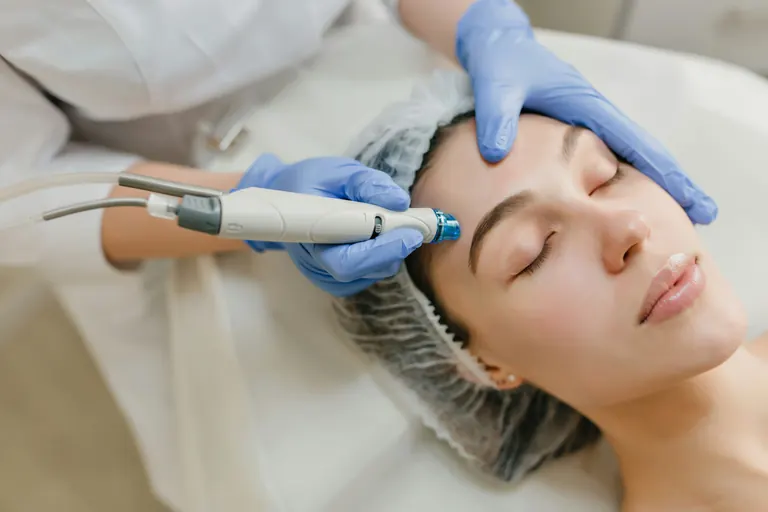
Thermage: Thermage is a non-invasive skin tightening treatment that uses monopolar radiofrequency (RF) energy to heat deep layers of the skin. This controlled heating stimulates collagen contraction and long-term collagen remodeling, leading to firmer, tighter skin over time. Thermage has been FDA-approved for skin tightening since the early 2000s and is considered one of the pioneers in non-surgical skin tightening.
1.2 Mechanism of Action
- Botox: Blocks acetylcholine release at the neuromuscular junction, preventing muscle contraction. This reduces repetitive facial movements that cause wrinkles and helps prevent lines from deepening.
- Thermage: Delivers uniform RF energy deep into the dermis and fibrous septae, causing immediate collagen contraction and stimulating gradual collagen regeneration over several months.
1.3 FDA Status and Clinical Use
- Botox: FDA-approved for cosmetic wrinkle reduction and multiple medical indications, including migraines, excessive sweating, muscle spasticity, and TMJ.
- Thermage: FDA-approved for non-invasive skin tightening of the face, eyes, abdomen, thighs, and arms.
2. The core differences
2.A Purpose and Treatment Focus
- Botox: Specifically targets dynamic wrinkles caused by muscle movement. It does not improve skin laxity, texture, pores, or collagen quality.
- Thermage: Targets skin laxity and collagen loss. It improves firmness, elasticity, and skin thickness but does not affect muscle movement or expression lines.
2.B Common Treatment Areas
| Area | Botox | Thermage |
|---|---|---|
| Forehead Lines | ✔ Highly effective | ⚠ Limited tightening only |
| Crow’s Feet | ✔ Excellent | ⚠ Mild improvement |
| Jawline & Jowls | ✖ | ✔ Tightens and firms |
| Neck | ⚠ Limited | ✔ Improves laxity |
| Eyes | ✔ Brow lift effect | ✔ Tightens eyelids |
| Body (abdomen, thighs) | ✖ | ✔ FDA-approved |
2.C Onset of Results
- Botox: Results appear within 3–5 days, with peak effect at 10–14 days.
- Thermage: Some immediate tightening may be felt, but visible results develop gradually over 2–6 months as collagen regenerates.
2.D Duration of Results
- Botox: Typically lasts 3–4 months.
- Thermage: Results can last 12–24 months depending on age, skin condition, and lifestyle factors.
3. What results to realistically expect
3.A Wrinkle Reduction
- Botox: Gold standard for treating expression-related wrinkles. Prevents wrinkle progression when used consistently.
- Thermage: Not designed for dynamic wrinkles. May slightly improve fine static lines by tightening the skin.
3.B Skin Tightening & Firmness
- Botox: Minimal impact on skin firmness or laxity.
- Thermage: Significantly improves skin tightness, elasticity, and contour, particularly in the jawline, neck, and lower face.
3.C Long-Term Skin Health
- Botox: Prevents muscle-driven aging but does not rebuild collagen.
- Thermage: Stimulates long-term collagen production, improving skin structure and resilience over time.
4. Cost, and what drives it
4.A Average Cost Per Treatment
- Botox: $300–$700 depending on number of units and areas treated.
- Thermage: $1,500–$4,500 depending on treatment area (eyes, face, full face + neck, or body).
4.B Maintenance Frequency
- Botox: Every 3–4 months for consistent wrinkle control.
- Thermage: Typically once every 12–24 months; some patients opt for annual maintenance.
4.C Long-Term Cost Considerations
- Botox has lower upfront cost but requires ongoing sessions.
- Thermage has higher upfront cost but longer-lasting collagen benefits.
5. Safety and what can go wrong
5.A Common Side Effects
- Botox: Mild bruising, swelling, redness, headache, or temporary muscle weakness.
- Thermage: Temporary redness, swelling, tingling, or soreness. Sensation of heat during treatment is common.
5.B Rare Risks
- Botox: Eyelid drooping, asymmetry, or frozen appearance if improperly injected.
- Thermage: Rare burns, fat atrophy, or nerve sensitivity if energy settings are incorrect.
5.C Downtime Comparison
- Botox: Little to no downtime.
- Thermage: Minimal downtime; most patients return to normal activities immediately.
6. Ideal Candidates: Who Should Choose Which?
Botox Is Best For:
- Patients with dynamic wrinkles.
- Individuals seeking quick, predictable results.
- Those interested in preventative aging in their 20s–40s.
Thermage Is Best For:
- Patients with mild to moderate skin laxity.
- Individuals noticing sagging in the jawline, neck, or eyelids.
- Patients wanting non-invasive skin tightening with long-lasting results.
Consider Combining Both
- Botox relaxes facial muscles.
- Thermage tightens and firms the skin.
- Together, they address both muscle-based and structural aging.
7. Clinical opinion and real experience
7.1 Provider Insights
- Botox: Remains the most reliable treatment for dynamic wrinkles.
- Thermage: Considered a gold-standard non-surgical skin tightening treatment when performed correctly.
7.2 Patient Feedback
- Botox patients appreciate fast results and minimal downtime.
- Thermage patients value gradual, natural-looking tightening without injections.
7.3 Before-and-After Results
- Botox: Smoother forehead, softened crow’s feet, lifted brows.
- Thermage: Firmer jawline, tighter neck, improved skin texture.
8. Combination Treatments
8.1 Can You Combine Botox and Thermage?
Yes. They work on different layers of aging and complement each other exceptionally well.
8.2 Recommended Treatment Sequence
- Thermage first to stimulate collagen remodeling.
- Botox 1–2 weeks later to refine dynamic wrinkles.
8.3 Maintenance Strategy
- Botox every 3–4 months.
- Thermage every 12–24 months depending on skin aging rate.
Final Thoughts: Botox vs. Thermage
Botox and Thermage are not competing treatments, they address different causes of facial aging. Botox smooths expression-related wrinkles quickly, while Thermage tightens and firms skin by rebuilding collagen over time.
Choosing the right option depends on whether your primary concern is wrinkles, sagging, or both. For many patients, combining Botox and Thermage delivers the most comprehensive, natural-looking rejuvenation without surgery.
Always consult a qualified aesthetic provider to design a personalized treatment plan tailored to your skin condition, goals, and lifestyle.

Frequently asked questions
Is Thermage a one-off treatment?
That is its main selling point and the biggest structural difference from Botox. Thermage is positioned as a single session whose effect builds as the tissue responds over months, where a neurotoxin is a short-lived treatment repeated on a schedule. Whether one session is enough for you is a judgement about your skin laxity that should be made before you pay, not after.
Does Thermage do anything for frown lines?
Not the ones Botox treats. Radiofrequency tightening works by heating the deeper layers of skin to provoke collagen contraction and remodelling, which addresses laxity and definition. The vertical lines between the brows are produced by muscle. Skin tightening will not stop a muscle contracting, and a muscle relaxant will not tighten loose skin.
Which is better for jowls and a softening jawline?
That is squarely a laxity question rather than a movement question, so it belongs to the tightening side rather than to Botox. What is worth knowing is that skin tightening has limits: where volume has been lost rather than skin loosened, the answer is neither treatment. A consultation that examines what is actually happening in your lower face is worth more than a brochure comparison.
How long does Thermage take to show results?
Months rather than weeks, because the effect depends on your own collagen remodelling rather than on the device doing something visible on the day. That is the opposite of a neurotoxin, which is assessed at two to four weeks and then fades. Judging a tightening treatment on a neurotoxin timeline is the most common reason people conclude it did not work.
Is it painful?
It involves heat delivered into the skin, and the sensation is usually described as intermittent heating that is tolerable but distinctly noticeable, quite unlike the brief sting of a few fine injections. Devices have cooling built in for that reason. Ask what your provider does for comfort and how long the session runs, since a full face is not a five-minute appointment.
Sources
Every figure on this page was read from the documents below rather than from a clinic or a manufacturer's marketing. They open in a new tab so you can check any claim here against its source.
- BOTOX Cosmetic prescribing information, FDA via DailyMed
- Botulinum toxin treatment overview, American Academy of Dermatology