The Ultimate Pre-Botox Guide
Reviewed for medical accuracy against our Medical Review Board · Last updated 15 August 2026
Part of Botox Guides: Basics, Dosing and Safety
Medically Reviewed by a Board-Certified Dermatologist
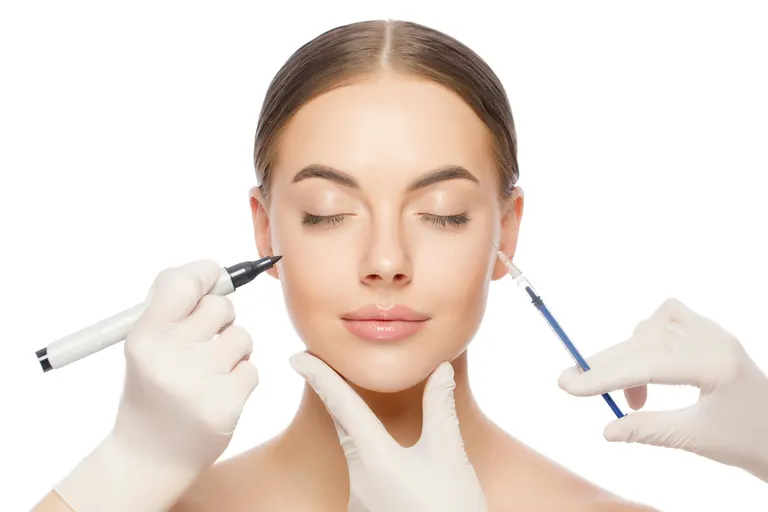
Below is a comprehensive word guide on how to prepare for Botox treatments, structured similarly to the previous aftercare article but focused on pre-treatment do’s and don’ts. We’ll cover everything from understanding how Botox works to timing your appointment, avoiding certain medications or activities, and clarifying key questions, like whether you can get Botox while pregnant or breastfeeding. By the end of this guide, you’ll be fully equipped to walk into your appointment feeling confident and informed.
1. Introduction: Why Pre-Botox Prep Matters
Botox injections are among the most popular cosmetic treatments worldwide, prized for their minimal invasiveness, quick procedure time, and noticeable results in reducing fine lines and wrinkles. Yet, while many people focus on post-injection care, pre-treatment preparations can be equally crucial.
Why Pre-Botox Preparation Is Important:
- Optimizes Results: Taking certain steps in the days and weeks leading up to your appointment can help ensure that the Botox is as effective as possible.
- Minimizes Side Effects: By avoiding specific medications or habits that increase bruising, you can reduce your chances of unwanted complications.
- Boosts Confidence and Comfort: Walking into your appointment with knowledge about the process helps alleviate anxiety and sets realistic expectations.
Just like planning for an important event, such as a wedding or a professional exam, preparation can significantly enhance your overall experience and outcome. This guide aims to give you every tool you need to head into your Botox appointment well-prepared.
2. Brief Overview: How Botox Works
Appreciating why pre-treatment guidelines exist helps to understand the mechanism of Botox. Botox is a purified form of botulinum toxin that:
- Blocks Nerve Signals: When injected into a muscle, Botox prevents the release of acetylcholine, a neurotransmitter that triggers muscle contractions.
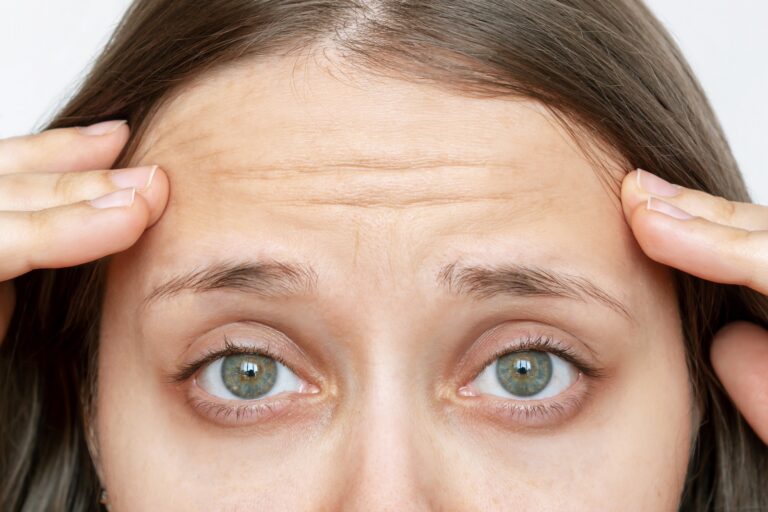
- Relaxes Target Muscles: With reduced muscle activity in areas like the forehead or around the eyes, dynamic wrinkles (those caused by repeated facial expressions) become less prominent.
- Temporary Effect: The nerve endings eventually recover, returning muscle function to normal within 3–4 months for most individuals.
Why This Impacts Pre-Treatment Prep
- Because Botox’s efficacy relies on its precise injection site and muscle uptake, anything that might thin the blood, cause swelling, or irritate the skin before your appointment can affect the injections or lead to unwanted bruising.
- Certain health conditions or medications can interact with the injection process, so knowing your health background and discussing it with your provider ensures you’re a suitable candidate.
3. Setting Realistic Expectations and Goals
Before diving into logistical details, it’s important to establish what you hope to achieve with Botox.
- Identify Your Target Areas: Is it crow’s feet, forehead lines, or frown lines between your eyebrows (“11 lines”)? Knowing this helps you communicate effectively with your injector.
- Understand the Limitations: Botox won’t address deep static wrinkles, significant volume loss, or skin texture issues on its own. For these concerns, you might need additional treatments like dermal fillers, laser therapy, or chemical peels.
- Consultation Is Key: Book a consultation to discuss your goals, medical history, and any concerns. During this step, you’ll also learn how many units you might need, potential costs, and any specialized pre-appointment instructions.
Check the Botox average price by states
4. Two Weeks Before Your Appointment
This is when you should start making mindful lifestyle adjustments and planning to ensure a seamless treatment day.
4.1 Start Monitoring Medications and Supplements
- Blood Thinners: Common ones include aspirin, ibuprofen, certain prescription anticoagulants, fish oil, vitamin E, and garlic supplements. These can increase bruising at injection sites.
- Steroids and Muscle Relaxants: In some cases, these may interact with Botox, so it’s important to discuss your full medication list with your provider.
- Plan with Your Healthcare Provider: Never stop a prescribed medication on your own. Your dermatologist or injector might coordinate with your general physician to temporarily pause or adjust dosages if medically safe.
4.2 Plan Around Important Events
- Major Life Occasions: Weddings, reunions, photoshoots, or big presentations might mean you want peak Botox results by a specific date. Schedule your session to allow 2 weeks before the event, this gives the treatment time to settle and any bruising to fade.
- Travel Plans: If you’re flying soon after your Botox, it’s usually safe, but ensure you’re not scheduling your appointment immediately before a long trip. You want at least 24–48 hours to rest and monitor for any unexpected reactions.
4.3 Skin Care and Lifestyle Adjustments
- Exfoliation: If you’re using retinoids, acids, or peels, consider scaling back intense skincare routines that might cause sensitivity or irritation before injections.
- Sun Protection: Avoid getting sunburned near your appointment. Sunburnt skin can be more reactive and inflamed, complicating the injection process and possibly heightening discomfort.
5. One Week Before: The Critical Window
At about one week out, it’s time to refine your regimen further.
5.1 Alcohol, Diet, and Hydration
- Avoid Alcohol: If possible, refrain from alcohol for 3–7 days pre-treatment. Alcohol thins your blood, increasing the chance of bruising.
- Stay Hydrated: Good hydration supports overall skin health, making it more resilient and aiding in the healing process post-injection.
- Balanced Diet: Nutrient-rich foods containing antioxidants (berries, leafy greens, nuts) may help support skin integrity.
5.2 Avoiding Sunburn or Irritation
- No Tanning Beds: The intense UV exposure can irritate the skin, leading to redness or peeling.
- Limited Sun Exposure: If you must be outdoors, wear broad-spectrum sunscreen (SPF 30 or higher), hats, and sunglasses. Sun damage near the appointment date can make your skin more sensitive.
5.3 Communication with Your Provider
- Medical History: Double-check that your provider is aware of any new medical conditions, rashes, or recent illnesses.
- Concerns and Questions: Address them early, so you feel fully confident going into your appointment.
6. Day Before and Day of Treatment
6.1 Final Preparations
- Medication Check: If you’re advised to pause certain over-the-counter supplements or pain relievers, make sure you follow through.
- Shaving or Waxing: If the injection area has hair (rare for facial injections, but more common on men’s foreheads or for areas like the jawline), avoid waxing or using any harsh hair-removal method right before treatment. This can irritate the skin.
6.2 Morning-of Tips
- Face Washing: Use a gentle cleanser. Skip heavy exfoliants or abrasive scrubs.
- No Heavy Makeup: While you can wear light makeup, you’ll likely have to remove it before injections, so you may want to arrive makeup-free for convenience.
- Arrive Early: Give yourself plenty of time to fill out or review paperwork, ask last-minute questions, and mentally prepare.
7. Common Pre-Botox Questions (FAQs)
Below is an in-depth FAQ addressing questions about getting Botox under various health and lifestyle circumstances, plus other pre-treatment considerations.
7.1 Can You Get Botox While Pregnant?
- Short Answer: Most practitioners advise against Botox during pregnancy.
- Why: There is limited research on Botox’s effects on pregnant individuals. While there’s no definitive proof of harm, the absence of conclusive safety data means caution is best.
- Recommendation: If you’re pregnant or planning to become pregnant soon, it’s generally wise to postpone Botox until after delivery, and often after breastfeeding as well.
7.2 Can You Be Allergic to Botox?
- Short Answer: True Botox allergies are rare but possible.
- Symptoms: If you’re allergic, you might experience itching, rash, swelling, or more severe reactions like trouble breathing.
- Preventative Measures: Disclose any known allergies to your injector, especially if you’ve had allergic reactions to botulinum toxin or its additives in the past. A small test dose or patch test may be considered if there’s significant concern.
7.3 Can You Get Botox While Breastfeeding or Nursing?
- Short Answer: Similar to pregnancy, caution is advised as there’s limited research.
- Professional Stance: Many providers recommend waiting until you have stopped breastfeeding to avoid any hypothetical risk, even though the chances of Botox entering breast milk are believed to be very low.
- Discuss with Your Provider: If you want Botox while nursing, have an in-depth conversation about risk vs. benefit.
7.4 What If You’re on Blood Thinners?
- Short Answer: You may still get Botox, but proceed with caution.
- Details: People on medications like warfarin or prescription anticoagulants are more prone to bruising and bleeding at injection sites.
- Tip: Always let your injector know about all medications and supplements you’re taking. They’ll decide if any adjustments or precautions are necessary.
7.5 Can You Have Alcohol Before Botox?
- Short Answer: Ideally, no, avoid alcohol for at least 24 hours, preferably 3–7 days before.
- Why: Alcohol thins the blood, increasing bruising risk. It can also lead to facial flushing and might complicate your results if consumed immediately before or after injections.
7.6 Can You Have Other Cosmetic Treatments First?
- Short Answer: It depends on the treatment.
- Potential Conflict: Aggressive lasers, deep chemical peels, or microdermabrasion can irritate the skin near the injection site.
- Recommendation: If you want multiple procedures, schedule a consultation to map out the ideal order. Often, providers will suggest doing Botox either before or after a waiting period if you’ve had something else done recently.
7.7 What If You’re Feeling Sick Before the Appointment?
- Short Answer: Reschedule if you have a fever or a viral infection.
- Why: Being ill can heighten sensitivity, prolong recovery, and increase the risk of complications. Plus, your immune system might be distracted, potentially affecting how your body responds to the injections.
- Communication: Call your provider to discuss if a mild cold or allergy symptoms are present. They’ll advise whether to proceed or postpone.
7.8 Should You Stop Certain Skincare Products?
- Short Answer: Possibly scale down retinoids, strong acids (AHA/BHA), or harsh exfoliants a few days before.
- Reason: Over-exfoliated or sensitive skin can become more irritated by injection. However, basic cleansing and moisturizing routines are usually fine.
- Check with Your Injector: Each person’s tolerance differs, so ask if your typical skincare regimen requires any pause.
8. Essential Tips: Preparing for the Best Possible Outcome
Below are additional do’s and don’ts beyond the general timeline to help maximize your Botox experience.
8.1 Avoiding Blood-Thinning Medications
- Importance: Blood thinners raise bruising risks.
- Common Culprits: Aspirin, NSAIDs like ibuprofen, fish oil, vitamin E, ginkgo biloba, and alcohol.
- Practical Steps:
- If possible, discontinue non-essential supplements at least 1 week before (with provider approval).
- Use acetaminophen (Tylenol) instead of ibuprofen for pain relief.
8.2 Maintaining a Healthy Lifestyle
- Hydration: Helps keep skin supple and may aid in faster recovery.
- Good Nutrition: Antioxidant-rich foods support skin health.
- Stress Management: High stress can interfere with healing and immune function. Techniques like gentle yoga or meditation might help.
8.3 Balancing Stress and Sleep
- Sleep Quality: Aim for 7–9 hours nightly. Good rest can improve skin regeneration and overall health.
- Avoid Overexertion: If you’re someone who loves intense workouts, consider lowering the intensity in the day or two before your treatment to reduce inflammation and potential bruising.
9. Psychological and Emotional Considerations
Getting Botox for the first time or switching to a new injector can feel intimidating. Addressing the emotional side of the process is crucial.
9.1 Body Image and Motivation
- Self-Reflection: Understand your reasons for seeking Botox, whether it’s to enhance self-confidence, soften signs of aging, or prevent wrinkles.
- Healthy Attitude: Botox should be about feeling better in your skin, not chasing perfection or succumbing to external pressures.
9.2 Communicating Expectations with Your Provider
- Honesty: Be upfront about your desired look, whether you want a subtle refresh or a more dramatic improvement.
- Listening to Professional Advice: A skilled injector will guide you on realistic outcomes, recommended units, and potential alternative treatments for deeper lines or volume loss.
10. On the Day of Your Botox Appointment
When appointment day finally arrives, it’s natural to feel both excited and slightly anxious. Here’s how to make the most of it.
10.1 Arriving Prepared
- Documents: Bring any medical records, photos, or medication lists if requested.
- Minimal Makeup: As mentioned, you might have to remove it, so consider going in with a clean face.
- Comfortable Clothing: Wear clothing that doesn’t constrict your neck or face area, especially if you’re treating regions like the forehead, jawline, or neck.
10.2 Final Questions to Ask
- How Many Units Are Being Used?: This helps you budget for future treatments and compare if you visit a different injector later.
- Expected Downtime: While Botox typically has none to minimal downtime, individual circumstances (like your tendency to bruise) might alter that.
- Aftercare: Though you may have read up extensively, confirm any final specifics (e.g., avoiding heavy exercise for 24 hours).
10.3 Potential Paperwork and Consent Forms
- Informed Consent: You’ll likely sign documents acknowledging you understand the risks, benefits, and alternatives.
- Pre-Treatment Photos: Many clinics take “before” photos to track your progress. If you’re uncomfortable with photos, discuss privacy concerns.
11. Myths and Misconceptions About Pre-Botox Prep
- Myth: “I don’t need to prep; Botox is simple.”
- Truth: While relatively straightforward, smart preparation can reduce bruising, enhance comfort, and optimize final results.
- Myth: “I have to drastically change my lifestyle for weeks beforehand.”
- Truth: Small tweaks, like limiting alcohol and certain supplements, are often enough unless you have a specific medical condition requiring more caution.
- Myth: “If I have allergies, I’ll react badly to Botox.”
- Truth: True Botox allergies are rare. Disclose your allergies to your injector; they can perform a small patch test if there’s genuine concern.
- Myth: “I can’t get Botox if I’m on any medication.”
- Truth: Many medications are fine; only certain blood thinners or muscle-affecting drugs pose concerns. Always consult your provider for personalized guidance.
- Myth: “Botox is for older individuals only.”
- Truth: People in their mid-to-late 20s and 30s sometimes use Botox for preventative measures, limiting how deep wrinkles form over time.
12. Who should not have Botox, and who needs a conversation first
Everything above assumes you are a candidate. This section covers the cases where the answer is no, or not without a discussion, and it is drawn from the contraindications and warnings rather than from clinic policy.
The two absolute contraindications
Section 4 of the label lists exactly two:
- Known hypersensitivity to any botulinum toxin preparation, or to any component of the formulation. Read the breadth of that. A reaction to one brand rules out the class, not just that brand.
- Infection at the proposed injection site. This is site-specific and temporary. An infected spot means postponing, not being ruled out permanently.
Conditions that require a real conversation
These are not automatic refusals. The label asks that these patients be monitored, which means your injector needs to know before rather than after.
- Neuromuscular junction disorders, naming myasthenia gravis and Lambert-Eaton syndrome. The drug works at the neuromuscular junction, so a condition that already impairs it can have its effects exaggerated.
- Peripheral motor neuropathic diseases and amyotrophic lateral sclerosis, for the same reason.
- Compromised respiratory function, or existing swallowing difficulty. The label warns that treatment can cause swallowing or breathing difficulty and that people who already have either may be more susceptible.
- Pre-existing cardiovascular disease, where the label asks for caution.
Pregnancy and breastfeeding
Covered in section 7 as a question, and worth stating here as evidence. There are no studies or adequate postmarketing data on developmental risk in pregnant women. In animal studies, dosing during pregnancy produced adverse effects on fetal growth, specifically decreased fetal body weight and skeletal ossification, at clinically relevant doses, alongside maternal toxicity. For breastfeeding there are no data at all on whether the drug is present in human milk, on effects on the infant, or on milk production.
No regulator has said this is unsafe in pregnancy. They have said nobody knows, which for an elective cosmetic treatment is usually reason enough to wait.
What this means practically
Tell your injector about any neuromuscular diagnosis, any swallowing or breathing problem, any previous reaction to a toxin of any brand, and any pregnancy or breastfeeding, without waiting to be asked. A provider who takes no history at all is the more serious problem, and our guide to checking a provider treats that as a red flag for exactly this reason.
13. Caffeine, and timing around dental work
Two questions this guide is asked constantly and most pre-treatment advice skips. Neither is mentioned in any botulinum toxin label, so what follows is reasoning rather than instruction, and it is labelled as such.
Caffeine before Botox
The common advice is to skip coffee on the morning of treatment, on the grounds that caffeine raises blood pressure and widens vessels, and therefore increases bruising. The mechanism is plausible. The evidence is not there: no prescribing information mentions caffeine, and there is no trial showing a bruising difference between people who had a coffee and people who did not.
Compare that with the blood thinners covered earlier in this guide. Aspirin and ibuprofen have a documented effect on platelet function, which is why that advice is worth following and this one is optional. If you bruise easily and want to skip your morning coffee as cheap insurance, that is a reasonable personal call. It is not a rule, and a clinic presenting it as one is overstating what is known.
The one practical caution is unrelated to bruising: if caffeine makes you jittery, sitting still for a series of precise injections is harder, and staying still genuinely does matter.
Botox and dental work
No label sets a waiting period in either direction, so the considerations are practical.
- Dental work first, then Botox, if you have the choice. A dental appointment holds your jaw open for a long stretch and involves injections and swelling around the lower face. Doing that in the days after lower face or masseter treatment makes it harder for you and your dentist to tell what caused what.
- If you have just had Botox, tell your dentist which areas were treated. This matters most for masseter and jawline work, because that treatment deliberately weakens the muscle you chew with, and it changes what your bite feels like for a few weeks.
- Tell your injector about upcoming dental surgery for the same reason in reverse. Extraction or implant work with facial swelling in the fortnight after treatment will make your result hard to read at the point you are supposed to be assessing it.
- Infection is the one hard rule here. The label contraindicates injection at a site where there is an infection. An active dental abscess is a reason to postpone rather than to proceed.
Routine cleanings are not something to plan around. This is about surgery, extractions and lower face treatment landing in the same fortnight.
14. Conclusion: Setting Yourself Up for Success
Pre-Botox preparations can spell the difference between an average experience and a fantastic one. By making simple lifestyle adjustments (avoiding blood thinners, limiting alcohol, protecting your skin from the sun), communicating openly with your provider, and understanding the procedure’s limits and benefits, you lay the groundwork for a smooth appointment and optimal results.
Key Takeaways:
- Start Early: Begin adjusting your routine (medications, alcohol consumption, skincare) 1–2 weeks in advance.
- Stay Informed: Use consultations and ask questions. Knowledge is your best tool for ensuring a satisfying Botox treatment.
- Trust the Process: Botox is an FDA-approved, well-studied cosmetic procedure. With proper prep, you can minimize side effects like bruising and maximize the benefits of smoother, more youthful-looking skin.
15. Disclaimer and Final Notes
- Not a Substitute for Medical Advice: While this guide offers a detailed roadmap, always follow the personalized instructions of your healthcare provider or licensed aesthetic practitioner.
- Individual Variations: Each person’s skin type, medical history, and goals differ. Your injector may modify these guidelines based on your unique situation.
- References and Further Reading: Check reputable sources like the American Academy of Dermatology (AAD) or American Society of Plastic Surgeons (ASPS) for additional evidence-based information.
Check our full Botox aftercare guide for best results
Final Thought: Pre-treatment planning is about taking proactive steps. By investing a little extra time and consideration before your Botox appointment, you’ll step into the office confident, relaxed, and ready for an experience that meets, or exceeds, your expectations. From there, you can look forward to a smoother, more refreshed appearance in just a matter of days!

Frequently asked questions
How far ahead of an event should I book?
Two to four weeks, and closer to four if it matters. The trials assess results at around four weeks and the class labels describe onset building through the first week, so a treatment three days before an event has not finished doing what it will do. It also leaves no time to correct an asymmetry, which cannot be done inside the three-month retreatment interval.
Should I stop taking anything beforehand?
Ask the clinic treating you rather than following a list from the internet, because this depends on your medical history and on medicines you may be taking for good reason. Never stop a prescribed medication for a cosmetic appointment without asking the doctor who prescribed it. What your injector needs is a complete list, including supplements.
What should I tell my injector that people usually forget?
Three things. Any neuromuscular condition, since the labels flag increased risk in those patients. Every botulinum toxin treatment you have had, from anyone, with dates, because the cumulative dose across all indications is supposed to be considered. And any previous poor result, including what was used and how much.
Can I exercise or drink alcohol before?
Both are commonly discouraged near the appointment, largely on bruising grounds rather than on anything to do with how the product works. The aftercare instructions matter more than the preparation for most people. Ask what your clinic advises and follow theirs, since they are the ones who will manage any bruise.
How do I judge afterwards whether it worked?
Copy the trial method. Photograph yourself at maximum frown before treatment, in the same light and at the same angle, then again at around four weeks. Grade the line yourself and ask your injector to grade it separately. That is close to what the approval trials actually did, and it is far more useful than a relaxed-face photograph.
Should I avoid caffeine before Botox?
It is optional rather than a rule. No prescribing information mentions caffeine and no trial shows a bruising difference. The blood thinner advice elsewhere in this guide rests on a documented effect on platelets; the caffeine advice does not. Skip it if you bruise easily and want cheap insurance.
How long should I wait between Botox and dental work?
No label sets a waiting period. Where you can choose, have the dental work first, because a long appointment with the jaw held open and swelling in the lower face makes a fresh result hard to read. Tell each provider about the other, particularly for masseter treatment. An active dental infection is a reason to postpone, since the label contraindicates injecting at an infected site.
Who should not get Botox?
The label lists two absolute contraindications: known hypersensitivity to any botulinum toxin preparation or any component of the formulation, and infection at the injection site. It also asks for monitoring in people with neuromuscular junction disorders such as myasthenia gravis or Lambert-Eaton syndrome, peripheral motor neuropathic diseases, ALS, compromised breathing or swallowing, and pre-existing cardiovascular disease.
Can you have Botox with myasthenia gravis?
It requires a conversation with a doctor who knows your case. The label names myasthenia gravis and Lambert-Eaton syndrome among the neuromuscular junction disorders where individuals should be monitored, because the drug acts at the same junction the condition already affects.
Sources
Every figure on this page was read from the documents below rather than from a clinic or a manufacturer's marketing. They open in a new tab so you can check any claim here against its source.
- BOTOX Cosmetic prescribing information, FDA via DailyMed
- OnabotulinumtoxinA injection, MedlinePlus, US National Library of Medicine
- Botulinum toxin treatment overview, American Academy of Dermatology