Botox vs. RF Microneedling: The Comparison Guide
Reviewed for medical accuracy against our Medical Review Board · Last updated 15 August 2026
Part of Botox vs Skin Tightening and Energy Treatments
Needles and radiofrequency rebuild collagen. Botox stops movement. Different layers, different problems.
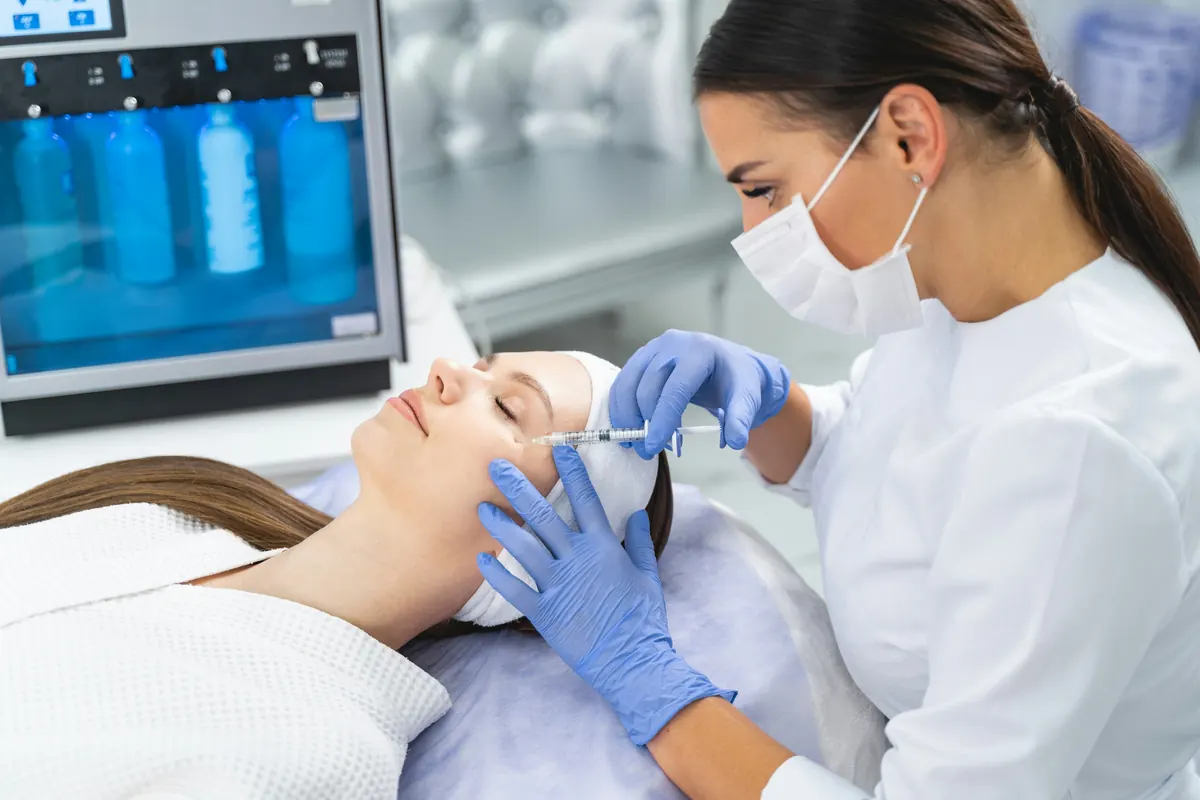
Botox and RF (Radiofrequency) Microneedling are two of the most effective non-surgical treatments in modern aesthetics, but they target aging at very different levels. Botox works by relaxing facial muscles to soften expression-related wrinkles, while RF microneedling combines controlled skin injury with heat energy to stimulate deep collagen remodeling and skin tightening.
Because they address different causes of aging, these treatments are often compared, and frequently combined. This in-depth guide explains Botox vs. RF microneedling in detail so you can decide which option (or combination) best fits your skin concerns, timeline, and long-term goals.
1. Botox and RF Microneedling explained
1.1 Definitions and Origins
Botox (OnabotulinumtoxinA): Botox is a purified neuromodulator derived from Clostridium botulinum. It temporarily relaxes targeted facial muscles responsible for dynamic wrinkles such as forehead lines, frown lines, and crow’s feet. FDA-approved for cosmetic use in 2002, Botox is one of the most researched aesthetic treatments worldwide.
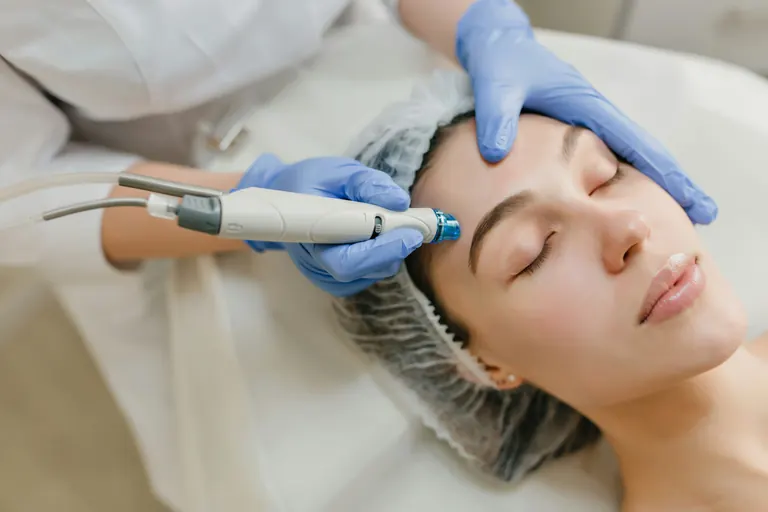
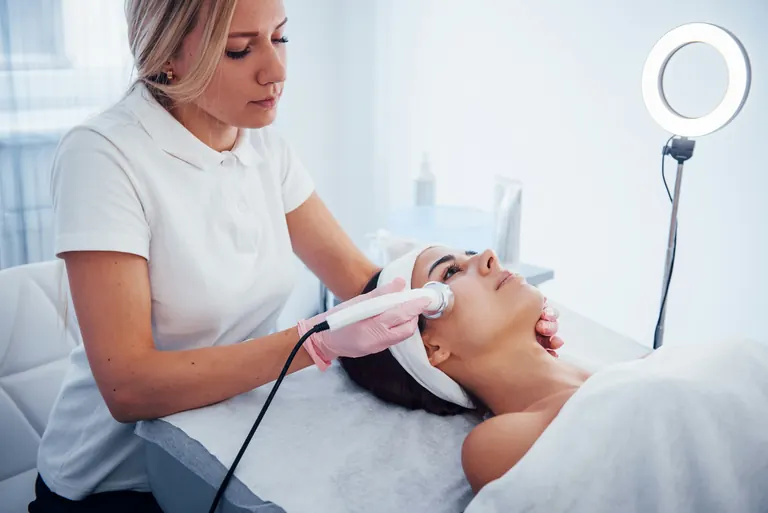
RF Microneedling: RF microneedling is an advanced skin rejuvenation treatment that combines traditional microneedling with radiofrequency energy. Devices such as Morpheus8, Secret RF, Genius, and Vivace deliver RF heat through insulated needles directly into the dermis, triggering collagen contraction and long-term skin tightening.
1.2 Mechanism of Action
- Botox: Blocks acetylcholine release at the neuromuscular junction, preventing muscle contraction. This reduces repetitive motion and smooths wrinkles caused by facial expressions.
- RF Microneedling: Creates micro-injuries while simultaneously delivering controlled heat into deeper skin layers. This stimulates collagen, elastin, and fibroblast activity, resulting in firmer, thicker, and more resilient skin over time.
1.3 FDA Status and Clinical Use
- Botox: FDA-approved for multiple cosmetic and medical indications, including wrinkle reduction, migraines, hyperhidrosis, and muscle disorders.
- RF Microneedling: FDA-cleared devices are approved for skin resurfacing, acne scars, wrinkles, skin tightening, and texture improvement.
2. Botox vs RF Microneedling: the differences that matter
2.A Purpose and Treatment Focus
- Botox: Targets dynamic wrinkles caused by muscle movement. It does not improve skin texture, pores, laxity, or scarring.
- RF Microneedling: Focuses on skin quality and structure, tightening loose skin, improving scars, refining pores, and increasing dermal thickness.
2.B Common Treatment Areas
| Area | Botox | RF Microneedling |
|---|---|---|
| Forehead Lines | ✔ Highly effective | ✔ Improves fine lines & firmness |
| Crow’s Feet | ✔ Excellent | ⚠ Limited (skin quality only) |
| Acne Scars | ✖ Not effective | ✔ One of the most effective treatments |
| Jawline & Jowls | ✖ | ✔ Tightens and contours |
| Neck | ⚠ Limited | ✔ Firms crepey skin |
| Body (knees, arms) | ✖ | ✔ Commonly treated |
2.C Onset of Results
- Botox: Visible improvement within 3–5 days, with peak results at 10–14 days.
- RF Microneedling: Gradual improvement over 4–8 weeks as collagen regenerates; optimal results appear after a series of treatments.
2.D Duration of Results
- Botox: Typically lasts 3–4 months depending on dosage, muscle strength, and metabolism.
- RF Microneedling: Results can last 12–18 months with maintenance, as collagen remodeling is long-lasting.
3. How well each one actually works
3.A Wrinkle Reduction
- Botox: Highly effective for expression-related wrinkles and preventative aging.
- RF Microneedling: Softens fine static wrinkles by thickening and tightening the skin but does not stop muscle movement.
3.B Skin Tightening & Texture
- Botox: Minimal impact on skin laxity or texture.
- RF Microneedling: Significantly improves firmness, pore size, acne scars, stretch marks, and uneven texture.
3.C Long-Term Skin Health
- Botox: Prevents wrinkle formation but does not regenerate collagen.
- RF Microneedling: Actively rebuilds collagen and elastin, improving skin quality long-term.
4. Pricing compared
4.A Average Cost Per Session
- Botox: $300–$700 depending on units and areas treated.
- RF Microneedling: $700–$2,500 per session depending on device, depth, and treatment area.
4.B Maintenance Frequency
- Botox: Every 3–4 months for continuous wrinkle control.
- RF Microneedling: Typically 2–4 sessions initially, then maintenance once per year.
4.C Long-Term Cost Considerations
- Botox requires ongoing treatments.
- RF microneedling has higher upfront cost but longer-lasting structural benefits.
5. How safe is each one
5.A Common Side Effects
- Botox: Mild bruising, swelling, headache, temporary muscle weakness.
- RF Microneedling: Redness, swelling, pinpoint bleeding, warmth, and skin sensitivity for several days.
5.B Rare Risks
- Botox: Eyelid drooping, facial asymmetry, frozen appearance if overdosed.
- RF Microneedling: Post-inflammatory hyperpigmentation, infection, or fat loss if improperly performed.
5.C Downtime Comparison
- Botox: Little to no downtime.
- RF Microneedling: 2–5 days of redness; deeper treatments may require up to a week.
6. Ideal Candidates: Who Should Choose Which?
Botox Is Best For:
- Patients with dynamic wrinkles.
- Those seeking quick, predictable results.
- Individuals interested in wrinkle prevention in their 20s–40s.
RF Microneedling Is Best For:
- Patients with skin laxity, acne scars, enlarged pores, or textural issues.
- Individuals wanting collagen stimulation and tightening without surgery.
- Patients in their 30s–60s looking for long-term skin improvement.
Consider Combining Both
- Botox relaxes muscles.
- RF microneedling rebuilds skin structure.
- Together, they address both causes of visible aging.
7. Expert and patient perspectives
7.1 Provider Insights
- Botox: Gold standard for wrinkle relaxation and prevention.
- RF Microneedling: One of the most powerful non-surgical collagen-stimulating treatments available.
7.2 Patient Feedback
- Botox users value fast, reliable smoothing.
- RF microneedling patients report firmer skin, smaller pores, and improved scars over time.
7.3 Before-and-After Results
- Botox: Smoother forehead and eye area.
- RF Microneedling: Firmer jawline, improved texture, reduced scars and pores.
8. Combination Treatments
8.1 Can You Combine Botox and RF Microneedling?
Yes. They work at different layers and complement each other extremely well.
8.2 Recommended Treatment Sequence
- Botox first to relax muscles.
- RF microneedling 1–2 weeks later to avoid toxin migration.
8.3 Maintenance Strategy
- Botox every 3–4 months.
- RF microneedling annually after initial series.
Final Thoughts: Botox vs. RF Microneedling
Botox and RF microneedling are not competitors, they are complementary tools that address aging from different angles. Botox smooths expression lines quickly, while RF microneedling strengthens and tightens the skin from within.
Choosing the right option depends on your primary concerns, timeline, and long-term goals. For many patients, combining both treatments delivers the most comprehensive, natural-looking rejuvenation without surgery.
Always consult a qualified aesthetic professional to create a personalized treatment plan tailored to your skin and lifestyle.

Frequently asked questions
Does RF microneedling hurt more than Botox?
Almost always, and the difference is not marginal. A neurotoxin treatment is a handful of very fine injections over a couple of minutes, with most people describing a brief sting. RF microneedling drives needles into the skin across a whole treatment area and delivers heat through them, which is why it is normally done under topical anaesthetic and takes far longer. If needle tolerance is your deciding factor, they are not in the same category.
How much downtime does each involve?
Botox has essentially none: you are told to stay upright for a few hours and avoid rubbing the area, and most people return to work immediately. RF microneedling produces visible redness and swelling that typically settles over some days, and the skin can feel like sandpaper while it recovers. Plan around an event accordingly, and ask your provider what their own patients typically look like at 48 hours rather than what the brochure says.
Do they treat the same lines?
No, and this is the cleanest way to choose. RF microneedling remodels the skin itself, so it targets texture, pores, scarring and laxity. Botox stops a muscle contracting, so it targets lines that appear when you move. A crease that vanishes when your face is completely still is a movement line and no amount of skin remodelling will remove it.
How many RF microneedling sessions will I need?
More than one, which is the structural difference from a neurotoxin. Energy-based skin remodelling works by provoking a healing response that accumulates, so it is sold as a course with maintenance afterwards, whereas Botox is a single treatment repeated when it fades. When comparing prices, compare a full course plus maintenance against a year of neurotoxin treatments, not one session against one session.
Can I have both?
They are commonly combined because they address unrelated problems. The practical question is timing rather than compatibility: a neurotoxin needs to be placed into muscle and takes days to take effect, while microneedling leaves the skin inflamed for a period. Most providers separate them by some interval for that reason. Ask what they do and why, and be wary of anyone who has no preference either way.
Sources
Every figure on this page was read from the documents below rather than from a clinic or a manufacturer's marketing. They open in a new tab so you can check any claim here against its source.
- BOTOX Cosmetic prescribing information, FDA via DailyMed
- Botulinum toxin treatment overview, American Academy of Dermatology
- Fractional microneedle radiofrequency for photoaging and atrophic acne scar: a split-face clinical observation, Lasers in Medical Science, 2026