Everything You Need to Know Before Choosing a Wrinkle-Reduction Approach
Botox and Face Yoga represent two very different philosophies in facial rejuvenation. Botox is a medical injectable that relaxes facial muscles to reduce expression-related wrinkles, while Face Yoga is a natural, exercise-based approach that aims to tone facial muscles, improve circulation, and promote relaxation through repetitive movements and massage techniques.
Because one is a medical treatment and the other a lifestyle practice, Botox and Face Yoga are often compared by patients looking for either fast, visible results or a natural, non-invasive alternative. This comprehensive guide breaks down Botox vs. Face Yoga so you can clearly understand what each can—and cannot—do for facial aging.
Table of Contents
- 1. What Are Botox and Face Yoga?
- 2. Key Differences Between Botox and Face Yoga
- 3. Effectiveness & Results
- 4. Cost Comparison: Botox vs. Face Yoga
- 5. Safety & Side Effects
- 6. Ideal Candidates: Who Should Choose Which?
- 7. Expert Opinions & Real-World Experience
- 8. Combination Approach
- Final Thoughts: Botox vs. Face Yoga
1. What Are Botox and Face Yoga?
1.1 Definitions and Origins
Botox (OnabotulinumtoxinA): Botox is a purified neuromodulator derived from Clostridium botulinum. It temporarily relaxes targeted facial muscles responsible for dynamic wrinkles such as forehead lines, frown lines, and crow’s feet. FDA-approved for cosmetic use in 2002, Botox is one of the most extensively studied and widely used aesthetic treatments worldwide.
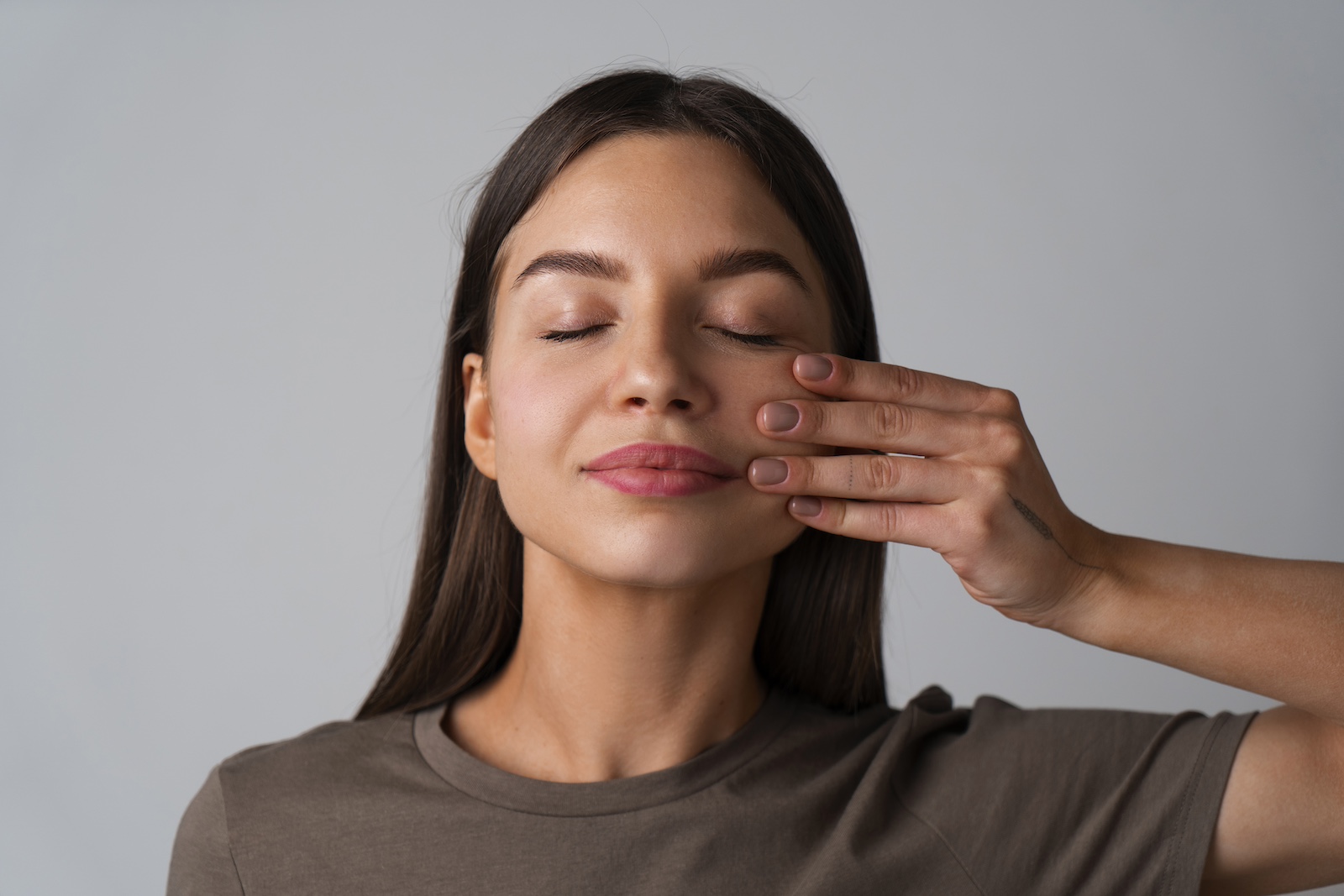
Face Yoga: Face Yoga is a collection of facial exercises, massage techniques, and breathing practices designed to engage facial muscles, increase blood flow, and promote relaxation. It has roots in traditional yoga, physiotherapy, and facial massage practices and is often promoted as a natural method for facial toning and anti-aging.
1.2 Mechanism of Action
- Botox: Blocks acetylcholine release at the neuromuscular junction, preventing muscle contraction. This reduces repetitive facial movements that cause wrinkles and allows the overlying skin to smooth.
- Face Yoga: Encourages repeated contraction and stretching of facial muscles to improve circulation, reduce tension, and increase muscle awareness. Some techniques also focus on lymphatic drainage and stress reduction.
1.3 Medical Status and Clinical Evidence
- Botox: FDA-approved with decades of clinical studies supporting its safety and effectiveness for wrinkle reduction and prevention.
- Face Yoga: Not a medical treatment. Evidence is largely anecdotal or based on small studies showing modest improvements in muscle tone or facial awareness rather than true wrinkle reversal.
2. Key Differences Between Botox and Face Yoga
2.A Purpose and Treatment Focus
- Botox: Targets dynamic wrinkles caused by muscle overactivity. It does not improve skin hydration, texture, or collagen quality.
- Face Yoga: Focuses on muscle engagement and relaxation. It aims to improve facial tone and circulation but does not directly stop wrinkle formation.
2.B Common Areas of Focus
| Area | Botox | Face Yoga |
|---|---|---|
| Forehead Lines | ✔ Highly effective | ⚠ May worsen if overdone |
| Frown Lines | ✔ Gold standard | ⚠ Limited benefit |
| Crow’s Feet | ✔ Effective | ⚠ Minimal impact |
| Jawline | ⚠ Limited | ✔ Muscle awareness only |
| Neck | ⚠ Limited | ✔ Posture and tension relief |
| Facial Tension | ✖ | ✔ Major benefit |
2.C Onset of Results
- Botox: Visible improvement within 3–5 days, with full results at 10–14 days.
- Face Yoga: No immediate results. Changes, if any, require weeks to months of consistent daily practice.
2.D Duration of Results
- Botox: Lasts approximately 3–4 months per treatment.
- Face Yoga: Results are dependent on continuous practice; benefits fade if exercises stop.
3. Effectiveness & Results
3.A Wrinkle Reduction
- Botox: Highly effective for expression-related wrinkles and wrinkle prevention.
- Face Yoga: Cannot reliably reduce established wrinkles; in some cases, repetitive movements may deepen expression lines.
3.B Skin Quality & Circulation
- Botox: Minimal impact on skin texture or glow.
- Face Yoga: May improve circulation, lymphatic drainage, and facial awareness, which can enhance temporary glow and reduce puffiness.
3.C Long-Term Facial Aging
- Botox: Prevents muscle-driven wrinkle progression when used consistently.
- Face Yoga: May help reduce stress-related facial tension but does not prevent structural aging or collagen loss.
4. Cost Comparison: Botox vs. Face Yoga
4.A Cost Structure
- Botox: $300–$700 per session depending on units and areas treated.
- Face Yoga: Free to low cost. Some programs, classes, or apps range from $10–$50 per month.
4.B Time Investment
- Botox: 10–20 minutes per session, repeated every 3–4 months.
- Face Yoga: Requires daily practice (10–30 minutes) for potential benefits.
4.C Long-Term Value
- Botox offers predictable, measurable results.
- Face Yoga offers low financial cost but high time commitment with limited scientific support.
5. Safety & Side Effects
5.A Common Side Effects
- Botox: Mild bruising, swelling, headache, temporary muscle weakness.
- Face Yoga: Generally safe; potential for muscle strain or increased wrinkles if exercises are performed incorrectly.
5.B Rare Risks
- Botox: Eyelid drooping, asymmetry, frozen appearance if improperly injected.
- Face Yoga: No serious medical risks, but excessive facial movement may exacerbate lines.
5.C Downtime Comparison
- Botox: Minimal to none.
- Face Yoga: No downtime.
6. Ideal Candidates: Who Should Choose Which?
Botox Is Best For:
- Patients with visible dynamic wrinkles.
- Those seeking fast, reliable, and noticeable results.
- Individuals interested in wrinkle prevention.
Face Yoga Is Best For:
- Individuals seeking a natural, non-invasive approach.
- People focused on stress reduction and facial awareness.
- Patients with very early signs of aging and realistic expectations.
Consider Combining Both
- Botox reduces muscle overactivity.
- Face Yoga can support relaxation and posture awareness.
- Combination may help maintain results but Face Yoga cannot replace Botox.
7. Expert Opinions & Real-World Experience
7.1 Provider Insights
- Botox: Remains the most effective non-surgical treatment for dynamic wrinkles.
- Face Yoga: Considered a wellness practice rather than a medical anti-aging solution.
7.2 Patient Feedback
- Botox users report visible smoothing and confidence boost.
- Face Yoga practitioners report improved facial awareness and relaxation, with mixed aesthetic results.
7.3 Before-and-After Expectations
- Botox: Clear reduction in wrinkles.
- Face Yoga: Subtle changes at best; results vary widely.
8. Combination Approach
8.1 Can You Do Face Yoga with Botox?
Yes. Gentle facial massage and relaxation techniques can complement Botox, but forceful exercises should be avoided immediately after injections.
8.2 Recommended Approach
- Use Botox for wrinkle control.
- Use Face Yoga for relaxation and mindfulness rather than wrinkle correction.
8.3 Maintenance Strategy
- Botox every 3–4 months.
- Face Yoga as a daily wellness habit.
Final Thoughts: Botox vs. Face Yoga
Botox and Face Yoga are not true competitors. Botox is a medical treatment proven to reduce and prevent dynamic wrinkles, while Face Yoga is a lifestyle practice that may improve relaxation and facial awareness but cannot reliably reverse aging.
Choosing between them depends on your expectations. If you want visible wrinkle reduction, Botox remains the gold standard. If you prefer a natural approach focused on wellness rather than measurable aesthetic change, Face Yoga may be a supportive habit—but not a replacement.
Always consult a qualified aesthetic provider to understand what approach aligns best with your skin, goals, and lifestyle.

Lucas is the founder of BestBotoxClinics.com and a 13-year digital marketing research expert. He leads the team in vetting clinics and creating unbiased guides. His mission is to bring transparency to the aesthetics industry to help patients make confident, safe decisions.