Botox vs. PRP (Vampire Facial): The Comparison Guide
Reviewed for medical accuracy against our Medical Review Board · Last updated 15 August 2026
Part of Botox vs Natural Alternatives and Surgery
Everything You Need to Know Before Choosing the Right Rejuvenation Treatment
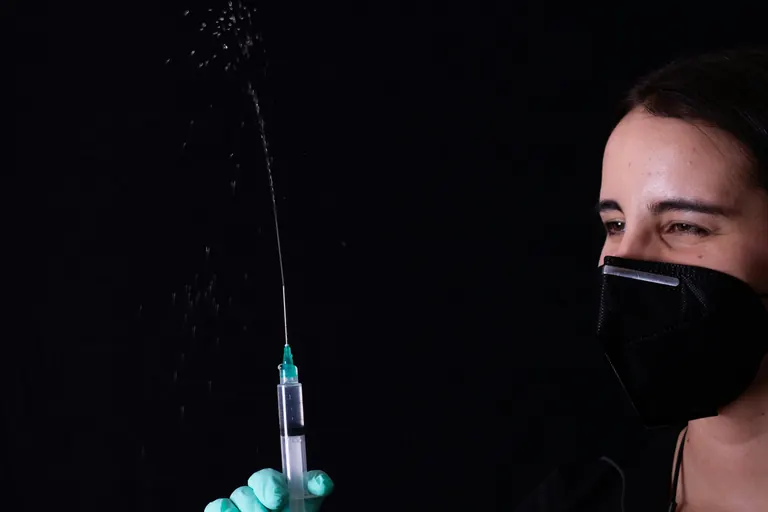
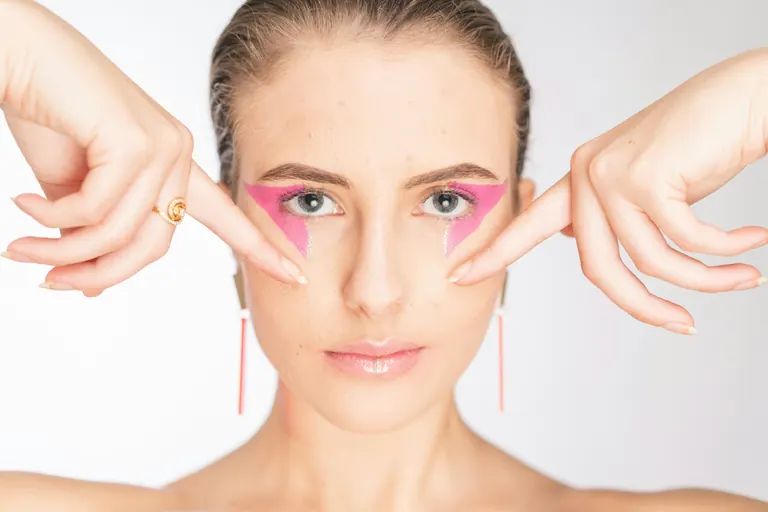
Botox and PRP (Platelet-Rich Plasma), often referred to as the “Vampire Facial,” are two highly popular non-surgical aesthetic treatments, but they work in completely different ways and address aging from different biological pathways. Botox focuses on relaxing facial muscles to reduce expression-related wrinkles, while PRP uses your body’s own growth factors to stimulate skin regeneration, collagen production, and overall skin healing.
Because they target different causes of aging, Botox and PRP are frequently compared, and very often combined. This in-depth guide explores Botox vs. PRP in detail so you can clearly understand which treatment is best for your skin concerns, expectations, and long-term goals.
1. Botox and PRP (Vampire Facial) explained
1.1 Definitions and Origins
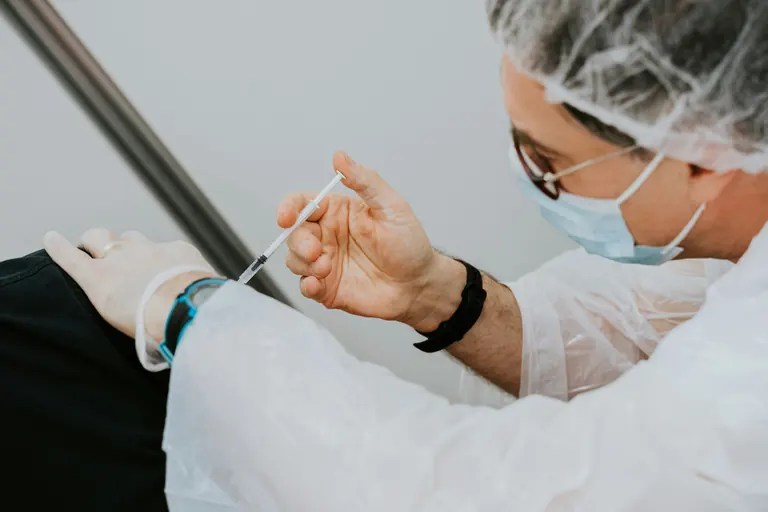
Botox (OnabotulinumtoxinA): Botox is a purified neuromodulator derived from Clostridium botulinum. It temporarily relaxes targeted facial muscles responsible for dynamic wrinkles such as forehead lines, frown lines, and crow’s feet. FDA-approved for cosmetic use in 2002, Botox is one of the most researched and widely used aesthetic treatments worldwide.
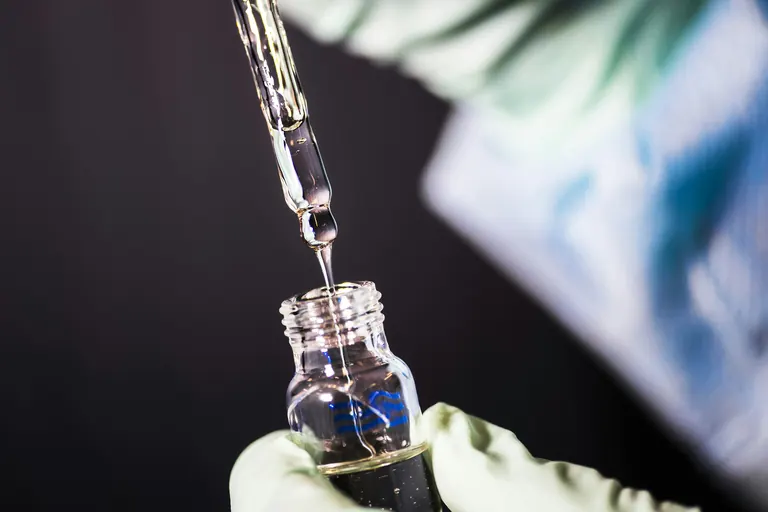
PRP (Platelet-Rich Plasma / Vampire Facial): PRP is an autologous treatment derived from your own blood. After a small blood draw, the sample is centrifuged to concentrate platelets rich in growth factors. These growth factors are then injected or applied to the skin (often combined with microneedling) to stimulate collagen production, tissue repair, and cellular regeneration.
1.2 Mechanism of Action
- Botox: Blocks acetylcholine release at the neuromuscular junction, preventing muscle contraction. This softens expression lines and prevents wrinkles from deepening over time.
- PRP: Delivers concentrated growth factors (PDGF, TGF-β, VEGF) that activate fibroblasts, enhance collagen and elastin synthesis, improve blood flow, and accelerate skin healing.
1.3 FDA Status and Clinical Use
- Botox: FDA-approved for cosmetic wrinkle reduction and multiple medical indications, including migraines, hyperhidrosis, muscle spasticity, and TMJ.
- PRP: Considered a medical procedure using autologous blood. While PRP devices are FDA-cleared, PRP itself is not classified as a drug and is widely used in dermatology, orthopedics, and regenerative medicine.
2. Botox vs PRP: the differences that matter
2.A Purpose and Treatment Focus
- Botox: Targets dynamic wrinkles caused by facial muscle movement. It does not regenerate skin or improve texture.
- PRP: Targets skin quality, healing, and regeneration. It does not affect muscle movement or facial expressions.
2.B Common Treatment Areas
| Area | Botox | PRP (Vampire Facial) |
|---|---|---|
| Forehead Lines | ✔ Highly effective | ⚠ Mild improvement |
| Crow’s Feet | ✔ Excellent | ⚠ Skin quality only |
| Acne Scars | ✖ | ✔ Effective |
| Skin Texture & Glow | ✖ | ✔ Major benefit |
| Under Eyes | ⚠ With expert injector | ✔ Improves dark circles & crepey skin |
| Hair Loss (Scalp) | ✖ | ✔ Common PRP use |
2.C Onset of Results
- Botox: Visible improvement within 3–5 days, with peak effect at 10–14 days.
- PRP: Gradual improvement over 4–8 weeks as collagen and cellular regeneration occur.
2.D Duration of Results
- Botox: Typically lasts 3–4 months.
- PRP: Results can last 6–12 months depending on treatment protocol and individual response.
3. How well each one actually works
3.A Wrinkle Reduction
- Botox: Gold standard for expression-related wrinkles and preventative aging.
- PRP: Softens fine lines by improving skin thickness and elasticity rather than relaxing muscles.
3.B Skin Quality & Regeneration
- Botox: Minimal effect on skin texture, tone, or pigmentation.
- PRP: Improves skin tone, texture, elasticity, hydration, and overall radiance by stimulating natural repair processes.
3.C Long-Term Skin Health
- Botox: Prevents wrinkle formation but does not repair skin damage.
- PRP: Enhances long-term skin health by improving cellular turnover and collagen integrity.
4. Pricing compared
4.A Average Cost Per Treatment
- Botox: $300–$700 depending on units and areas treated.
- PRP (Vampire Facial): $600–$1,500 per session depending on whether microneedling or injections are used.
4.B Maintenance Frequency
- Botox: Every 3–4 months.
- PRP: Typically 2–3 initial sessions, then maintenance every 6–12 months.
4.C Long-Term Cost Considerations
- Botox requires continuous maintenance.
- PRP offers cumulative regenerative benefits with fewer sessions over time.
5. How safe is each one
5.A Common Side Effects
- Botox: Mild bruising, swelling, headache, temporary muscle weakness.
- PRP: Redness, swelling, pinpoint bleeding, mild soreness following injections or microneedling.
5.B Rare Risks
- Botox: Eyelid drooping, asymmetry, frozen appearance if overdosed.
- PRP: Very low risk of allergic reaction since it uses your own blood; infection risk if improperly handled.
5.C Downtime Comparison
- Botox: Minimal to none.
- PRP: 1–3 days of redness; deeper treatments may require up to 5 days.
6. Ideal Candidates: Who Should Choose Which?
Botox Is Best For:
- Patients with dynamic wrinkles.
- Those seeking fast, predictable results.
- Individuals interested in wrinkle prevention.
PRP Is Best For:
- Patients with dull, aging, or damaged skin.
- Individuals with acne scars, fine lines, or dark under-eye circles.
- Patients seeking natural, regenerative treatments.
Consider Combining Both
- Botox relaxes muscles.
- PRP regenerates skin.
- Together, they provide both immediate wrinkle reduction and long-term skin improvement.
7. Expert and patient perspectives
7.1 Provider Insights
- Botox: Remains the first-line treatment for expression-related wrinkles.
- PRP: Highly valued for its regenerative, natural approach to skin rejuvenation.
7.2 Patient Feedback
- Botox patients appreciate quick smoothing with no downtime.
- PRP patients report improved glow, texture, and overall skin health over time.
7.3 Before-and-After Results
- Botox: Smoother forehead and eye area.
- PRP: Brighter skin, refined texture, reduced scars and under-eye darkness.
8. Combination Treatments
8.1 Can You Combine Botox and PRP?
Yes. They work at different layers and complement each other exceptionally well.
8.2 Recommended Treatment Sequence
- Botox first to relax muscles.
- PRP 1–2 weeks later to stimulate skin regeneration.
8.3 Maintenance Strategy
- Botox every 3–4 months.
- PRP once or twice per year after initial series.
Final Thoughts: Botox vs. PRP (Vampire Facial)
Botox and PRP are not competing treatments, they are complementary approaches to facial rejuvenation. Botox smooths expression lines quickly, while PRP improves skin quality and health from within.
Choosing the right option depends on whether your main concern is wrinkles, skin damage, or both. For many patients, combining Botox and PRP delivers the most natural, youthful, and long-lasting results.
Always consult a qualified aesthetic provider to create a personalized treatment plan tailored to your skin, goals, and lifestyle.

Frequently asked questions
Is the vampire facial safe?
The procedure itself uses your own blood, so the product is not the risk. The handling is. In April 2024 the CDC published an investigation into an unlicensed New Mexico spa offering platelet-rich plasma microneedling facials, in which four former clients and one sexual partner of a client were diagnosed with HIV between 2018 and 2023. Nucleotide sequence analysis found highly similar viral strains across all of them, and the report describes it as the first documented HIV transmission through cosmetic injection services. The lesson is not that PRP is dangerous, it is that unsterile needle handling is, and that a facility offering injections should be licensed and inspected.
Does PRP reduce wrinkles the way Botox does?
No, and it is not trying to. Botox stops a muscle contracting, so it addresses lines caused by movement. PRP delivers concentrated growth factors that stimulate fibroblasts, collagen and blood supply, so it addresses skin quality, texture and healing. A frown line driven by muscle will not be softened by PRP, and dull, crepey skin will not be improved by Botox. That is why the two are combined far more often than they are chosen between.
Is PRP FDA-approved?
Not in the way Botox is, and the distinction matters. Botox is an FDA-approved drug with approved indications and labelled doses. PRP is your own blood, processed and returned to you, so it is regulated as a procedure rather than as a drug. The centrifuges and kits used to prepare it are FDA-cleared devices, which is a lower bar than drug approval and says nothing about how well the resulting plasma works on skin.
Why do PRP results vary so much between clinics?
Because there is no standard PRP. The platelet concentration you receive depends on the kit, the centrifuge speed, how many spins are used and how the plasma is separated, and none of that is standardised across providers. Two clinics can both truthfully say they performed PRP and deliver preparations of quite different strength. It is also why PRP studies are hard to compare with each other, in a way that a fixed 20-unit dose of a neurotoxin is not.
Can I have Botox and PRP at the same appointment?
They are frequently combined, because they work on different layers and different causes. What is worth asking is the order and the spacing, since microneedling creates channels in the skin and a neurotoxin is placed into muscle beneath it. That is a judgement for the person treating you, and a good answer will be about your skin rather than about fitting both into one slot.
Sources
Every figure on this page was read from the documents below rather than from a clinic or a manufacturer's marketing. They open in a new tab so you can check any claim here against its source.
- BOTOX Cosmetic prescribing information, FDA via DailyMed
- Dermal fillers, American Society of Plastic Surgeons