Blog


1. What Are Botox and Radiofrequency Skin Tightening?

1.1 Definitions and Origins

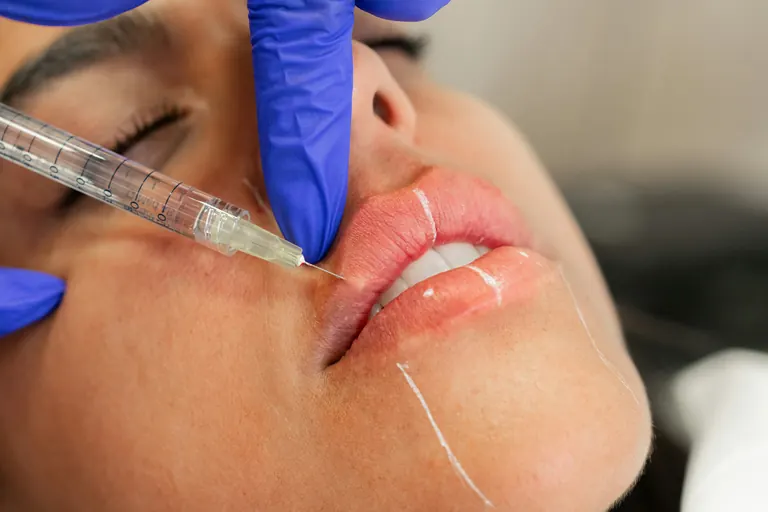
Botox (OnabotulinumtoxinA): Botox is a purified neuromodulator derived from Clostridium botulinum. It temporarily relaxes targeted facial muscles responsible for dynamic wrinkles such as forehead lines, frown lines, and crow’s feet. FDA-approved for cosmetic use in 2002, Botox is one of the most extensively studied and widely performed aesthetic treatments worldwide.

Radiofrequency Skin Tightening: Radiofrequency skin tightening is a non-invasive or minimally invasive treatment that uses controlled RF energy to heat the dermis and subdermal tissue. This heat stimulates collagen contraction and triggers new collagen and elastin production, leading to firmer, tighter skin over time. Popular RF technologies include Thermage, Forma, Exilis, and Morpheus-based RF systems.

1.2 Mechanism of Action

  • Botox: Blocks acetylcholine release at the neuromuscular junction, preventing muscle contraction. This reduces repetitive facial movements that cause wrinkles.
  • Radiofrequency: Delivers thermal energy to deeper skin layers, causing immediate collagen contraction and long-term collagen remodeling.

1.3 FDA Status and Medical Classification

  • Botox: FDA-approved injectable prescription medication.
  • Radiofrequency Skin Tightening: FDA-cleared devices for non-invasive skin tightening and wrinkle reduction.

2. Key Differences Between Botox and Radiofrequency Skin Tightening

2.A Purpose and Treatment Focus

  • Botox: Targets dynamic wrinkles caused by muscle movement. It does not improve skin laxity or firmness.
  • Radiofrequency: Targets skin laxity, loss of firmness, and collagen depletion. It does not stop muscle-driven wrinkles.

2.B Areas of Impact

ConcernBotoxRadiofrequency
Forehead Lines✔ Highly effective⚠ Mild improvement
Crow’s Feet✔ Gold standard⚠ Limited
Skin Laxity✔ Major benefit
Jawline Sagging⚠ Limited✔ Strong benefit
Neck Tightening⚠ Limited✔ Excellent
Texture & Firmness✔ Significant

2.C Speed of Results

  • Botox: Results appear within 3–5 days and peak at 10–14 days.
  • Radiofrequency: Some immediate tightening is visible, but optimal results develop gradually over 2–6 months.

2.D Duration of Results

  • Botox: Lasts approximately 3–4 months.
  • Radiofrequency: Results can last 12–24 months depending on treatment type and maintenance.

3. Effectiveness & Results

3.A Wrinkle Reduction

  • Botox: Highly effective for expression-related wrinkles.
  • Radiofrequency: Improves fine lines indirectly by tightening skin but does not relax muscles.

3.B Skin Tightening & Firmness

  • Botox: No tightening effect.
  • Radiofrequency: Improves skin firmness, elasticity, and contour through collagen remodeling.

3.C Long-Term Anti-Aging Impact

  • Botox: Prevents muscle-driven wrinkle progression.
  • Radiofrequency: Slows structural skin aging by restoring collagen integrity.

4. Cost Comparison: Botox vs. Radiofrequency Skin Tightening

4.A Average Cost Per Treatment

  • Botox: $300–$700 per session depending on units and areas treated.
  • Radiofrequency: $800–$4,000 depending on technology, treatment area, and invasiveness.

4.B Maintenance Frequency

  • Botox: Every 3–4 months.
  • Radiofrequency: Every 12–24 months with possible maintenance sessions.

4.C Long-Term Value

  • Botox offers fast, targeted wrinkle reduction.
  • Radiofrequency offers long-term tightening with fewer sessions.

5. Safety & Side Effects

5.A Common Side Effects

  • Botox: Mild bruising, swelling, headache, temporary muscle weakness.
  • Radiofrequency: Redness, swelling, warmth, mild tenderness after treatment.

5.B Rare Risks

  • Botox: Eyelid drooping, asymmetry, frozen appearance if injected incorrectly.
  • Radiofrequency: Burns, nerve irritation, or uneven results if improperly performed.

5.C Downtime Comparison

  • Botox: Minimal to none.
  • Radiofrequency: None to minimal downtime depending on treatment intensity.

6. Ideal Candidates: Who Should Choose Which?

Botox Is Best For:

  • Patients with dynamic wrinkles caused by facial expressions.
  • Individuals seeking fast, predictable results.
  • Those interested in wrinkle prevention.

Radiofrequency Is Best For:

  • Patients with mild to moderate skin laxity.
  • Individuals noticing sagging jawline, cheeks, or neck.
  • Patients seeking non-surgical skin tightening.

Key Reality

  • Radiofrequency cannot replace Botox for expression lines.
  • Botox cannot tighten sagging skin.

7. Expert Opinions & Real-World Experience

7.1 Provider Insights

  • Botox: Considered essential for upper-face wrinkle management.
  • Radiofrequency: Valued for non-invasive lifting and collagen stimulation.

7.2 Patient Feedback

  • Botox patients love quick smoothing with minimal downtime.
  • RF patients appreciate gradual tightening and improved facial contours.

7.3 Before-and-After Expectations

  • Botox: Smoother expression lines.
  • Radiofrequency: Firmer skin and improved jawline definition.

8. Combination Strategy: Botox + Radiofrequency

8.1 Can You Combine Botox and Radiofrequency?

Yes. They address different aging mechanisms and are frequently combined.

  • Perform radiofrequency first to tighten skin.
  • Inject Botox 1–2 weeks later to control muscle movement.

8.3 Maintenance Plan

  • Botox every 3–4 months.
  • Radiofrequency annually or biannually depending on aging severity.

Final Thoughts: Botox vs. Radiofrequency Skin Tightening

Botox and radiofrequency skin tightening are not competing treatments—they solve different problems. Botox controls muscle-driven wrinkles, while radiofrequency improves skin firmness and structure.

Choosing between them depends on whether your primary concern is wrinkles or skin laxity. For many patients, the most effective and natural-looking results come from combining both treatments into a personalized plan.

Always consult a qualified aesthetic provider to determine the best strategy based on your facial anatomy, skin condition, and long-term goals.

  • Botox vs. Retinol: The Comparison Guide

    Everything You Need to Know Before Choosing Between Medical Injectables and Topical Anti‑Aging

    Botox and retinol are two of the most powerful and widely discussed tools in modern anti‑aging—but they work in fundamentally different ways. Botox is a medical injectable that targets muscle movement to prevent expression‑related wrinkles, while retinol is a topical vitamin A derivative that improves skin texture, tone, and collagen production over time.

    Because many patients ask whether retinol can replace Botox—or whether Botox makes retinol unnecessary—this comprehensive guide breaks down Botox vs. retinol in detail. By the end, you’ll clearly understand what each treatment does, where its limits are, and why they are most effective when used together.

    Table of Contents

  • 1. What Are Botox and Retinol?
  • 2. Key Differences Between Botox and Retinol
  • 3. Effectiveness & Results
  • 4. Cost Comparison: Botox vs. Retinol
  • 5. Safety & Side Effects
  • 6. Ideal Candidates: Who Should Choose Which?
  • 7. Expert Opinions & Real‑World Experience
  • 8. Combination Strategy: Botox + Retinol
  • Final Thoughts: Botox vs. Retinol

  • 1. What Are Botox and Retinol?

    1.1 Definitions and Origins

    Botox (OnabotulinumtoxinA): Botox is a purified neuromodulator derived from Clostridium botulinum. It temporarily relaxes targeted facial muscles responsible for dynamic wrinkles such as forehead lines, glabellar lines, and crow’s feet. FDA‑approved for cosmetic use in 2002, Botox is one of the most researched and clinically proven aesthetic treatments worldwide.

    Retinol: Retinol is a vitamin A derivative used in topical skincare. It is converted in the skin into retinoic acid, which increases cell turnover, stimulates collagen production, and improves skin texture and pigmentation. Retinol is available over the counter, while stronger retinoids (such as tretinoin) require a prescription.

    1.2 Mechanism of Action

    1.3 Medical vs. Skincare Classification


    2. Key Differences Between Botox and Retinol

    2.A Purpose and Treatment Focus

    2.B Areas of Impact

    ConcernBotoxRetinol
    Forehead Lines✔ Highly effective⚠ Limited
    Crow’s Feet✔ Gold standard⚠ Minimal
    Fine Lines⚠ Some effect✔ Strong
    Pigmentation✔ Strong
    Acne✔ Strong
    Prevention✔ Muscle‑related✔ Cellular‑level

    2.C Speed of Results

    2.D Duration of Results


    3. Effectiveness & Results

    3.A Wrinkle Reduction

    3.B Skin Texture & Tone

    3.C Long‑Term Anti‑Aging Benefits


    4. Cost Comparison: Botox vs. Retinol

    4.A Average Cost

    4.B Maintenance Requirements

    4.C Long‑Term Value


    5. Safety & Side Effects

    5.A Common Side Effects

    5.B Rare Risks

    5.C Downtime Comparison


    6. Ideal Candidates: Who Should Choose Which?

    Botox Is Best For:

    Retinol Is Best For:

    The Reality


    7. Expert Opinions & Real‑World Experience

    7.1 Provider Insights

    7.2 Patient Feedback

    7.3 Before‑and‑After Expectations


    8. Combination Strategy: Botox + Retinol

    8.1 Can Retinol Replace Botox?

    No. Retinol cannot stop facial muscle contraction.

    8.2 Can Botox Replace Retinol?

    No. Botox does not improve pigmentation, texture, or barrier health.

    8.3 Ideal Anti‑Aging Strategy


    Final Thoughts: Botox vs. Retinol

    Botox and retinol are not competitors—they address aging at completely different biological levels. Botox controls muscle movement to prevent and soften wrinkles, while retinol improves skin health, texture, and resilience over time.

    If your goal is optimal anti‑aging, the most effective approach is not choosing one over the other, but understanding how to use both strategically.

    Always consult a qualified aesthetic provider or dermatologist to create a personalized plan that balances injectables with a scientifically sound skincare routine.

  • Botox vs. Thermage: The Comparison Guide

    Botox vs. Thermage: The Comparison Guide

    Everything You Need to Know Before Choosing the Right Anti-Aging Treatment

    Botox and Thermage are two of the most established non-surgical aesthetic treatments used to address visible signs of aging. While both are popular and effective, they work in fundamentally different ways. Botox targets facial muscles to soften expression-related wrinkles, whereas Thermage uses monopolar radiofrequency energy to tighten skin and stimulate long-term collagen production.

    Because they treat different aspects of aging, Botox and Thermage are often compared—and frequently combined. This comprehensive guide explains Botox vs. Thermage in depth so you can clearly understand which treatment is best for your concerns, timeline, and long-term goals.

    Table of Contents

  • 1. What Are Botox and Thermage?
  • 2. Key Differences Between Botox and Thermage
  • 3. Effectiveness & Results
  • 4. Cost Comparison: Botox vs. Thermage
  • 5. Safety & Side Effects
  • 6. Ideal Candidates: Who Should Choose Which?
  • 7. Expert Opinions & Real-World Experience
  • 8. Combination Treatments
  • Final Thoughts: Botox vs. Thermage

  • 1. What Are Botox and Thermage?

    1.1 Definitions and Origins

    Botox (OnabotulinumtoxinA): Botox is a purified neuromodulator derived from Clostridium botulinum. It temporarily relaxes targeted facial muscles that cause dynamic wrinkles such as forehead lines, frown lines, and crow’s feet. FDA-approved for cosmetic use in 2002, Botox is one of the most researched and widely performed aesthetic procedures worldwide.

    Thermage: Thermage is a non-invasive skin tightening treatment that uses monopolar radiofrequency (RF) energy to heat deep layers of the skin. This controlled heating stimulates collagen contraction and long-term collagen remodeling, leading to firmer, tighter skin over time. Thermage has been FDA-approved for skin tightening since the early 2000s and is considered one of the pioneers in non-surgical skin tightening.

    1.2 Mechanism of Action

    1.3 FDA Status and Clinical Use


    2. Key Differences Between Botox and Thermage

    2.A Purpose and Treatment Focus

    2.B Common Treatment Areas

    AreaBotoxThermage
    Forehead Lines✔ Highly effective⚠ Limited tightening only
    Crow’s Feet✔ Excellent⚠ Mild improvement
    Jawline & Jowls✔ Tightens and firms
    Neck⚠ Limited✔ Improves laxity
    Eyes✔ Brow lift effect✔ Tightens eyelids
    Body (abdomen, thighs)✔ FDA-approved

    2.C Onset of Results

    2.D Duration of Results


    3. Effectiveness & Results

    3.A Wrinkle Reduction

    3.B Skin Tightening & Firmness

    3.C Long-Term Skin Health


    4. Cost Comparison: Botox vs. Thermage

    4.A Average Cost Per Treatment

    4.B Maintenance Frequency

    4.C Long-Term Cost Considerations


    5. Safety & Side Effects

    5.A Common Side Effects

    5.B Rare Risks

    5.C Downtime Comparison


    6. Ideal Candidates: Who Should Choose Which?

    Botox Is Best For:

    Thermage Is Best For:

    Consider Combining Both


    7. Expert Opinions & Real-World Experience

    7.1 Provider Insights

    7.2 Patient Feedback

    7.3 Before-and-After Results


    8. Combination Treatments

    8.1 Can You Combine Botox and Thermage?

    Yes. They work on different layers of aging and complement each other exceptionally well.

    8.3 Maintenance Strategy


    Final Thoughts: Botox vs. Thermage

    Botox and Thermage are not competing treatments—they address different causes of facial aging. Botox smooths expression-related wrinkles quickly, while Thermage tightens and firms skin by rebuilding collagen over time.

    Choosing the right option depends on whether your primary concern is wrinkles, sagging, or both. For many patients, combining Botox and Thermage delivers the most comprehensive, natural-looking rejuvenation without surgery.

    Always consult a qualified aesthetic provider to design a personalized treatment plan tailored to your skin condition, goals, and lifestyle.

  • Botox vs. Morpheus8: The Comparison Guide

    Botox vs. Morpheus8: The Comparison Guide

    Everything You Need to Know Before Choosing the Right Anti-Aging Treatment

    Botox and Morpheus8 are two of the most talked-about non-surgical aesthetic treatments today, but they work in completely different ways and target aging at different layers of the face. Botox focuses on muscle activity to soften expression-related wrinkles, while Morpheus8 is an advanced RF microneedling treatment designed to tighten skin, remodel collagen, and improve overall skin structure.

    Because they treat different causes of aging, Botox and Morpheus8 are often compared—and very often combined. This in-depth guide explains exactly how Botox vs. Morpheus8 differ, who each treatment is best for, and how to choose the right option for your skin goals.

    Table of Contents

  • 1. What Are Botox and Morpheus8?
  • 2. Key Differences Between Botox and Morpheus8
  • 3. Effectiveness & Results
  • 4. Cost Comparison: Botox vs. Morpheus8
  • 5. Safety & Side Effects
  • 6. Ideal Candidates: Who Should Choose Which?
  • 7. Expert Opinions & Real-World Experience
  • 8. Combination Treatments
  • Final Thoughts: Botox vs. Morpheus8

  • 1. What Are Botox and Morpheus8?

    1.1 Definitions and Origins

    Botox (OnabotulinumtoxinA): Botox is a purified neuromodulator derived from Clostridium botulinum. It temporarily relaxes targeted facial muscles that cause dynamic wrinkles such as forehead lines, frown lines, and crow’s feet. FDA-approved for cosmetic use in 2002, Botox is one of the most researched and widely performed aesthetic procedures in the world.

    Morpheus8: Morpheus8 is a fractional radiofrequency microneedling device developed by InMode. It combines microneedling with bipolar RF energy to penetrate deep into the dermis and subdermal layers, stimulating collagen production, skin tightening, and fat remodeling. It is FDA-cleared for soft tissue coagulation and skin resurfacing.

    1.2 Mechanism of Action

    1.3 FDA Status and Clinical Use


    2. Key Differences Between Botox and Morpheus8

    2.A Purpose and Treatment Focus

    2.B Common Treatment Areas

    AreaBotoxMorpheus8
    Forehead Lines✔ Highly effective✔ Improves skin firmness
    Crow’s Feet✔ Excellent⚠ Limited benefit
    Jawline & Jowls✔ Tightens and contours
    Neck⚠ Limited✔ Firms crepey skin
    Acne Scars✔ One of the best treatments
    Body (knees, arms)✔ Commonly treated

    2.C Onset of Results

    2.D Duration of Results


    3. Effectiveness & Results

    3.A Wrinkle Reduction

    3.B Skin Tightening & Texture

    3.C Long-Term Skin Health


    4. Cost Comparison: Botox vs. Morpheus8

    4.A Average Cost Per Treatment

    4.B Maintenance Frequency

    4.C Long-Term Cost Considerations


    5. Safety & Side Effects

    5.A Common Side Effects

    5.B Rare Risks

    5.C Downtime Comparison


    6. Ideal Candidates: Who Should Choose Which?

    Botox Is Best For:

    Morpheus8 Is Best For:

    Consider Combining Both


    7. Expert Opinions & Real-World Experience

    7.1 Provider Insights

    7.2 Patient Feedback

    7.3 Before-and-After Results


    8. Combination Treatments

    8.1 Can You Combine Botox and Morpheus8?

    Yes. They work at different layers and complement each other extremely well.

    8.3 Maintenance Strategy


    Final Thoughts: Botox vs. Morpheus8

    Botox and Morpheus8 are not competitors—they are complementary tools that address aging from different angles. Botox smooths expression lines quickly, while Morpheus8 strengthens and tightens the skin from within.

    Choosing the right option depends on your primary concerns, timeline, and long-term goals. For many patients, combining Botox and Morpheus8 delivers the most comprehensive, natural-looking rejuvenation without surgery.

    Always consult a qualified aesthetic professional to create a personalized treatment plan tailored to your skin and lifestyle.

  • Botox vs. Face Yoga: The Comparison Guide

    Botox vs. Face Yoga: The Comparison Guide

    Everything You Need to Know Before Choosing a Wrinkle-Reduction Approach

    Botox and Face Yoga represent two very different philosophies in facial rejuvenation. Botox is a medical injectable that relaxes facial muscles to reduce expression-related wrinkles, while Face Yoga is a natural, exercise-based approach that aims to tone facial muscles, improve circulation, and promote relaxation through repetitive movements and massage techniques.

    Because one is a medical treatment and the other a lifestyle practice, Botox and Face Yoga are often compared by patients looking for either fast, visible results or a natural, non-invasive alternative. This comprehensive guide breaks down Botox vs. Face Yoga so you can clearly understand what each can—and cannot—do for facial aging.

    Table of Contents

  • 1. What Are Botox and Face Yoga?
  • 2. Key Differences Between Botox and Face Yoga
  • 3. Effectiveness & Results
  • 4. Cost Comparison: Botox vs. Face Yoga
  • 5. Safety & Side Effects
  • 6. Ideal Candidates: Who Should Choose Which?
  • 7. Expert Opinions & Real-World Experience
  • 8. Combination Approach
  • Final Thoughts: Botox vs. Face Yoga

  • 1. What Are Botox and Face Yoga?

    1.1 Definitions and Origins

    Botox (OnabotulinumtoxinA): Botox is a purified neuromodulator derived from Clostridium botulinum. It temporarily relaxes targeted facial muscles responsible for dynamic wrinkles such as forehead lines, frown lines, and crow’s feet. FDA-approved for cosmetic use in 2002, Botox is one of the most extensively studied and widely used aesthetic treatments worldwide.

    Face Yoga: Face Yoga is a collection of facial exercises, massage techniques, and breathing practices designed to engage facial muscles, increase blood flow, and promote relaxation. It has roots in traditional yoga, physiotherapy, and facial massage practices and is often promoted as a natural method for facial toning and anti-aging.

    1.2 Mechanism of Action

    1.3 Medical Status and Clinical Evidence


    2. Key Differences Between Botox and Face Yoga

    2.A Purpose and Treatment Focus

    2.B Common Areas of Focus

    AreaBotoxFace Yoga
    Forehead Lines✔ Highly effective⚠ May worsen if overdone
    Frown Lines✔ Gold standard⚠ Limited benefit
    Crow’s Feet✔ Effective⚠ Minimal impact
    Jawline⚠ Limited✔ Muscle awareness only
    Neck⚠ Limited✔ Posture and tension relief
    Facial Tension✔ Major benefit

    2.C Onset of Results

    2.D Duration of Results


    3. Effectiveness & Results

    3.A Wrinkle Reduction

    3.B Skin Quality & Circulation

    3.C Long-Term Facial Aging


    4. Cost Comparison: Botox vs. Face Yoga

    4.A Cost Structure

    4.B Time Investment

    4.C Long-Term Value


    5. Safety & Side Effects

    5.A Common Side Effects

    5.B Rare Risks

    5.C Downtime Comparison


    6. Ideal Candidates: Who Should Choose Which?

    Botox Is Best For:

    Face Yoga Is Best For:

    Consider Combining Both


    7. Expert Opinions & Real-World Experience

    7.1 Provider Insights

    7.2 Patient Feedback

    7.3 Before-and-After Expectations


    8. Combination Approach

    8.1 Can You Do Face Yoga with Botox?

    Yes. Gentle facial massage and relaxation techniques can complement Botox, but forceful exercises should be avoided immediately after injections.

    8.3 Maintenance Strategy


    Final Thoughts: Botox vs. Face Yoga

    Botox and Face Yoga are not true competitors. Botox is a medical treatment proven to reduce and prevent dynamic wrinkles, while Face Yoga is a lifestyle practice that may improve relaxation and facial awareness but cannot reliably reverse aging.

    Choosing between them depends on your expectations. If you want visible wrinkle reduction, Botox remains the gold standard. If you prefer a natural approach focused on wellness rather than measurable aesthetic change, Face Yoga may be a supportive habit—but not a replacement.

    Always consult a qualified aesthetic provider to understand what approach aligns best with your skin, goals, and lifestyle.

  • Botox vs. PRP (Vampire Facial): The Comparison Guide

    Botox vs. PRP (Vampire Facial): The Comparison Guide

    Everything You Need to Know Before Choosing the Right Rejuvenation Treatment

    Botox and PRP (Platelet-Rich Plasma), often referred to as the “Vampire Facial,” are two highly popular non-surgical aesthetic treatments—but they work in completely different ways and address aging from different biological pathways. Botox focuses on relaxing facial muscles to reduce expression-related wrinkles, while PRP uses your body’s own growth factors to stimulate skin regeneration, collagen production, and overall skin healing.

    Because they target different causes of aging, Botox and PRP are frequently compared—and very often combined. This in-depth guide explores Botox vs. PRP in detail so you can clearly understand which treatment is best for your skin concerns, expectations, and long-term goals.

    Table of Contents

  • 1. What Are Botox and PRP (Vampire Facial)?
  • 2. Key Differences Between Botox and PRP
  • 3. Effectiveness & Results
  • 4. Cost Comparison: Botox vs. PRP
  • 5. Safety & Side Effects
  • 6. Ideal Candidates: Who Should Choose Which?
  • 7. Expert Opinions & Real-World Experience
  • 8. Combination Treatments
  • Final Thoughts: Botox vs. PRP (Vampire Facial)

  • 1. What Are Botox and PRP (Vampire Facial)?

    1.1 Definitions and Origins

    Botox (OnabotulinumtoxinA): Botox is a purified neuromodulator derived from Clostridium botulinum. It temporarily relaxes targeted facial muscles responsible for dynamic wrinkles such as forehead lines, frown lines, and crow’s feet. FDA-approved for cosmetic use in 2002, Botox is one of the most researched and widely used aesthetic treatments worldwide.

    PRP (Platelet-Rich Plasma / Vampire Facial): PRP is an autologous treatment derived from your own blood. After a small blood draw, the sample is centrifuged to concentrate platelets rich in growth factors. These growth factors are then injected or applied to the skin (often combined with microneedling) to stimulate collagen production, tissue repair, and cellular regeneration.

    1.2 Mechanism of Action

    1.3 FDA Status and Clinical Use


    2. Key Differences Between Botox and PRP

    2.A Purpose and Treatment Focus

    2.B Common Treatment Areas

    AreaBotoxPRP (Vampire Facial)
    Forehead Lines✔ Highly effective⚠ Mild improvement
    Crow’s Feet✔ Excellent⚠ Skin quality only
    Acne Scars✔ Effective
    Skin Texture & Glow✔ Major benefit
    Under Eyes⚠ With expert injector✔ Improves dark circles & crepey skin
    Hair Loss (Scalp)✔ Common PRP use

    2.C Onset of Results

    2.D Duration of Results


    3. Effectiveness & Results

    3.A Wrinkle Reduction

    3.B Skin Quality & Regeneration

    3.C Long-Term Skin Health


    4. Cost Comparison: Botox vs. PRP

    4.A Average Cost Per Treatment

    4.B Maintenance Frequency

    4.C Long-Term Cost Considerations


    5. Safety & Side Effects

    5.A Common Side Effects

    5.B Rare Risks

    5.C Downtime Comparison


    6. Ideal Candidates: Who Should Choose Which?

    Botox Is Best For:

    PRP Is Best For:

    Consider Combining Both


    7. Expert Opinions & Real-World Experience

    7.1 Provider Insights

    7.2 Patient Feedback

    7.3 Before-and-After Results


    8. Combination Treatments

    8.1 Can You Combine Botox and PRP?

    Yes. They work at different layers and complement each other exceptionally well.

    8.3 Maintenance Strategy


    Final Thoughts: Botox vs. PRP (Vampire Facial)

    Botox and PRP are not competing treatments—they are complementary approaches to facial rejuvenation. Botox smooths expression lines quickly, while PRP improves skin quality and health from within.

    Choosing the right option depends on whether your main concern is wrinkles, skin damage, or both. For many patients, combining Botox and PRP delivers the most natural, youthful, and long-lasting results.

    Always consult a qualified aesthetic provider to create a personalized treatment plan tailored to your skin, goals, and lifestyle.

  • Botox vs. Profhilo: The Comparison Guide

    Botox vs. Profhilo: The Comparison Guide

    Everything You Need to Know Before Choosing the Right Injectable Treatment

    Botox and Profhilo are two of the most popular injectable treatments in aesthetic medicine, but they serve very different purposes. Botox focuses on relaxing facial muscles to reduce expression-related wrinkles, while Profhilo is a unique injectable designed to deeply hydrate the skin and stimulate collagen and elastin without adding volume or altering facial movement.

    Because they treat different causes of aging, Botox and Profhilo are often compared—and very frequently combined. This comprehensive guide breaks down Botox vs. Profhilo in detail so you can clearly understand which treatment is right for your skin concerns, age, and long-term goals.

    Table of Contents

  • 1. What Are Botox and Profhilo?
  • 2. Key Differences Between Botox and Profhilo
  • 3. Effectiveness & Results
  • 4. Cost Comparison: Botox vs. Profhilo
  • 5. Safety & Side Effects
  • 6. Ideal Candidates: Who Should Choose Which?
  • 7. Expert Opinions & Real-World Experience
  • 8. Combination Treatments
  • Final Thoughts: Botox vs. Profhilo

  • 1. What Are Botox and Profhilo?

    1.1 Definitions and Origins

    Botox (OnabotulinumtoxinA): Botox is a purified neuromodulator derived from Clostridium botulinum. It temporarily relaxes targeted facial muscles responsible for dynamic wrinkles such as forehead lines, frown lines, and crow’s feet. FDA-approved for cosmetic use in 2002, Botox remains the gold standard for expression-related wrinkle treatment.

    Profhilo: Profhilo is an injectable bio-remodelling treatment composed of highly concentrated, ultrapure hyaluronic acid (HA). Unlike traditional fillers, Profhilo does not add volume or shape the face. Instead, it spreads evenly within the skin to deeply hydrate and stimulate collagen and elastin production. Profhilo is CE-marked and widely used in Europe and Asia.

    1.2 Mechanism of Action

    1.3 FDA Status and Clinical Use


    2. Key Differences Between Botox and Profhilo

    2.A Purpose and Treatment Focus

    2.B Common Treatment Areas

    AreaBotoxProfhilo
    Forehead Lines✔ Highly effective⚠ Improves skin quality only
    Crow’s Feet✔ Excellent⚠ Improves texture only
    Cheeks✔ Improves firmness & hydration
    Neck⚠ Limited✔ One of the best indications
    Jawline⚠ Limited✔ Skin tightening & glow
    Hands✔ Commonly treated

    2.C Onset of Results

    2.D Duration of Results


    3. Effectiveness & Results

    3.A Wrinkle Reduction

    3.B Skin Quality & Hydration

    3.C Long-Term Skin Health


    4. Cost Comparison: Botox vs. Profhilo

    4.A Average Cost Per Treatment

    4.B Maintenance Frequency

    4.C Long-Term Cost Considerations


    5. Safety & Side Effects

    5.A Common Side Effects

    5.B Rare Risks

    5.C Downtime Comparison


    6. Ideal Candidates: Who Should Choose Which?

    Botox Is Best For:

    Profhilo Is Best For:

    Consider Combining Both


    7. Expert Opinions & Real-World Experience

    7.1 Provider Insights

    7.2 Patient Feedback

    7.3 Before-and-After Results


    8. Combination Treatments

    8.1 Can You Combine Botox and Profhilo?

    Yes. They are commonly combined and complement each other extremely well.

    8.3 Maintenance Strategy


    Final Thoughts: Botox vs. Profhilo

    Botox and Profhilo are not competing treatments—they are complementary. Botox addresses muscle-driven wrinkles, while Profhilo improves skin hydration, elasticity, and overall quality.

    Choosing the right treatment depends on whether your main concern is wrinkles, skin quality, or both. For many patients, combining Botox and Profhilo delivers the most natural, refreshed, and youthful appearance.

    Always consult a qualified aesthetic provider to design a personalized treatment plan tailored to your skin needs and long-term goals.

  • Botox vs. Sculptra: The Comparison Guide

    Botox vs. Sculptra: The Comparison Guide

    Everything You Need to Know Before Choosing the Right Anti-Aging Treatment

    Botox and Sculptra are both powerful injectable treatments used in aesthetic medicine, but they work in fundamentally different ways and target aging at completely different levels. Botox focuses on relaxing facial muscles to soften expression-related wrinkles, while Sculptra works deep within the skin to stimulate your body’s natural collagen production and restore lost facial volume over time.

    Because they address different causes of aging, Botox and Sculptra are often compared—and very often combined. This comprehensive guide explains Botox vs. Sculptra in detail so you can understand which treatment is best for your concerns, timeline, and long-term aesthetic goals.

    Table of Contents

  • 1. What Are Botox and Sculptra?
  • 2. Key Differences Between Botox and Sculptra
  • 3. Effectiveness & Results
  • 4. Cost Comparison: Botox vs. Sculptra
  • 5. Safety & Side Effects
  • 6. Ideal Candidates: Who Should Choose Which?
  • 7. Expert Opinions & Real-World Experience
  • 8. Combination Treatments
  • Final Thoughts: Botox vs. Sculptra

  • 1. What Are Botox and Sculptra?

    1.1 Definitions and Origins

    Botox (OnabotulinumtoxinA): Botox is a purified neuromodulator derived from Clostridium botulinum. It temporarily relaxes targeted facial muscles that cause dynamic wrinkles such as forehead lines, frown lines, and crow’s feet. FDA-approved for cosmetic use in 2002, Botox has become the gold standard for treating expression-related wrinkles.

    Sculptra (Poly-L-Lactic Acid – PLLA): Sculptra is an injectable collagen biostimulator made from poly-L-lactic acid, a biocompatible and biodegradable substance that has been used in medical applications for decades. Rather than filling lines directly, Sculptra stimulates your body to produce new collagen gradually, restoring facial volume and structural support over time.

    1.2 Mechanism of Action

    1.3 FDA Status and Clinical Use


    2. Key Differences Between Botox and Sculptra

    2.A Purpose and Treatment Focus

    2.B Common Treatment Areas

    AreaBotoxSculptra
    Forehead Lines✔ Highly effective✖ Not indicated
    Crow’s Feet✔ Excellent✖ Not indicated
    Nasolabial Folds⚠ Limited✔ Restores volume
    Cheeks & Temples✔ Major indication
    Jawline⚠ Limited✔ Structural support
    Neck⚠ Limited✔ (off-label collagen support)
    Body (buttocks, arms)✔ Common off-label use

    2.C Onset of Results

    2.D Duration of Results


    3. Effectiveness & Results

    3.A Wrinkle Reduction

    3.B Volume Restoration & Skin Quality

    3.C Long-Term Skin Health


    4. Cost Comparison: Botox vs. Sculptra

    4.A Average Cost Per Treatment

    4.B Maintenance Frequency

    4.C Long-Term Cost Considerations


    5. Safety & Side Effects

    5.A Common Side Effects

    5.B Rare Risks

    5.C Downtime Comparison


    6. Ideal Candidates: Who Should Choose Which?

    Botox Is Best For:

    Sculptra Is Best For:

    Consider Combining Both


    7. Expert Opinions & Real-World Experience

    7.1 Provider Insights

    7.2 Patient Feedback

    7.3 Before-and-After Results


    8. Combination Treatments

    8.1 Can You Combine Botox and Sculptra?

    Yes. They work at different layers and are commonly combined for full-face rejuvenation.

    8.3 Maintenance Strategy


    Final Thoughts: Botox vs. Sculptra

    Botox and Sculptra are not competitors—they are complementary tools that address aging from different angles. Botox smooths dynamic wrinkles quickly, while Sculptra restores volume and rebuilds collagen gradually for long-term rejuvenation.

    Choosing the right option depends on whether your primary concern is wrinkles, volume loss, or both. For many patients, combining Botox and Sculptra delivers the most natural, long-lasting, and comprehensive results.

    Always consult a qualified aesthetic provider to create a personalized treatment plan tailored to your skin, facial anatomy, and long-term goals.

  • Botox vs. Microneedling: The Comparison Guide

    Botox vs. Microneedling: The Comparison Guide

    Everything You Need to Know Before Choosing the Right Skin Rejuvenation Treatment

    Botox and microneedling are two of the most widely requested non-surgical aesthetic treatments, but they address aging and skin concerns in very different ways. Botox works at the muscular level to soften expression-related wrinkles, while microneedling focuses on improving skin quality by stimulating collagen and cellular renewal.

    Because they target different causes of aging, Botox and microneedling are often compared—and frequently combined. This comprehensive guide explores every aspect of Botox vs. microneedling so you can clearly understand which treatment (or combination) is right for your skin goals.

    Table of Contents

  • 1. What Are Botox and Microneedling?
  • 2. Key Differences Between Botox and Microneedling
  • 3. Effectiveness & Results
  • 4. Cost Comparison: Botox vs. Microneedling
  • 5. Safety & Side Effects
  • 6. Ideal Candidates: Who Should Choose Which?
  • 7. Expert Opinions & Real-World Experience
  • 8. Combination Treatments
  • Final Thoughts: Botox vs. Microneedling

  • 1. What Are Botox and Microneedling?

    1.1 Definitions and Origins

    Botox (OnabotulinumtoxinA): Botox is a purified neurotoxin derived from Clostridium botulinum. It temporarily relaxes targeted facial muscles responsible for dynamic wrinkles such as forehead lines, frown lines, and crow’s feet. Approved by the FDA for cosmetic use in 2002, Botox is one of the most extensively studied aesthetic treatments worldwide.

    Microneedling (Collagen Induction Therapy): Microneedling is a minimally invasive procedure that uses fine, sterile needles to create controlled micro-injuries in the skin. These microchannels stimulate the body’s natural wound-healing process, increasing collagen and elastin production. Microneedling has been used in dermatology for decades and is often enhanced with serums, PRP, or radiofrequency.

    1.2 Mechanism of Action

    1.3 FDA Status and Clinical Use


    2. Key Differences Between Botox and Microneedling

    2.A Purpose and Treatment Focus

    2.B Common Treatment Areas

    AreaBotoxMicroneedling
    Forehead Lines✔ Highly effective✔ Improves fine lines & texture
    Crow’s Feet✔ Excellent✔ Limited benefit
    Acne Scars✖ Not effective✔ Gold-standard non-laser option
    Pores & Texture✔ Significant improvement
    Neck & Décolletage⚠ Limited✔ Commonly treated
    Under Eyes✔ With expert injector✔ Improves crepey skin

    2.C Onset of Results

    2.D Duration of Results


    3. Effectiveness & Results

    3.A Wrinkle Reduction

    3.B Skin Quality Improvements

    3.C Long-Term Skin Health


    4. Cost Comparison: Botox vs. Microneedling

    4.A Average Cost Per Session

    4.B Maintenance Frequency

    4.C Long-Term Cost Considerations


    5. Safety & Side Effects

    5.A Common Side Effects

    5.B Rare Risks

    5.C Downtime Comparison


    6. Ideal Candidates: Who Should Choose Which?

    Botox Is Best For:

    Microneedling Is Best For:

    Consider Combining Both


    7. Expert Opinions & Real-World Experience

    7.1 Provider Insights

    7.2 Patient Feedback

    7.3 Before-and-After Results


    8. Combination Treatments

    8.1 Can You Combine Botox and Microneedling?

    Yes. Botox should be done first, followed by microneedling after 1–2 weeks to avoid toxin migration.

    8.2 Synergistic Benefits

    8.3 Maintenance Strategy


    Final Thoughts: Botox vs. Microneedling

    Botox and microneedling are not competitors—they are complementary treatments addressing different layers of aging. Botox is ideal for relaxing facial muscles and preventing wrinkles, while microneedling improves skin texture, tone, and long-term quality.

    Choosing the right treatment depends on your concerns, timeline, and desired outcome. In many cases, combining Botox and microneedling delivers the most comprehensive and natural-looking rejuvenation possible.

    Always consult a qualified provider to design a personalized treatment plan that aligns with your skin goals and lifestyle.