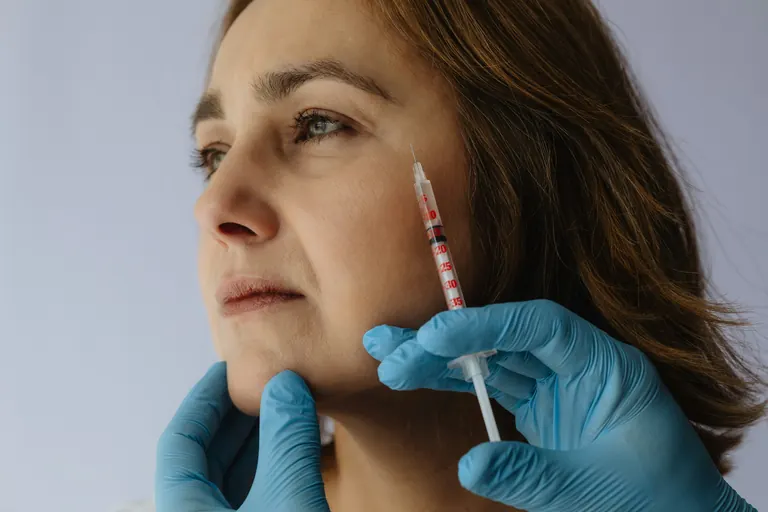
Botox vs. Profhilo: The Comparison Guide
Reviewed for medical accuracy against our Medical Review Board · Last updated 15 August 2026
Part of Botox vs Fillers and Other Injectables
Everything You Need to Know Before Choosing the Right Injectable Treatment
Botox and Profhilo are two of the most popular injectable treatments in aesthetic medicine, but they serve very different purposes. Botox focuses on relaxing facial muscles to reduce expression-related wrinkles, while Profhilo is a unique injectable designed to deeply hydrate the skin and stimulate collagen and elastin without adding volume or altering facial movement.
Because they treat different causes of aging, Botox and Profhilo are often compared, and very frequently combined. This comprehensive guide breaks down Botox vs. Profhilo in detail so you can clearly understand which treatment is right for your skin concerns, age, and long-term goals.
1. Botox and Profhilo: what each one actually is
1.1 Definitions and Origins
Botox (OnabotulinumtoxinA): Botox is a purified neuromodulator derived from Clostridium botulinum. It temporarily relaxes targeted facial muscles responsible for dynamic wrinkles such as forehead lines, frown lines, and crow’s feet. FDA-approved for cosmetic use in 2002, Botox remains the gold standard for expression-related wrinkle treatment.
Profhilo: Profhilo is an injectable bio-remodelling treatment composed of highly concentrated, ultrapure hyaluronic acid (HA). Unlike traditional fillers, Profhilo does not add volume or shape the face. Instead, it spreads evenly within the skin to deeply hydrate and stimulate collagen and elastin production. Profhilo is CE-marked and widely used in Europe and Asia.
1.2 Mechanism of Action
- Botox: Blocks acetylcholine release at the neuromuscular junction, preventing muscle contraction. This reduces repetitive facial movements and smooths dynamic wrinkles.
- Profhilo: Uses a patented hybrid HA technology that slowly releases hyaluronic acid into the skin, triggering bio-remodelling by stimulating fibroblasts, keratinocytes, and adipocytes.
1.3 FDA Status and Clinical Use
- Botox: FDA-approved for cosmetic wrinkle reduction and multiple medical indications including migraines, hyperhidrosis, and muscle disorders.
- Profhilo: CE-marked medical device. Not FDA-approved in the U.S. but widely used internationally for skin laxity, dehydration, and early signs of aging.
2. The core differences
2.A Purpose and Treatment Focus
- Botox: Targets dynamic wrinkles caused by muscle movement. It does not improve skin texture, hydration, or elasticity.
- Profhilo: Targets skin quality issues such as dehydration, laxity, and loss of elasticity. It does not affect muscle movement or facial expressions.
2.B Common Treatment Areas
| Area | Botox | Profhilo |
|---|---|---|
| Forehead Lines | ✔ Highly effective | ⚠ Improves skin quality only |
| Crow’s Feet | ✔ Excellent | ⚠ Improves texture only |
| Cheeks | ✖ | ✔ Improves firmness & hydration |
| Neck | ⚠ Limited | ✔ One of the best indications |
| Jawline | ⚠ Limited | ✔ Skin tightening & glow |
| Hands | ✖ | ✔ Commonly treated |
2.C Onset of Results
- Botox: Results appear within 3–5 days, peak at 10–14 days.
- Profhilo: Subtle improvements appear within 2–4 weeks, with optimal results after the second session.
2.D Duration of Results
- Botox: 3–4 months.
- Profhilo: Approximately 6–9 months after the standard two-session protocol.
3. What results to realistically expect
3.A Wrinkle Reduction
- Botox: Highly effective for expression-related wrinkles and wrinkle prevention.
- Profhilo: Does not erase wrinkles but softens fine lines by improving skin hydration and elasticity.
3.B Skin Quality & Hydration
- Botox: Minimal effect on skin quality.
- Profhilo: Significantly improves hydration, glow, firmness, and skin elasticity.
3.C Long-Term Skin Health
- Botox: Prevents muscle-driven aging.
- Profhilo: Improves overall skin health by stimulating collagen and elastin over time.
4. Cost, and what drives it
4.A Average Cost Per Treatment
- Botox: $300–$700 depending on units and areas treated.
- Profhilo: $600–$1,200 per session. Standard protocol requires two sessions one month apart.
4.B Maintenance Frequency
- Botox: Every 3–4 months.
- Profhilo: Every 6–9 months after the initial two-session protocol.
4.C Long-Term Cost Considerations
- Botox requires ongoing maintenance.
- Profhilo has fewer sessions per year but higher upfront cost.
5. Safety and what can go wrong
5.A Common Side Effects
- Botox: Mild bruising, swelling, headache, temporary muscle weakness.
- Profhilo: Injection-site swelling (small bumps), redness, mild tenderness.
5.B Rare Risks
- Botox: Eyelid drooping, asymmetry, frozen appearance if overdosed.
- Profhilo: Very rare nodules or inflammatory reactions when injected incorrectly.
5.C Downtime Comparison
- Botox: Minimal to none.
- Profhilo: Minimal downtime; small injection bumps usually resolve within 24–48 hours.
6. Ideal Candidates: Who Should Choose Which?
Botox Is Best For:
- Patients with dynamic wrinkles.
- Those seeking fast, predictable results.
- Individuals interested in wrinkle prevention.
Profhilo Is Best For:
- Patients with dehydrated, dull, or lax skin.
- Individuals noticing early skin sagging without deep wrinkles.
- Patients seeking natural skin rejuvenation without volume or frozen expressions.
Consider Combining Both
- Botox relaxes muscles.
- Profhilo improves skin quality.
- Together, they address both major causes of visible aging.
7. Clinical opinion and real experience
7.1 Provider Insights
- Botox: Remains the gold standard for expression-related wrinkle treatment.
- Profhilo: Widely praised for delivering natural-looking skin rejuvenation with no change in facial movement.
7.2 Patient Feedback
- Botox patients love quick, visible smoothing.
- Profhilo patients report glowing, firmer skin that looks healthy rather than “done.”
7.3 Before-and-After Results
- Botox: Smooth forehead and eye area.
- Profhilo: Improved skin texture, hydration, and firmness across the face and neck.
8. Combination Treatments
8.1 Can You Combine Botox and Profhilo?
Yes. They are commonly combined and complement each other extremely well.
8.2 Recommended Treatment Sequence
- Botox first to relax muscles.
- Profhilo 1–2 weeks later to enhance skin quality.
8.3 Maintenance Strategy
- Botox every 3–4 months.
- Profhilo twice per year after initial protocol.
Final Thoughts: Botox vs. Profhilo
Botox and Profhilo are not competing treatments, they are complementary. Botox addresses muscle-driven wrinkles, while Profhilo improves skin hydration, elasticity, and overall quality.
Choosing the right treatment depends on whether your main concern is wrinkles, skin quality, or both. For many patients, combining Botox and Profhilo delivers the most natural, refreshed, and youthful appearance.
Always consult a qualified aesthetic provider to design a personalized treatment plan tailored to your skin needs and long-term goals.

Frequently asked questions
Is Profhilo approved in the United States?
This is the first thing to establish, because much of the information written about Profhilo is written for the UK and EU markets where it has been available for years. Ask your provider directly what regulatory status the specific product they are offering holds in the US, and what they are using if Profhilo itself is not available to them. A product being well established elsewhere is not the same as being approved where you are being treated.
Does Profhilo work on frown lines?
Not in the way people expect. Profhilo is a hyaluronic acid preparation designed to spread through the tissue and stimulate hydration and collagen, rather than to fill a line or relax a muscle. The vertical lines between the brows are made by the corrugator and procerus muscles pulling. Nothing that improves skin quality will stop a muscle contracting, which is why a neurotoxin remains the treatment for that particular line.
Which works faster, Botox or Profhilo?
Botox, and by a wide margin, but they are not racing to the same finish. A neurotoxin produces visible change within days and is typically assessed at two to four weeks. Bio-remodelling treatments work by stimulating your own tissue, so the change accumulates over weeks to months and usually needs a course rather than a single session. If you are judging Profhilo at two weeks you are judging it far too early.
Can you have Botox and Profhilo together?
They target different things, so combining them is common in practice. The question worth asking is spacing rather than compatibility: both involve injections into the same region of the face, and stacking them in one session makes it harder to attribute a reaction to either one. If you have not had either before, having them separately tells you more about how you respond.
Which is better value?
They are not comparable on price because they are not comparable on outcome. A neurotoxin is a single treatment with a labelled dose lasting a matter of months. A bio-remodelling course is usually multiple sessions with a maintenance interval measured in months after that. Compare the total cost of a full course against the total annual cost of the neurotoxin schedule you would actually follow, not one session against one session.
Sources
Every figure on this page was read from the documents below rather than from a clinic or a manufacturer's marketing. They open in a new tab so you can check any claim here against its source.
- BOTOX Cosmetic prescribing information, FDA via DailyMed
- Dermal fillers (soft tissue fillers), US Food and Drug Administration
- Dermal fillers, American Society of Plastic Surgeons