Botox vs. Face Yoga: The Comparison Guide
Reviewed for medical accuracy against our Medical Review Board · Last updated 15 August 2026
Part of Botox vs Natural Alternatives and Surgery
Everything You Need to Know Before Choosing a Wrinkle-Reduction Approach
Botox and Face Yoga represent two very different philosophies in facial rejuvenation. Botox is a medical injectable that relaxes facial muscles to reduce expression-related wrinkles, while Face Yoga is a natural, exercise-based approach that aims to tone facial muscles, improve circulation, and promote relaxation through repetitive movements and massage techniques.
Because one is a medical treatment and the other a lifestyle practice, Botox and Face Yoga are often compared by patients looking for either fast, visible results or a natural, non-invasive alternative. This comprehensive guide breaks down Botox vs. Face Yoga so you can clearly understand what each can, and cannot, do for facial aging.
1. Understanding Botox and Face Yoga
1.1 Definitions and Origins
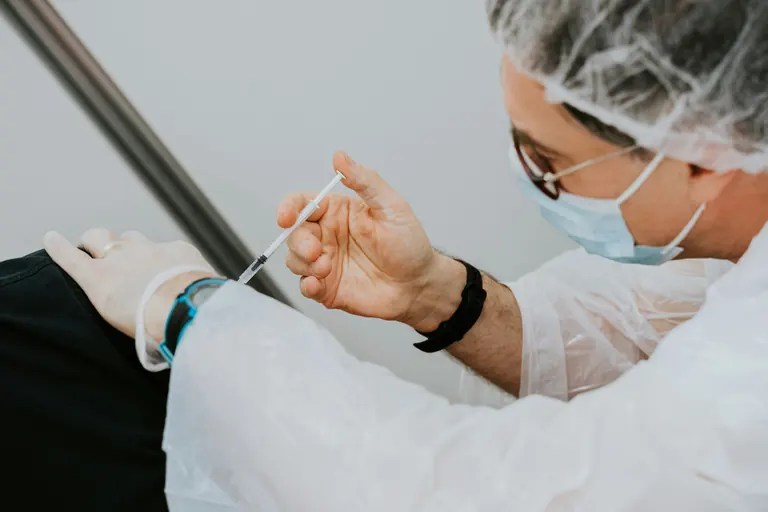
Botox (OnabotulinumtoxinA): Botox is a purified neuromodulator derived from Clostridium botulinum. It temporarily relaxes targeted facial muscles responsible for dynamic wrinkles such as forehead lines, frown lines, and crow’s feet. FDA-approved for cosmetic use in 2002, Botox is one of the most extensively studied and widely used aesthetic treatments worldwide.
Face Yoga: Face Yoga is a collection of facial exercises, massage techniques, and breathing practices designed to engage facial muscles, increase blood flow, and promote relaxation. It has roots in traditional yoga, physiotherapy, and facial massage practices and is often promoted as a natural method for facial toning and anti-aging.
1.2 Mechanism of Action
- Botox: Blocks acetylcholine release at the neuromuscular junction, preventing muscle contraction. This reduces repetitive facial movements that cause wrinkles and allows the overlying skin to smooth.
- Face Yoga: Encourages repeated contraction and stretching of facial muscles to improve circulation, reduce tension, and increase muscle awareness. Some techniques also focus on lymphatic drainage and stress reduction.
1.3 Medical Status and Clinical Evidence
- Botox: FDA-approved with decades of clinical studies supporting its safety and effectiveness for wrinkle reduction and prevention.
- Face Yoga: Not a medical treatment. Evidence is largely anecdotal or based on small studies showing modest improvements in muscle tone or facial awareness rather than true wrinkle reversal.
2. How Botox and Face Yoga diverge
2.A Purpose and Treatment Focus
- Botox: Targets dynamic wrinkles caused by muscle overactivity. It does not improve skin hydration, texture, or collagen quality.
- Face Yoga: Focuses on muscle engagement and relaxation. It aims to improve facial tone and circulation but does not directly stop wrinkle formation.
2.B Common Areas of Focus
| Area | Botox | Face Yoga |
|---|---|---|
| Forehead Lines | ✔ Highly effective | ⚠ May worsen if overdone |
| Frown Lines | ✔ Gold standard | ⚠ Limited benefit |
| Crow’s Feet | ✔ Effective | ⚠ Minimal impact |
| Jawline | ⚠ Limited | ✔ Muscle awareness only |
| Neck | ⚠ Limited | ✔ Posture and tension relief |
| Facial Tension | ✖ | ✔ Major benefit |
2.C Onset of Results
- Botox: Visible improvement within 3–5 days, with full results at 10–14 days.
- Face Yoga: No immediate results. Changes, if any, require weeks to months of consistent daily practice.
2.D Duration of Results
- Botox: Lasts approximately 3–4 months per treatment.
- Face Yoga: Results are dependent on continuous practice; benefits fade if exercises stop.
3. Effectiveness in practice
3.A Wrinkle Reduction
- Botox: Highly effective for expression-related wrinkles and wrinkle prevention.
- Face Yoga: Cannot reliably reduce established wrinkles; in some cases, repetitive movements may deepen expression lines.
3.B Skin Quality & Circulation
- Botox: Minimal impact on skin texture or glow.
- Face Yoga: May improve circulation, lymphatic drainage, and facial awareness, which can enhance temporary glow and reduce puffiness.
3.C Long-Term Facial Aging
- Botox: Prevents muscle-driven wrinkle progression when used consistently.
- Face Yoga: May help reduce stress-related facial tension but does not prevent structural aging or collagen loss.
4. What each one costs
4.A Cost Structure
- Botox: $300–$700 per session depending on units and areas treated.
- Face Yoga: Free to low cost. Some programs, classes, or apps range from $10–$50 per month.
4.B Time Investment
- Botox: 10–20 minutes per session, repeated every 3–4 months.
- Face Yoga: Requires daily practice (10–30 minutes) for potential benefits.
4.C Long-Term Value
- Botox offers predictable, measurable results.
- Face Yoga offers low financial cost but high time commitment with limited scientific support.
5. Side effects and risk
5.A Common Side Effects
- Botox: Mild bruising, swelling, headache, temporary muscle weakness.
- Face Yoga: Generally safe; potential for muscle strain or increased wrinkles if exercises are performed incorrectly.
5.B Rare Risks
- Botox: Eyelid drooping, asymmetry, frozen appearance if improperly injected.
- Face Yoga: No serious medical risks, but excessive facial movement may exacerbate lines.
5.C Downtime Comparison
- Botox: Minimal to none.
- Face Yoga: No downtime.
6. Ideal Candidates: Who Should Choose Which?
Botox Is Best For:
- Patients with visible dynamic wrinkles.
- Those seeking fast, reliable, and noticeable results.
- Individuals interested in wrinkle prevention.
Face Yoga Is Best For:
- Individuals seeking a natural, non-invasive approach.
- People focused on stress reduction and facial awareness.
- Patients with very early signs of aging and realistic expectations.
Consider Combining Both
- Botox reduces muscle overactivity.
- Face Yoga can support relaxation and posture awareness.
- Combination may help maintain results but Face Yoga cannot replace Botox.
7. What the professionals say
7.1 Provider Insights
- Botox: Remains the most effective non-surgical treatment for dynamic wrinkles.
- Face Yoga: Considered a wellness practice rather than a medical anti-aging solution.
7.2 Patient Feedback
- Botox users report visible smoothing and confidence boost.
- Face Yoga practitioners report improved facial awareness and relaxation, with mixed aesthetic results.
7.3 Before-and-After Expectations
- Botox: Clear reduction in wrinkles.
- Face Yoga: Subtle changes at best; results vary widely.
8. Combination Approach
8.1 Can You Do Face Yoga with Botox?
Yes. Gentle facial massage and relaxation techniques can complement Botox, but forceful exercises should be avoided immediately after injections.
8.2 Recommended Approach
- Use Botox for wrinkle control.
- Use Face Yoga for relaxation and mindfulness rather than wrinkle correction.
8.3 Maintenance Strategy
- Botox every 3–4 months.
- Face Yoga as a daily wellness habit.
Final Thoughts: Botox vs. Face Yoga
Botox and Face Yoga are not true competitors. Botox is a medical treatment proven to reduce and prevent dynamic wrinkles, while Face Yoga is a lifestyle practice that may improve relaxation and facial awareness but cannot reliably reverse aging.
Choosing between them depends on your expectations. If you want visible wrinkle reduction, Botox remains the gold standard. If you prefer a natural approach focused on wellness rather than measurable aesthetic change, Face Yoga may be a supportive habit, but not a replacement.
Always consult a qualified aesthetic provider to understand what approach aligns best with your skin, goals, and lifestyle.

What the evidence actually shows on each side
This comparison is usually written as either a dismissal or a wellness pitch. The published evidence supports a more specific answer, and it is worth stating what exists on each side.
Facial exercise has one small study, and it is real. JAMA Dermatology published "Association of Facial Exercise With the Appearance of Aging" in 2018, assessing a 20-week facial exercise programme in middle-aged women. It is described by its authors as a pilot study, which is the appropriate weight to give it: small, preliminary, and a reasonable basis for saying the practice is worth investigating rather than that it works.
Botulinum toxin has registration trials. The BOTOX Cosmetic label reports randomised, placebo-controlled studies with hundreds of subjects per indication: 405 for glabellar lines, 526 for lateral canthal lines, 665 for forehead lines with glabellar lines. Those trials are what four FDA approvals rest on.
So the difference is not that one is proven and the other is nonsense. It is that one has a pilot study and the other has regulatory-grade evidence across four areas. They also do different things: a neurotoxin stops a muscle contracting, while facial exercise trains muscle. If the mechanism of your lines is repeated contraction, exercising the muscle harder is not an obvious route to fewer lines, and the pilot study did not test that question.
Face yoga is free, carries no injection risk, and may help how you feel about your face. Those are real benefits. They are not the same claim as wrinkle reduction, and the honest position is that nobody has yet run the trial that would settle it.
Frequently asked questions
Can facial exercises replace Botox?
They work in opposite directions, which is the part usually missed. Botox reduces how much a muscle contracts, because repeated contraction is what etches a movement line into the skin. Facial exercise increases muscle activity. For a line specifically caused by contraction, exercising that muscle is not a gentler version of the treatment, it is the opposite intervention.
Is there any evidence that face yoga works?
The honest position is that the evidence base is thin rather than absent, and it is nothing like the trial programmes behind approved neurotoxins, which run to hundreds or thousands of randomised patients with blinded assessment against placebo. Where facial exercise has been studied the samples are small and the assessment is rarely blinded. That does not make it worthless; it makes strong claims about it unsupportable.
Could face yoga make lines worse?
It is at least plausible for lines driven by movement, and worth thinking about before starting a daily routine aimed at the forehead or between the brows. Repeatedly and deliberately contracting the muscles that produce a crease is the mechanism that deepens it over years. Exercise aimed at the neck and jawline sits on a different argument, since laxity there is not purely a movement problem.
Which lines might facial exercise actually help?
Any benefit is likelier to come through circulation, lymphatic movement and the massage element than through building facial muscle. Those may plausibly affect puffiness and how the face feels. What they will not do is stop a corrugator contracting when you frown, which is the specific thing a neurotoxin does and the specific cause of the lines most people are asking about.
Is it worth doing alongside Botox?
There is no evidence it extends or improves a neurotoxin result, and be sceptical of anyone claiming it does. It costs nothing but time and carries little risk, so if you enjoy it there is no reason to stop. Just do not defer treating a line that bothers you on the expectation that exercise will handle it.
Sources
Every figure on this page was read from the documents below rather than from a clinic or a manufacturer's marketing. They open in a new tab so you can check any claim here against its source.
- BOTOX Cosmetic prescribing information, FDA via DailyMed
- Botulinum toxin treatment overview, American Academy of Dermatology
- Association of Facial Exercise With the Appearance of Aging, JAMA Dermatology, 2018