Botox vs. Microneedling: The Comparison Guide
Reviewed for medical accuracy against our Medical Review Board · Last updated 15 August 2026
Part of Botox vs Skin Tightening and Energy Treatments
Everything You Need to Know Before Choosing the Right Skin Rejuvenation Treatment
Botox and microneedling are two of the most widely requested non-surgical aesthetic treatments, but they address aging and skin concerns in very different ways. Botox works at the muscular level to soften expression-related wrinkles, while microneedling focuses on improving skin quality by stimulating collagen and cellular renewal.
Because they target different causes of aging, Botox and microneedling are often compared, and frequently combined. This comprehensive guide explores every aspect of Botox vs. microneedling so you can clearly understand which treatment (or combination) is right for your skin goals.
1. Understanding Botox and Microneedling
1.1 Definitions and Origins
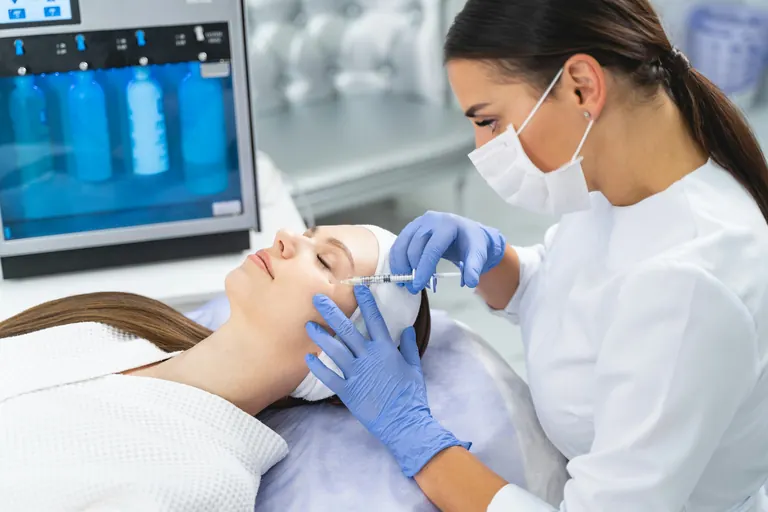
Botox (OnabotulinumtoxinA): Botox is a purified neurotoxin derived from Clostridium botulinum. It temporarily relaxes targeted facial muscles responsible for dynamic wrinkles such as forehead lines, frown lines, and crow’s feet. Approved by the FDA for cosmetic use in 2002, Botox is one of the most extensively studied aesthetic treatments worldwide.
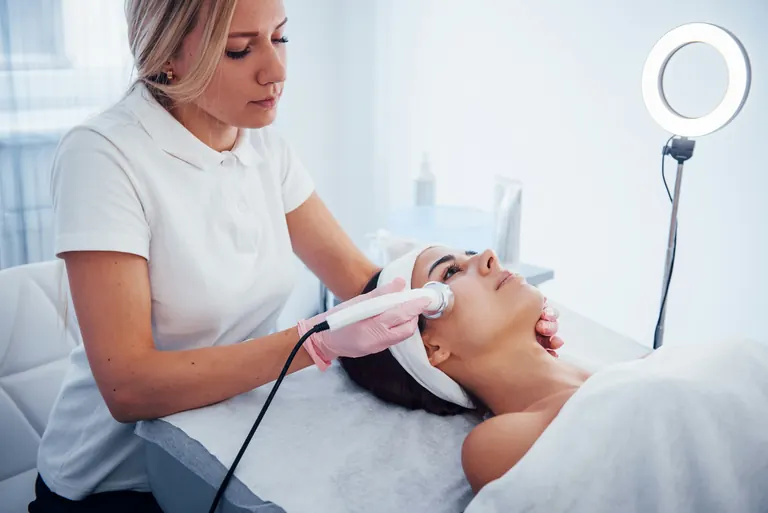
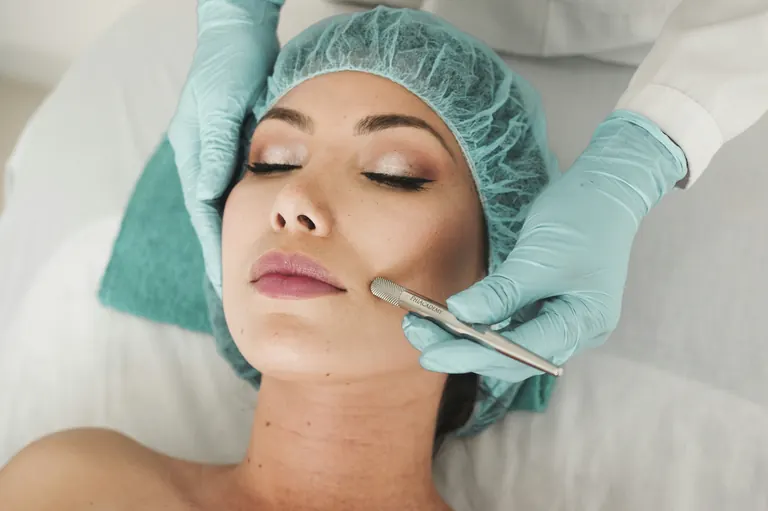
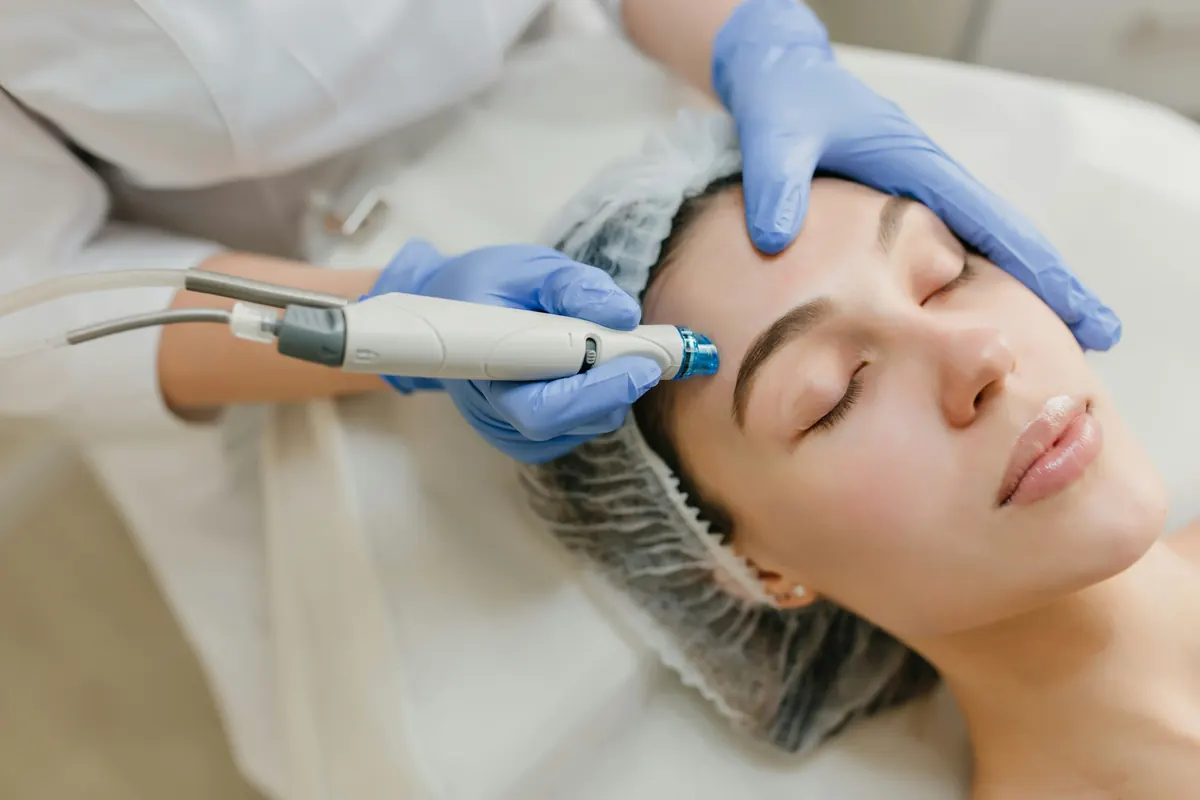
Microneedling (Collagen Induction Therapy): Microneedling is a minimally invasive procedure that uses fine, sterile needles to create controlled micro-injuries in the skin. These microchannels stimulate the body’s natural wound-healing process, increasing collagen and elastin production. Microneedling has been used in dermatology for decades and is often enhanced with serums, PRP, or radiofrequency.
1.2 Mechanism of Action
- Botox: Blocks acetylcholine release at the neuromuscular junction, preventing muscle contraction. This relaxes facial expressions and smooths wrinkles caused by repetitive movement.
- Microneedling: Triggers skin regeneration by activating fibroblasts, improving collagen density, skin texture, tone, and elasticity over time.
1.3 FDA Status and Clinical Use
- Botox: FDA-approved for multiple cosmetic and medical indications, including wrinkles, migraines, excessive sweating, and muscle disorders.
- Microneedling: FDA-cleared devices are used for skin resurfacing, acne scars, fine lines, enlarged pores, and overall skin rejuvenation.
2. How Botox and Microneedling diverge
2.A Purpose and Treatment Focus
- Botox: Targets dynamic wrinkles caused by facial muscle movement. It does not improve skin texture, pores, or pigmentation.
- Microneedling: Focuses on skin quality issues such as fine lines, acne scars, uneven tone, enlarged pores, and dull texture rather than muscle activity.
2.B Common Treatment Areas
| Area | Botox | Microneedling |
|---|---|---|
| Forehead Lines | ✔ Highly effective | ✔ Improves fine lines & texture |
| Crow’s Feet | ✔ Excellent | ✔ Limited benefit |
| Acne Scars | ✖ Not effective | ✔ Gold-standard non-laser option |
| Pores & Texture | ✖ | ✔ Significant improvement |
| Neck & Décolletage | ⚠ Limited | ✔ Commonly treated |
| Under Eyes | ✔ With expert injector | ✔ Improves crepey skin |
2.C Onset of Results
- Botox: Visible improvement within 3–5 days, full results in 10–14 days.
- Microneedling: Gradual improvement over weeks as collagen rebuilds; optimal results seen after multiple sessions.
2.D Duration of Results
- Botox: 3–4 months on average.
- Microneedling: Results accumulate over time and can last 6–12 months with maintenance.
3. Effectiveness in practice
3.A Wrinkle Reduction
- Botox: Highly effective for expression-related wrinkles; prevents deepening of lines when used consistently.
- Microneedling: Softens fine static lines by improving skin thickness and elasticity, but does not stop muscle movement.
3.B Skin Quality Improvements
- Botox: Minimal impact on skin tone, texture, or scarring.
- Microneedling: Improves collagen, reduces acne scars, smooths texture, tightens pores, and enhances overall radiance.
3.C Long-Term Skin Health
- Botox: Prevents wrinkle formation but does not regenerate skin.
- Microneedling: Strengthens skin structure, improves barrier function, and supports long-term skin health.
4. What each one costs
4.A Average Cost Per Session
- Botox: $300–$700 depending on units and areas treated.
- Microneedling: $250–$600 per session; RF or PRP microneedling can cost $600–$1,200.
4.B Maintenance Frequency
- Botox: Every 3–4 months.
- Microneedling: Typically 3–6 sessions initially, then maintenance every 6–12 months.
4.C Long-Term Cost Considerations
- Botox requires ongoing treatments for sustained results.
- Microneedling offers cumulative benefits that may reduce frequency over time.
5. Side effects and risk
5.A Common Side Effects
- Botox: Mild bruising, swelling, headache, temporary muscle weakness.
- Microneedling: Redness, mild swelling, pinpoint bleeding, temporary sensitivity.
5.B Rare Risks
- Botox: Eyelid drooping, asymmetry, frozen appearance if overdosed.
- Microneedling: Infection, hyperpigmentation (rare when performed correctly).
5.C Downtime Comparison
- Botox: Minimal to none.
- Microneedling: 1–3 days of redness; deeper treatments may require up to 5 days.
6. Ideal Candidates: Who Should Choose Which?
Botox Is Best For:
- Patients with dynamic wrinkles.
- Those seeking fast, predictable results.
- Individuals interested in wrinkle prevention.
Microneedling Is Best For:
- Patients with acne scars, uneven texture, or dull skin.
- Those wanting overall skin rejuvenation.
- Individuals preferring collagen-stimulating treatments.
Consider Combining Both
- Botox relaxes muscles.
- Microneedling improves skin quality.
- Together, they address both causes of visible aging.
7. What the professionals say
7.1 Provider Insights
- Botox: Considered the gold standard for wrinkle relaxation.
- Microneedling: Highly valued for improving skin quality without lasers.
7.2 Patient Feedback
- Botox users love immediate smoothing.
- Microneedling patients appreciate gradual but lasting skin improvements.
7.3 Before-and-After Results
- Botox: Smoother expression lines.
- Microneedling: Brighter skin, refined pores, reduced scars.
8. Combination Treatments
8.1 Can You Combine Botox and Microneedling?
Yes. Botox should be done first, followed by microneedling after 1–2 weeks to avoid toxin migration.
8.2 Synergistic Benefits
- Botox prevents wrinkle formation.
- Microneedling repairs and strengthens skin.
8.3 Maintenance Strategy
- Botox every 3–4 months.
- Microneedling once or twice a year after initial series.
Final Thoughts: Botox vs. Microneedling
Botox and microneedling are not competitors, they are complementary treatments addressing different layers of aging. Botox is ideal for relaxing facial muscles and preventing wrinkles, while microneedling improves skin texture, tone, and long-term quality.
Choosing the right treatment depends on your concerns, timeline, and desired outcome. In many cases, combining Botox and microneedling delivers the most comprehensive and natural-looking rejuvenation possible.
Always consult a qualified provider to design a personalized treatment plan that aligns with your skin goals and lifestyle.

Microneedling is studied for texture, not for movement
The research on microneedling and its radiofrequency variants measures a specific and consistent set of things, and dynamic wrinkles are not among them.
A 2026 split-face study in Lasers in Medical Science is representative. Twenty participants had one side of the face treated with one fractional microneedle radiofrequency device and the other side with a second device, assessed on melanin index, erythema index, stratum corneum hydration, sebum and dermal density, for photoaging and atrophic acne scars.
Those endpoints describe skin quality: pigment, redness, hydration, oil, and how dense the dermis is. They are the right endpoints for what the treatment does, which is create controlled injury so the skin responds by remodelling.
Botulinum toxin is measured on entirely different endpoints. Its trials grade wrinkle severity at maximum frown or maximum smile, because the thing being treated only exists during movement.
So the comparison is between a treatment for the condition of your skin and a treatment for what your muscles do to it. If your complaint is texture, scarring, pores or sun damage, microneedling is aimed at your problem and a neurotoxin is not. If your complaint is a line that deepens when you frown, the reverse holds. Combining them is common and reasonable, and our aftercare guide covers the two-week interval most injectors ask for between the two.
Frequently asked questions
Which one is right for my lines?
Do the stretch test first, because it settles most of the question. Gently pull the skin either side of the line apart. If the line largely disappears, it is a movement line and a neurotoxin is the tool. If it stays, it is etched into the skin and microneedling is on the right side of the problem. This is not a rule of thumb: neurotoxin trials formally exclude people whose lines do not lessen when the skin is spread apart.
How many microneedling sessions are needed?
It is sold as a course rather than a single treatment, because it works by provoking a controlled healing response that accumulates. That is the structural difference from a neurotoxin, which is one appointment repeated when it fades. Compare a full course plus maintenance against a year of neurotoxin treatments rather than one session against one session.
Is at-home microneedling the same thing?
No, and the distinction matters for safety rather than only for results. Professional devices reach depths that home rollers do not, under conditions intended to be sterile. The relevant cautionary case here is not about depth at all: the CDC documented HIV transmission at an unlicensed spa offering microneedling with platelet-rich plasma, where the failure was needle handling. Anything that breaks skin is an infection-control question first.
What does recovery look like compared with Botox?
They are not comparable. A neurotoxin appointment has essentially no downtime beyond staying upright for a few hours. Microneedling leaves visible redness and swelling that settles over days, with the skin rough while it recovers. If you are planning around an event, the lead times are completely different.
Can I have both?
Commonly done, since they address unrelated causes. The question worth asking is spacing: microneedling leaves skin inflamed and creates channels through it, while a neurotoxin is placed into muscle beneath. Most providers separate them for that reason, and a provider with no view either way is worth a second thought.
Sources
Every figure on this page was read from the documents below rather than from a clinic or a manufacturer's marketing. They open in a new tab so you can check any claim here against its source.
- BOTOX Cosmetic prescribing information, FDA via DailyMed
- Botulinum toxin treatment overview, American Academy of Dermatology
- Botulinum toxin, American Society of Plastic Surgeons
- Fractional microneedle radiofrequency for photoaging and atrophic acne scar: a split-face clinical observation, Lasers in Medical Science, 2026