Botox vs. Botulism: The Comparison Guide
Reviewed for medical accuracy against our Medical Review Board · Last updated 15 August 2026
Part of Botox Guides: Basics, Dosing and Safety
Same bacterium, opposite outcomes. The dose is the entire difference.
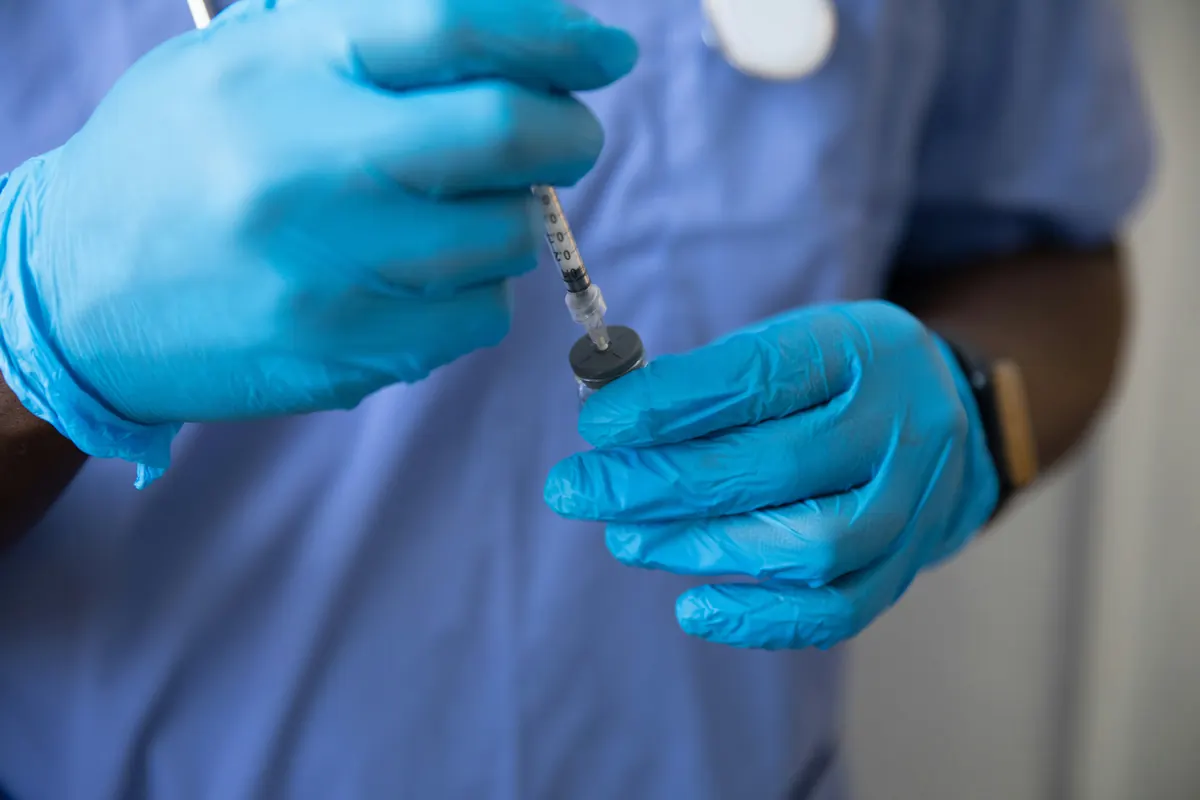
Botox and botulism are connected but very different. Botox is a purified, medically controlled product. Botulism is a rare, serious illness caused by uncontrolled exposure to the same toxin family.
In this comprehensive guide, we will compare Botox and botulism, how they relate to the broader terms botulinum toxin and neurotoxin, and what to know if you notice unusual symptoms after treatment.
1. Two different treatments: Botox and Botulism
1.1 Definitions and Origins
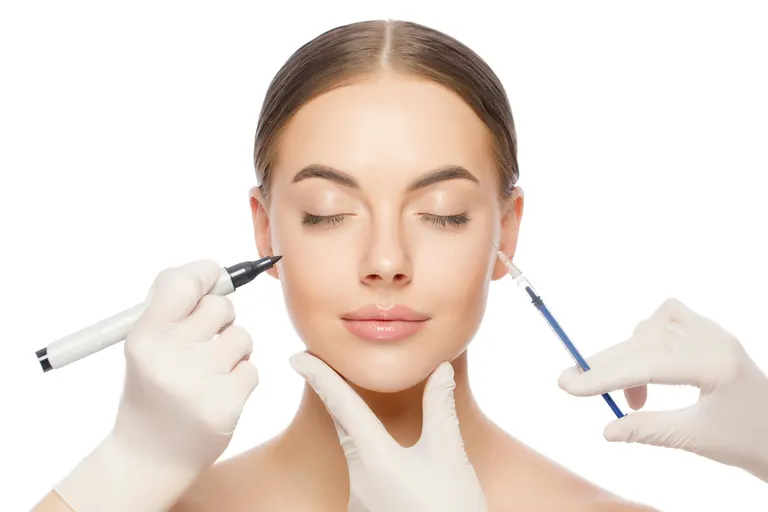
Botox (OnabotulinumtoxinA): A purified, medically controlled form of botulinum toxin type A, approved by the FDA in 2002 for cosmetic use and since 1989 for medical use. Developed by Allergan, Botox works by temporarily blocking nerve signals to specific muscles.
Botulism: A rare, serious illness from uncontrolled exposure to botulinum toxin, usually from contaminated food, an infected wound, or ingested spores in infants. It can cause paralysis and needs emergency treatment.
1.2 Mechanism of Action
- Botox: A precise, tiny dose is injected into one targeted muscle, where it blocks acetylcholine and causes localized, temporary relaxation.
- Botulism: A large, uncontrolled amount of toxin enters the body and spreads systemically, blocking nerve signals throughout the body and causing widespread muscle paralysis.
1.3 FDA Approval and Global Use
- Botox: Widely used and FDA approved for both cosmetic and medical indications, with a well documented safety record.
- Botulism: Not a treatment or approved product. It is a reportable illness tracked by public health authorities worldwide.
2. Where Botox and Botulism genuinely differ
2.A Purpose and Function
- Botox: A deliberate, therapeutic tool used to relax a specific muscle for cosmetic or medical benefit.
- Botulism: An unintended, dangerous illness with no therapeutic purpose or benefit.
2.B Terminology Comparison
| Term | What It Means | Danger Level |
|---|---|---|
| Neurotoxin | Broad category of toxins acting on nerves | Varies widely |
| Botulinum Toxin | Specific neurotoxin made by Clostridium botulinum | High in raw, uncontrolled form |
| Botox | Purified, diluted pharmaceutical brand | Low at approved medical doses |
| Botulism | The disease caused by toxin poisoning | Severe, potentially fatal |
2.C Onset and Duration
- Botox: Results appear in 3–5 days, peak at 2 weeks, and last 3–4 months before the effect wears off completely.
- Botulism: Symptoms can appear within hours to days of exposure and, without treatment, can worsen rapidly and last for weeks or months of recovery.
2.D Scope of Effect
- Botox: Stays localized to the specific muscle injected, with no meaningful spread through the body at approved doses.
- Botulism: Spreads throughout the body, affecting breathing, swallowing, and multiple muscle groups.
3. Results compared
3.A Purpose in Practice
- Botox: Effective for softening expression lines and treating conditions such as migraines and excessive sweating.
- Botulism: Has no beneficial effect. It is treated as a medical emergency, not a therapy.
3.B Recovery Timeline
| Condition | Typical Timeline |
|---|---|
| Botox Effect | 3–4 months, then fully reversible |
| Botulism Illness | Weeks to months of hospital recovery |
3.C Are They Ever Related in Practice?
- Cosmetic and medical Botox doses are far too small and localized to cause botulism in a healthy patient treated by a licensed provider.
4. The real cost of each
4.A Average Cost
- Botox: $12–$20 per unit. Common cosmetic areas cost $250–$600 per session.
- Botulism: Not a purchased treatment. Hospital care, antitoxin administration, and possible ICU stays can cost tens of thousands of dollars.
4.B Cost Comparison Table
| Item | Botox (Elective) | Botulism (Emergency) |
|---|---|---|
| Typical Setting | Medical spa or clinic | Hospital emergency department |
| Typical Cost | $250–$1,000 | $10,000–$100,000+ |
| Coverage | Rarely insured (cosmetic) | Insured as emergency care |
4.C Ongoing Costs
- Botox requires planned, repeat treatment every 3–4 months as a personal choice.
- Botulism recovery may involve extended rehabilitation, unrelated to any elective treatment schedule.
4.D Insurance Coverage
- Cosmetic Botox is not covered by insurance, while medical Botox may be covered for a diagnosed condition.
- Botulism treatment is covered as emergency medical care under standard health insurance.
5. Risks worth knowing about
5.A Common Effects
- Botox: Redness, swelling, bruising, temporary headache.
- Botulism: Blurred vision, difficulty swallowing, muscle weakness, and progressive paralysis.
5.B Rare but Serious Signs
- Botox: Rarely, symptoms suggesting toxin spread beyond the injection site, such as widespread weakness or breathing difficulty, require urgent medical care.
- Botulism: Respiratory failure is the most serious risk and requires immediate emergency treatment.
5.C When to Seek Help
- Botox: Mild bruising or a headache is normal. Difficulty breathing or swallowing after treatment is not, and needs urgent attention.
- Botulism: Any suspected case requires immediate emergency care, since it can progress quickly.
6. Who Should Know These Terms, and Why It Matters
Understanding "Botox" Matters For:
- Anyone considering a cosmetic or medical botulinum toxin treatment.
- Patients who want to understand what is actually being injected.
- Providers explaining treatment options clearly to patients.
Understanding "Botulism" Matters For:
- Anyone reassured that approved, low dose Botox is unrelated to the illness.
- Patients recognizing symptoms that need urgent medical attention.
- Public health awareness around food safety and wound care.
Factors to Consider
- The dose and control make Botox safe, not the absence of toxin
- Botulism is about exposure and scale, not a treatment gone wrong
- A licensed provider is the key safeguard between the two
7. Real-World Experience & Expert Opinions
7.1 What Providers Say
- Patients often confuse Botox with botulism, though the two are worlds apart in dose and control.
- Understanding the terminology helps patients feel confident before treatment.
- Providers routinely explain this distinction during consultation.
7.2 Patient Perspectives
- "I always thought Botox and botulism were the same thing until my provider explained the dose difference."
- "Learning that Botox is a purified, controlled amount of the toxin made me feel much more comfortable."
- "I appreciated my injector explaining what neurotoxin actually means before my first treatment."
7.3 Key Takeaways
- Botox: A controlled, tiny, targeted dose used for cosmetic or medical benefit.
- Botulism: An uncontrolled, systemic illness with no therapeutic purpose.
8. How Botox Relates to Botulinum Toxin and Neurotoxins
8.1 Is Botox a Neurotoxin?
Yes. Botox is one specific brand within the broader neurotoxin category. Neurotoxin covers any substance that acts on the nervous system, while botulinum toxin is the specific type Botox is derived from.
8.2 The Terminology Hierarchy
- Neurotoxin is the broadest category, covering substances that affect nerve function
- Botulinum toxin is the specific neurotoxin from Clostridium botulinum bacteria
- Botox is one purified, branded product made from botulinum toxin type A
8.3 How to Use These Terms Correctly
- Use "Botox" only when referring to the specific AbbVie brand product
- Use "botulinum toxin" for the drug class generally, including Dysport and Xeomin
- Use "botulism" only when referring to the illness, never as another name for a cosmetic treatment
9. Medical vs. Cosmetic Uses
| Term | Cosmetic Use | Medical Use |
|---|---|---|
| Botox | ✅ | ✅ |
| Botulinum Toxin (general) | ✅ | ✅ |
| Neurotoxin (general term) | ❌ | ❌ |
| Botulism | ❌ | ❌ |
Botox and other botulinum toxin brands have real cosmetic and medical uses. Neurotoxin and botulism describe categories and conditions rather than treatments themselves.
10. Quick Reference: Which Term Applies?
10.1 What to Consider
- Are you describing a specific product, or the drug class in general?
- Are you discussing a planned treatment, or a suspected illness?
- Would a doctor need to hear "Botox" or "botulism" to understand your concern correctly?
10.2 Consultation Tips
- Ask your provider to explain exactly which product they are using
- Report any widespread weakness or breathing changes immediately, using clear language
- Do not hesitate to ask basic terminology questions before treatment
10.3 Choosing the Right Provider
- Choose a licensed provider who sources genuine, traceable product
- Ask how they would respond if you had an unusual reaction
- Confirm they can explain the difference between these terms clearly
Final Thoughts: Botox vs. Botulism
Botox and botulism share a common origin but sit at opposite ends of the same spectrum. Botox is purified and closely regulated. Botulism is uncontrolled, dangerous, and has no therapeutic value.
Understanding neurotoxin and botulinum toxin explains why one protein can be both a trusted treatment and a serious disease, depending entirely on dose and control.
Always choose a licensed provider using genuine, traceable product, and never hesitate to ask questions about exactly what is being injected.

Frequently asked questions
Can cosmetic Botox give me botulism?
Botulism is a serious illness caused by botulinum toxin acting throughout the body. Cosmetic treatment uses an extremely small, purified, standardised quantity placed into a specific muscle, which is a completely different exposure from ingesting or absorbing toxin systemically. What the labels do warn about, on every product in this class, is distant spread of toxin effect: symptoms consistent with botulinum toxin appearing away from the injection site, reported hours to weeks afterwards.
What symptoms should make me seek help?
The boxed warning names the ones that matter: difficulty swallowing, difficulty breathing, difficulty speaking, generalised muscle weakness, double or blurred vision, drooping eyelids and loss of bladder control. Swallowing and breathing difficulties can be life threatening. These are urgent-care symptoms, not wait-and-see symptoms, and that guidance is on the label rather than being our caution.
Why is a poison used as a medicine at all?
Because dose and location are what separate a toxin from a therapy, which is true across a great deal of medicine. The mechanism is precise: the toxin cleaves a protein called SNAP-25, which stops nerve terminals releasing acetylcholine, so a targeted muscle contracts less. Delivered in micrograms into a specific muscle, that is a controlled and reversible effect.
Is the risk higher with larger doses?
The labels are explicit that the risk of spread is greatest in patients treated for conditions requiring far larger doses than cosmetic use, such as spasticity, and in those with underlying neuromuscular disorders. That is why the cumulative dose across all indications is supposed to be considered, and why an honest injector will ask what else you have had and when.
Does the type of botulinum toxin matter?
All the approved cosmetic products are botulinum toxin type A, and all carry the same boxed warning about distant spread. They differ in the accessory proteins present, in their potency assays and in what each is approved to treat. None of those differences changes the class warning, and none makes one product exempt from it.
Sources
Every figure on this page was read from the documents below rather than from a clinic or a manufacturer's marketing. They open in a new tab so you can check any claim here against its source.
- BOTOX Cosmetic prescribing information, FDA via DailyMed
- OnabotulinumtoxinA injection, MedlinePlus, US National Library of Medicine