
Botox Guides: Basics, Dosing and Safety

If you are new to Botox, read these before you book anything. They cover what it actually is, how many units your treatment will need, what it should cost, and how to look after the result.
See all 24 guidesMost bad Botox outcomes are not caused by the product. They come from an inappropriate dose, an inexperienced injector, or expectations that were never realistic for what a neurotoxin can do. All three are avoidable with an hour of reading beforehand.
These guides go in the order a first-time patient actually needs them: what Botox is and how it works, how many units each area takes, what that should cost, how to prepare, and what to do afterwards.
At a glance
| Guide | Answers | Read it when |
|---|---|---|
| The Ultimate Botox Guide | What Botox is, how it works, the timeline and what to expect | Before anything else |
| Units Guide + Calculator | How many units each treatment area typically needs | When planning your treatment |
| Botox Price Guide | What Botox costs per unit and per area, and why prices vary | Before you compare quotes |
| Pre-Botox Guide | How to prepare, what to avoid beforehand, what to ask | In the week before your appointment |
| Aftercare Guide | What to avoid afterwards and why, and how results settle | Immediately after treatment |
| Baby Botox vs Regular Botox | Whether a lighter dose is right for you | If you want subtle, or it is your first time |
| Botox Cosmetic vs Medical Botox | Why the same drug carries two labels | If you are exploring insurance coverage |
| Botox vs Botulism | Why the toxin behind botulism is safe at cosmetic doses | If safety is your main worry |
| 14 Botox Myths | The claims that are simply untrue | Any time |
How to choose
- It is your first treatment
- Start with the Ultimate Botox Guide, then the Units Guide so you can sanity-check the dose you are quoted.
- You are comparing quotes between clinics
- Read the Price Guide first. Per-unit prices are not comparable across brands, and a low unit rate can still mean a higher bill.
- You are worried about looking frozen
- Read Baby Botox vs Regular Botox. An overly frozen result is a dosing and placement problem, not something inherent to the product.
- You are nervous about safety
- Read Botox vs Botulism and the myths guide. Most fears about Botox trace back to confusion between a controlled cosmetic dose and uncontrolled toxin exposure.
- You have just been treated
- The Aftercare Guide covers the first 24 hours, which is when your behaviour genuinely affects the result.
Treating a specific area
Dosing, risk and even whether Botox is the right product change area by area. Our first area guide covers the one people ask about most and understand least: Botox under the eyes, which is off-label, uses only 2 to 4 units a side, and does nothing at all for under-eye bags.
Where to start, depending on where you are
These nine guides cover the whole arc of a Botox decision, from wondering whether it is for you through to managing results months later. They are easier to use in sequence than at random.
If you are still deciding, begin with the complete Botox guide, which covers what the toxin is, how it works on the nerve and what it realistically does. Then read 14 Botox myths, because a surprising amount of what people believe about Botox, including that it is a filler, that it is permanent, and that stopping makes wrinkles worse, is simply wrong. If the word "toxin" is what gives you pause, Botox and botulism explains the relationship between the two honestly, including why the doses are not comparable.
If you have decided and want to plan, the units and dosing guide tells you roughly how many units each area takes, which is the only way to turn a per-unit price into an actual number. Pair it with the price guide to understand what you should be paying, and with baby Botox versus regular Botox if you want a lighter result rather than full movement reduction.
If you have an appointment booked, the pre-Botox guide covers what to stop taking and when, and the aftercare guide covers the first 24 hours and the following weeks. Both matter more than people expect: most avoidable problems come from what happens either side of the appointment, not from the injection itself.
If you are considering Botox for a medical reason rather than a cosmetic one, cosmetic versus medical Botox explains how the two differ in dosing, provider and insurance treatment, which is usually the most consequential difference.
Once you know what you want, our city guides compare real clinics on published price, verified rating and named injectors.
All 30 guides in this category
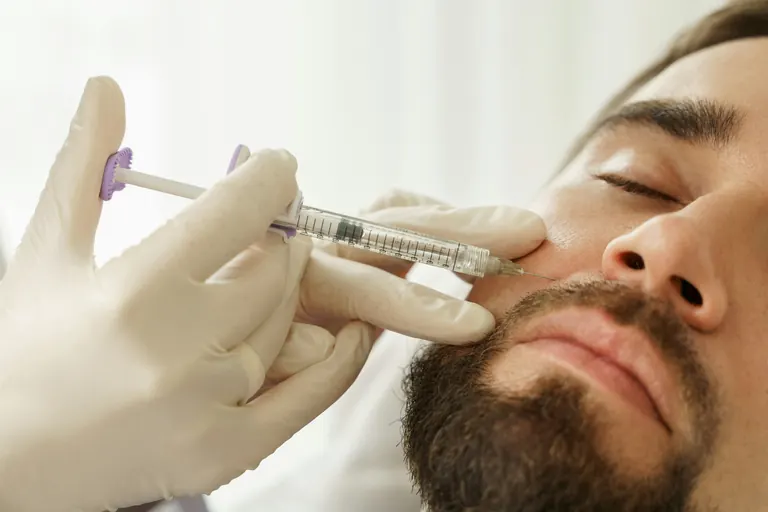 Botox BasicsBotox for Men
Botox BasicsBotox Units Per Area
Botox BasicsLiquid Botox, Face Lifts and At-Home Kits
Botox BasicsWhat Is Botox Made Of? Three Ingredients, and One Strange Unit
Botox BasicsBotox for Men
Botox BasicsBotox Units Per Area
Botox BasicsLiquid Botox, Face Lifts and At-Home Kits
Botox BasicsWhat Is Botox Made Of? Three Ingredients, and One Strange Unit
 Botox SafetyBotox Gone Wrong
Botox BasicsHow Long Does Botox Last? What the Trial Data Shows, and When You Can Rebook
Botox SafetyBotox Gone Wrong
Botox BasicsHow Long Does Botox Last? What the Trial Data Shows, and When You Can Rebook
 Medical BotoxEvery FDA-Approved Therapeutic Use
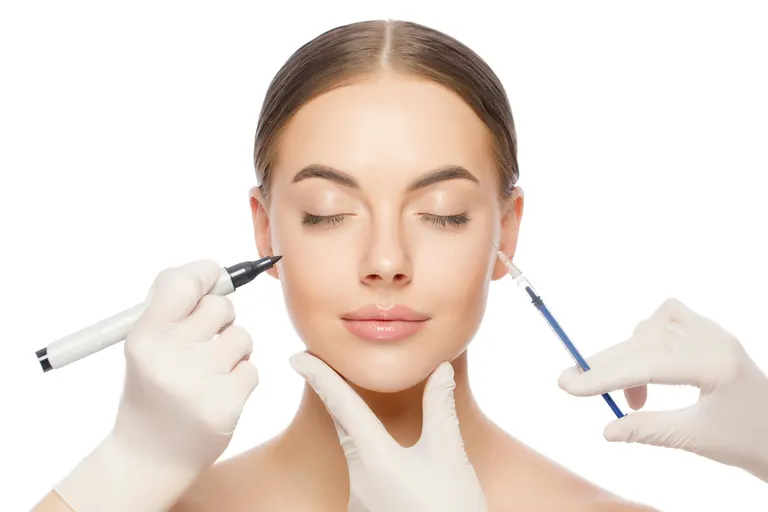 Botox Treatment AreasBotox by Facial Area: Every Zone
 Botox CostsBotox Deals and Discounts
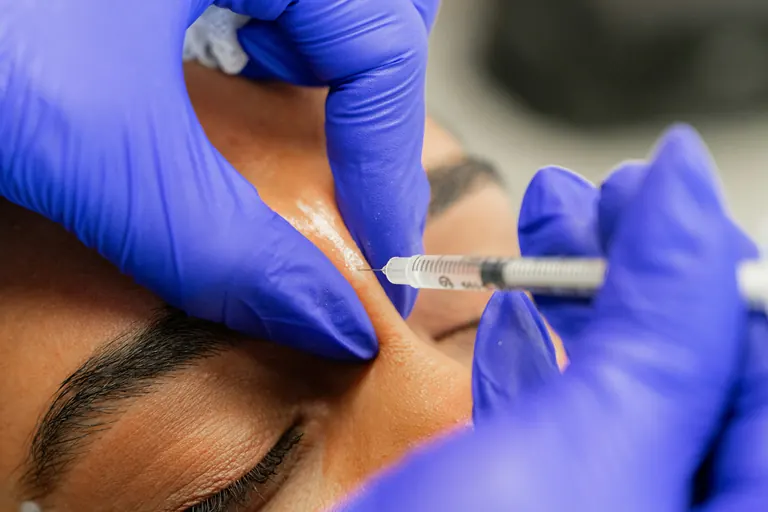 Botox Treatment AreasThe Botox Brow Lift
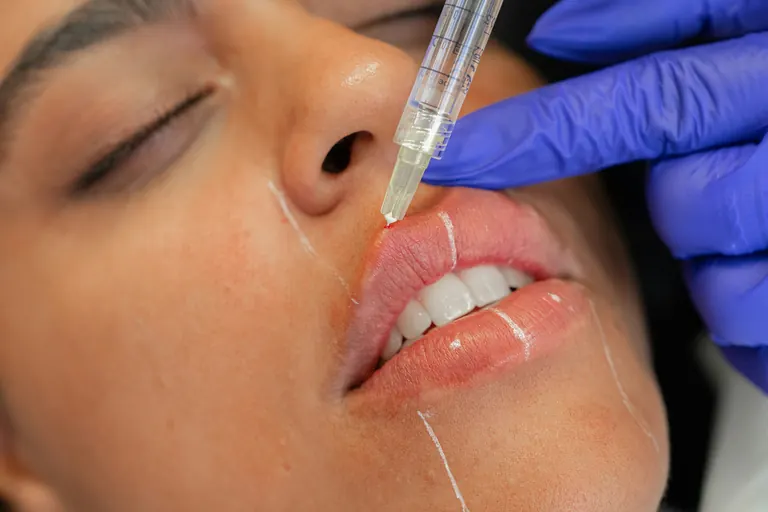 Botox Treatment AreasThe Botox Lip Flip
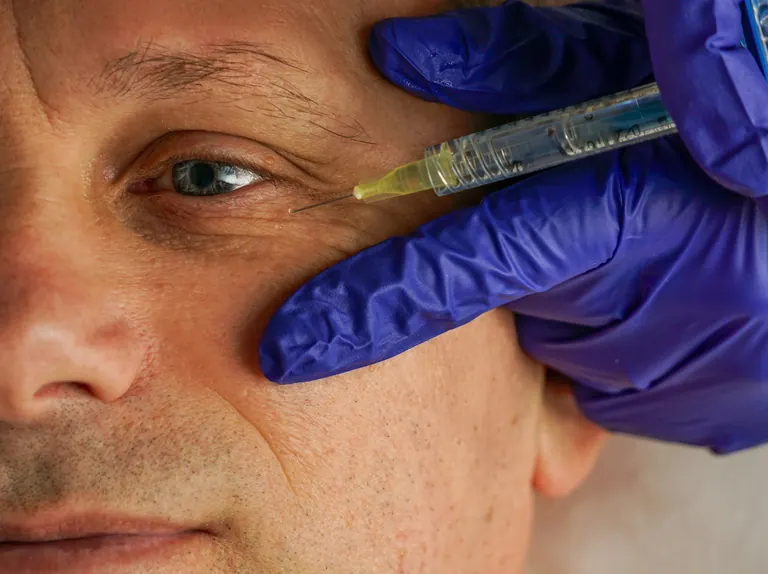 Botox Side EffectsDroopy Eyelid After Botox
 Botox Side EffectsHeadache After Botox
 Medical BotoxBotox for Excessive Sweating (Hyperhidrosis)
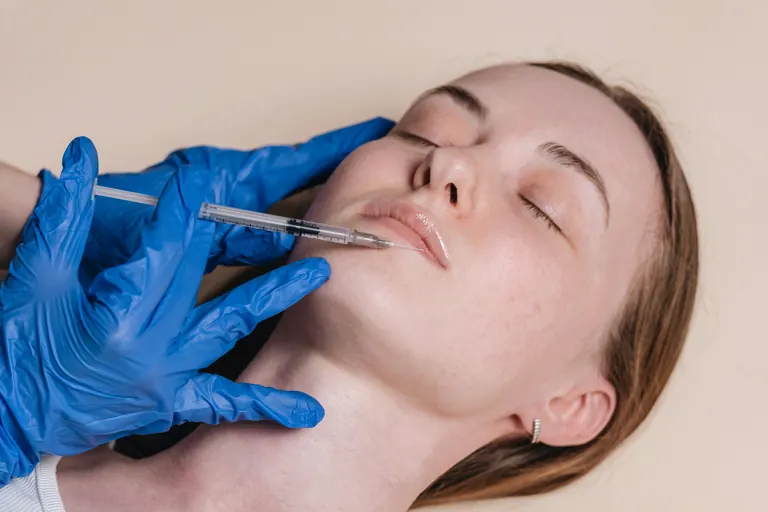 Treatment areaNeck Botox and Platysmal Bands
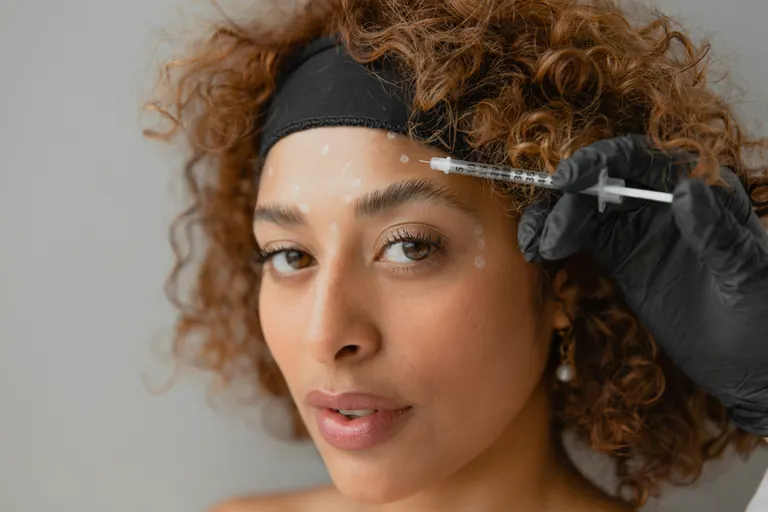 Medical BotoxBotox for Chronic Migraine
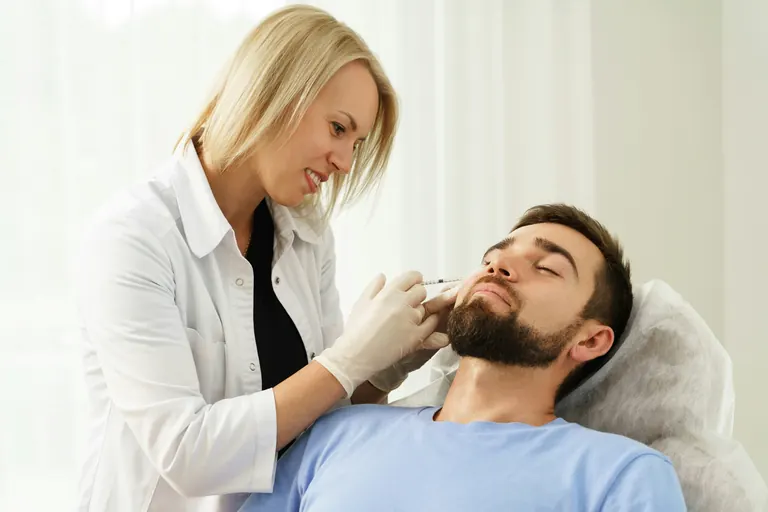 Treatment areaMasseter Botox for Jaw Slimming
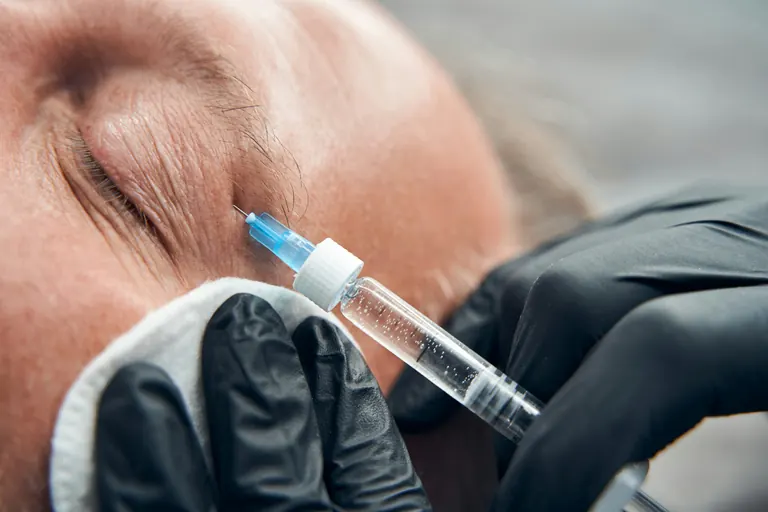 Treatment areaBotox for Crow's Feet
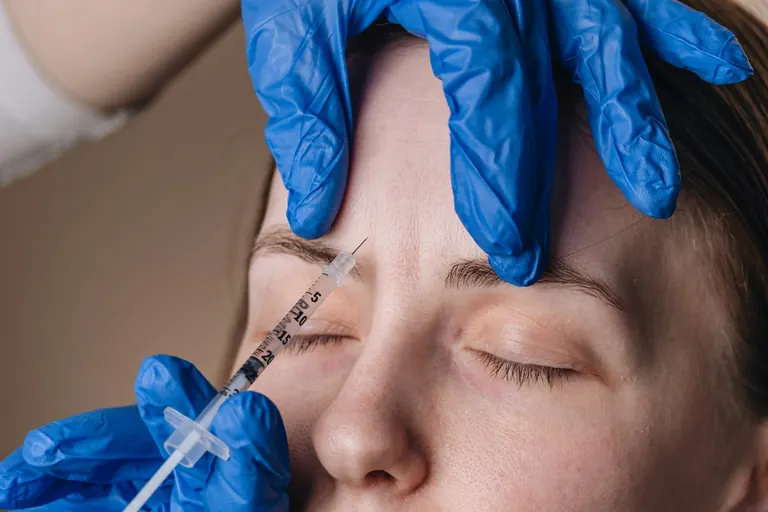 Treatment areaBotox for Frown Lines and the Glabella
Treatment areaBotox for Forehead Lines
Treatment areaBotox for Frown Lines and the Glabella
Treatment areaBotox for Forehead Lines
 Before you bookHow to Verify a Botox Injector's License: All 50 States
In-depth guideThe Ultimate Botox Guide: How It Works, Timeline, Results, and Aftercare
In-depth guideGuide: How Many Botox Units Do You Need Per Body Part? + Calculator
In-depth guideThe Ultimate Botox Price Guide + Calculator
In-depth guideThe Ultimate Pre-Botox Guide
In-depth guideThe Ultimate Botox Aftercare Guide
Before you bookHow to Verify a Botox Injector's License: All 50 States
In-depth guideThe Ultimate Botox Guide: How It Works, Timeline, Results, and Aftercare
In-depth guideGuide: How Many Botox Units Do You Need Per Body Part? + Calculator
In-depth guideThe Ultimate Botox Price Guide + Calculator
In-depth guideThe Ultimate Pre-Botox Guide
In-depth guideThe Ultimate Botox Aftercare Guide
 ComparisonBaby Botox vs. Regular Botox: The Comparison Guide
 ComparisonBotox Cosmetic vs. Medical Botox: The Comparison Guide
 ComparisonBotox vs. Botulism: The Comparison Guide
 Myth-busting14 Botox Myths and Misconceptions
Frequently asked questions
How many units of Botox will I need?
How much should Botox cost?
Is Botox safe?
How long does it take to see results?
Other categories
Sources
Every figure on this page was read from the documents below rather than from a clinic or a manufacturer's marketing. They open in a new tab so you can check any claim here against its source.
- BOTOX Cosmetic prescribing information, FDA via DailyMed
- Botulinum toxin treatment overview, American Academy of Dermatology
- Botulinum toxin, American Society of Plastic Surgeons