Botox Cosmetic vs. Medical Botox: The Comparison Guide
Reviewed for medical accuracy against our Medical Review Board · Last updated 15 August 2026
Part of Botox Guides: Basics, Dosing and Safety
Identical vials, two labels, and only one of them your insurer might pay for.
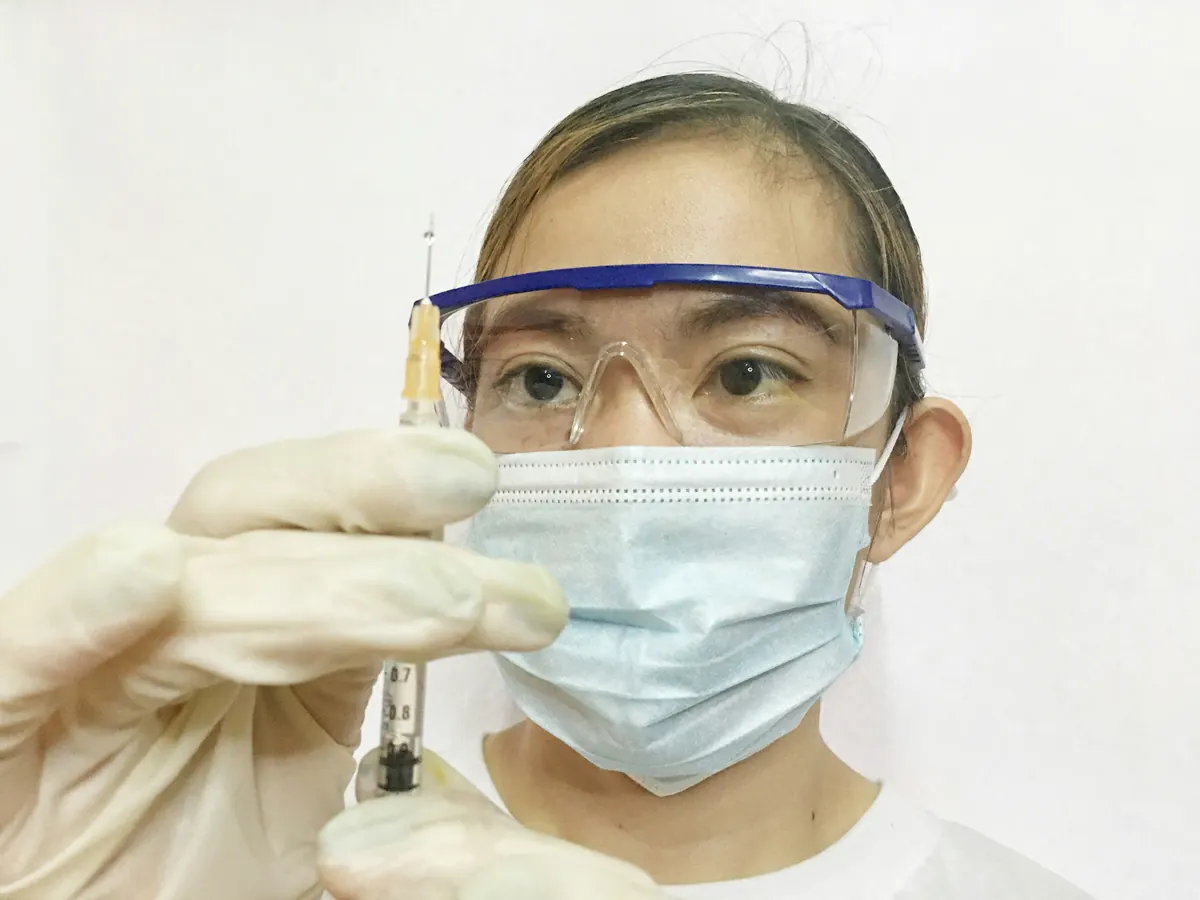
Botox Cosmetic and medical Botox are not different drugs. Both are the same onabotulinumtoxinA formulation, made by AbbVie, labeled differently depending on the FDA approved indication.
In this comprehensive guide, we will compare Botox Cosmetic and medical Botox in terms of how they work, costs, insurance, and which label applies to your situation.
1. Understanding Botox Cosmetic and Medical Botox
1.1 Definitions and Origins
Botox Cosmetic: The FDA approved formulation of Botox marketed for aesthetic use, such as reducing frown lines, forehead lines, and crow's feet. It was first approved for cosmetic use in 2002.
Medical Botox: The same onabotulinumtoxinA product, labeled for therapeutic indications. It was originally approved in 1989 for eye muscle disorders, then later expanded to conditions including chronic migraine, cervical dystonia, and severe sweating.
1.2 Mechanism of Action
- Botox Cosmetic: Blocks acetylcholine at facial muscles, softening the wrinkles created by repeated expressions such as frowning or squinting.
- Medical Botox: Uses the same acetylcholine blocking action, applied to different muscles or nerve endings depending on the condition being treated.
1.3 FDA Approval and Global Use
- Botox Cosmetic: FDA approved for glabellar lines, crow's feet, forehead lines and platysma bands in the neck, with approvals added over time since 2002 and the platysma joining in October 2024.
- Medical Botox: FDA approved for chronic migraine, cervical dystonia, hyperhidrosis, overactive bladder, spasticity, and eyelid or eye muscle disorders, with the first approval dating to 1989.
2. How Botox Cosmetic and Medical Botox diverge
2.A Purpose and Function
- Botox Cosmetic: Softens dynamic wrinkles for aesthetic improvement.
- Medical Botox: Treats a diagnosed medical condition, such as migraine frequency or excessive muscle spasm.
2.B Common Treatment Areas
| Indication | Botox Cosmetic | Medical Botox |
|---|---|---|
| Forehead Lines | ✅ | ❌ |
| Crow’s Feet | ✅ | ❌ |
| Chronic Migraine | ❌ | ✅ |
| Underarm Sweating | ❌ | ✅ |
| Cervical Dystonia | ❌ | ✅ |
| Overactive Bladder | ❌ | ✅ |
2.C Onset and Duration
- Botox Cosmetic: Results appear in 3–5 days, peak at 2 weeks, and last 3–4 months.
- Medical Botox: Onset varies by condition, but effects generally last around 12 weeks, matching the standard retreatment schedule.
2.D Dosing and Protocol
- Botox Cosmetic: Typically uses 20 to 64 units, depending on the areas treated.
- Medical Botox: Uses condition-specific, standardized protocols, such as 155 units across 31 sites for chronic migraine.
3. Effectiveness in practice
3.A Anti-Aging Focus
- Botox Cosmetic: Best for expression lines, including the forehead, crow's feet, and between the brows.
- Medical Botox: Best for reducing symptom frequency and severity in an FDA approved medical condition.
3.B Longevity of Results
| Use | Typical Duration |
|---|---|
| Botox Cosmetic | 3–4 months |
| Medical Botox | ~12 weeks |
3.C Ideal for Combined Treatment?
- Many patients receiving medical Botox for migraines also notice a cosmetic benefit, since the standard migraine protocol already covers the forehead and frown lines.
4. What each one costs
4.A Average Cost Per Session
- Botox Cosmetic: $12–$20 per unit. Common areas cost $250–$600 per session.
- Medical Botox: Often $1,000–$1,500 without insurance, though copays are typically much lower once approved.
4.B Total Treatment Cost by Indication
| Indication | Without Insurance | With Insurance Approval |
|---|---|---|
| Forehead Lines (Cosmetic) | $250–$500 | Not applicable |
| Chronic Migraine (Medical) | $1,000–$1,500 | Copay only |
| Underarm Sweating (Medical) | $1,000–$1,500 | Copay only |
4.C Maintenance Costs
- Botox Cosmetic typically requires repeat treatment every 3–4 months.
- Medical Botox generally follows a fixed 12 week schedule set by the treating physician.
4.D Insurance Coverage
- Botox Cosmetic is never covered by insurance, since it is classified as an elective aesthetic treatment.
- Medical Botox is often covered once a diagnosis and prior treatment history are documented and approved.
5. Side effects and risk
5.A Common Side Effects
- Botox Cosmetic: Redness, swelling, bruising, temporary headache.
- Medical Botox: Similar injection site effects, plus condition-specific effects such as neck weakness after cervical dystonia treatment.
5.B Rare Risks
- Botox Cosmetic: Eyelid drooping (ptosis), uneven results, resistance over time.
- Medical Botox: Broader risks depending on the condition, including difficulty swallowing after neck treatment or muscle weakness near the injection sites.
5.C Downtime
- Botox Cosmetic: Minimal, most patients return to activities the same day.
- Medical Botox: Minimal for most indications, though some patients rest briefly after larger, multi-site treatments.
6. Ideal Candidates: Who Should Choose Which?
Botox Cosmetic Is Best For:
- People with dynamic wrinkles from facial movement.
- Individuals looking for quick, no-downtime wrinkle reduction.
- Patients interested in preventative aging strategies.
Medical Botox Is Best For:
- Patients diagnosed with chronic migraine, cervical dystonia, or severe hyperhidrosis.
- Individuals who have tried other treatments for their condition without relief.
- Patients seeking insurance coverage for a documented medical need.
Factors to Consider
- Whether your goal is aesthetic or medically diagnosed
- Insurance eligibility and prior authorization requirements
- Whether your provider treats both indications under one visit
7. Real-World Experience & Expert Opinions
7.1 What Providers Say
- Botox Cosmetic remains fast, reliable, and safe for wrinkle control.
- Medical Botox offers meaningful relief for patients who have exhausted other treatment options.
- Many providers treat both indications for the same patient during a single visit.
7.2 What the results look like
- Botox Cosmetic: Smoother forehead, lifted brow, relaxed frown lines.
- Medical Botox: Fewer migraine days, reduced sweating, or improved neck posture, depending on the condition treated.
8. Combining Botox Cosmetic and Medical Botox
8.1 Is It Safe to Use Both?
Yes. Since the standard chronic migraine protocol already treats the forehead and frown lines, many patients safely receive both indications in a single, coordinated visit.
8.2 How Providers Combine Them
- Medical Botox is dosed first, following the FDA approved protocol for the diagnosed condition
- Additional cosmetic units can be added to other areas if desired
- Providers track total dose to avoid unnecessary overlap between the two purposes
8.3 Planning Tips
- Tell your provider if you want both medical and cosmetic treatment in one visit
- Confirm which portion your insurance will cover before treatment
- Keep records of your medical diagnosis for future insurance renewals
9. Medical vs. Cosmetic Uses
| Use Case | Botox Cosmetic | Medical Botox |
|---|---|---|
| Dynamic Wrinkle Reduction | ✅ | ❌ |
| Chronic Migraine Relief | ❌ | ✅ |
| Excessive Sweating | ❌ | ✅ |
| Insurance Eligible | ❌ | ✅ |
| Requires Diagnosis | ❌ | ✅ |
Botox Cosmetic is best for movement-based aging and is never insurance eligible. Medical Botox is for diagnosed conditions and often qualifies for coverage.
10. Decision Guide: Botox Cosmetic or Medical Botox?
10.1 What to Consider
- Are you treating a wrinkle concern or a diagnosed medical condition?
- Do you have documentation of a qualifying diagnosis for insurance?
- Would you like both indications addressed in the same visit?
10.2 Consultation Tips
- Share your full medical history and current symptoms
- Ask whether your condition qualifies for insurance coverage
- Discuss whether a combined visit makes sense for your goals
10.3 Choosing the Right Provider
- Look for a provider experienced in both cosmetic and medical Botox
- Confirm they can bill medical indications correctly for insurance
- Ask about their experience with your specific diagnosis, if applicable
Final Thoughts: Botox Cosmetic vs. Medical Botox
Botox Cosmetic and medical Botox are the same drug under two labels. One addresses dynamic wrinkles. The other treats a diagnosed condition using a standardized, often insurance eligible protocol.
If your goal is smoother skin, Botox Cosmetic is the right label. If you have a diagnosed condition such as chronic migraine or severe sweating, medical Botox may qualify for coverage. Many patients benefit from both in the same visit.
Always consult a licensed provider to confirm which label applies to your goals and whether your condition qualifies for insurance coverage.

Frequently asked questions
Is medical Botox a different product?
It is the same molecule, onabotulinumtoxinA, marketed under two names for two sets of indications: BOTOX for therapeutic uses and BOTOX Cosmetic for the approved cosmetic ones. The meaningful differences are the approved indication, the labelled dose and the injection map, not the substance in the vial.
Why are medical doses so much larger?
Because the targets are larger and the goal is different. A glabellar treatment is 20 units into five sites of small facial muscles. Therapeutic protocols for conditions such as chronic migraine or spasticity involve substantially more units across many more sites, in bigger muscles. That is also why the labels warn that the risk of distant spread is greatest in patients treated for those conditions rather than in cosmetic use.
Will insurance cover it?
Cosmetic treatment is not covered. Approved therapeutic indications may be, and coverage depends on your plan, the diagnosis, and usually on documentation that other treatments were tried first. The distinction insurers apply is the approved indication, not whether the injection happens to improve how you look.
Can one appointment do both?
It happens, and the important thing is that the cumulative dose is counted across all of it. The labels instruct that the total dose across indications within a treatment period be taken into account, which is precisely the calculation that gets missed when cosmetic and therapeutic treatment happen in different places. Tell each injector what the other has given you.
Does a medical dose in the forehead relax lines too?
Often, as a side effect, since the mechanism is identical wherever it is placed. That is why people treated for chronic migraine frequently notice a cosmetic change they did not ask for. It does not make the treatment cosmetic, and it does not change what an insurer approved.
Sources
Every figure on this page was read from the documents below rather than from a clinic or a manufacturer's marketing. They open in a new tab so you can check any claim here against its source.
- BOTOX Cosmetic prescribing information, FDA via DailyMed
- BOTOX prescribing information, therapeutic indications, FDA via DailyMed
The full therapeutic list. BOTOX carries nine approved medical indications against BOTOX Cosmetic's four. Every one of them, with its labelled dose.