SKINVIVE by Juvederm: What It Is, and What the FDA Data Shows
Reviewed for medical accuracy against our Medical Review Board · Last updated 26 August 2026
Part of Dermal Fillers: The Complete Guide
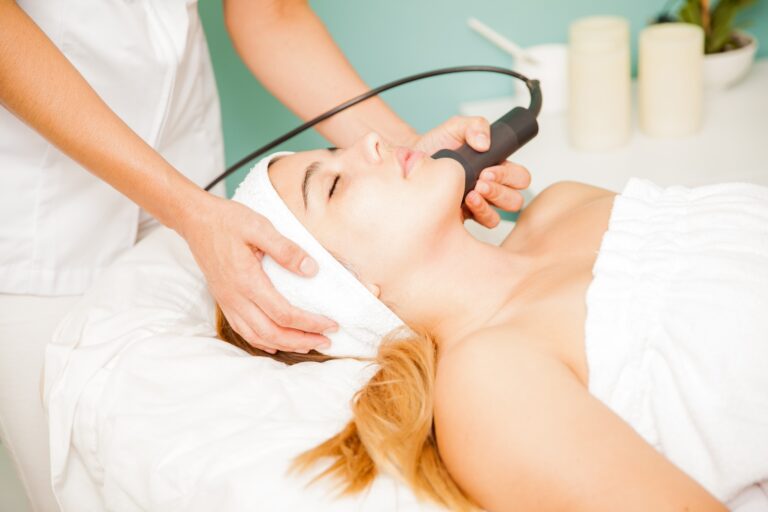
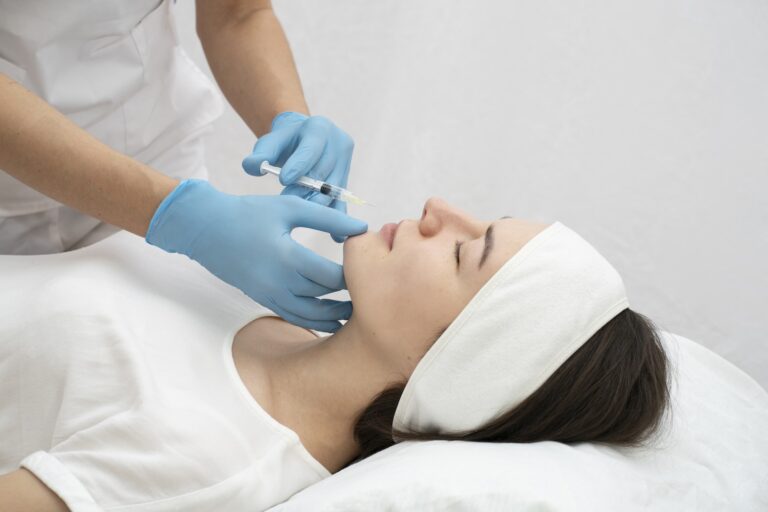
SKINVIVE by Juvederm is a hyaluronic acid injectable at 12 mg/mL, placed in tiny amounts within the skin rather than underneath it. It is not a filler in the usual sense: it is not meant to add volume or lift anything. The FDA approved it for cheek skin smoothness in May 2023, and in June 2026 it added a second approval for neck lines.
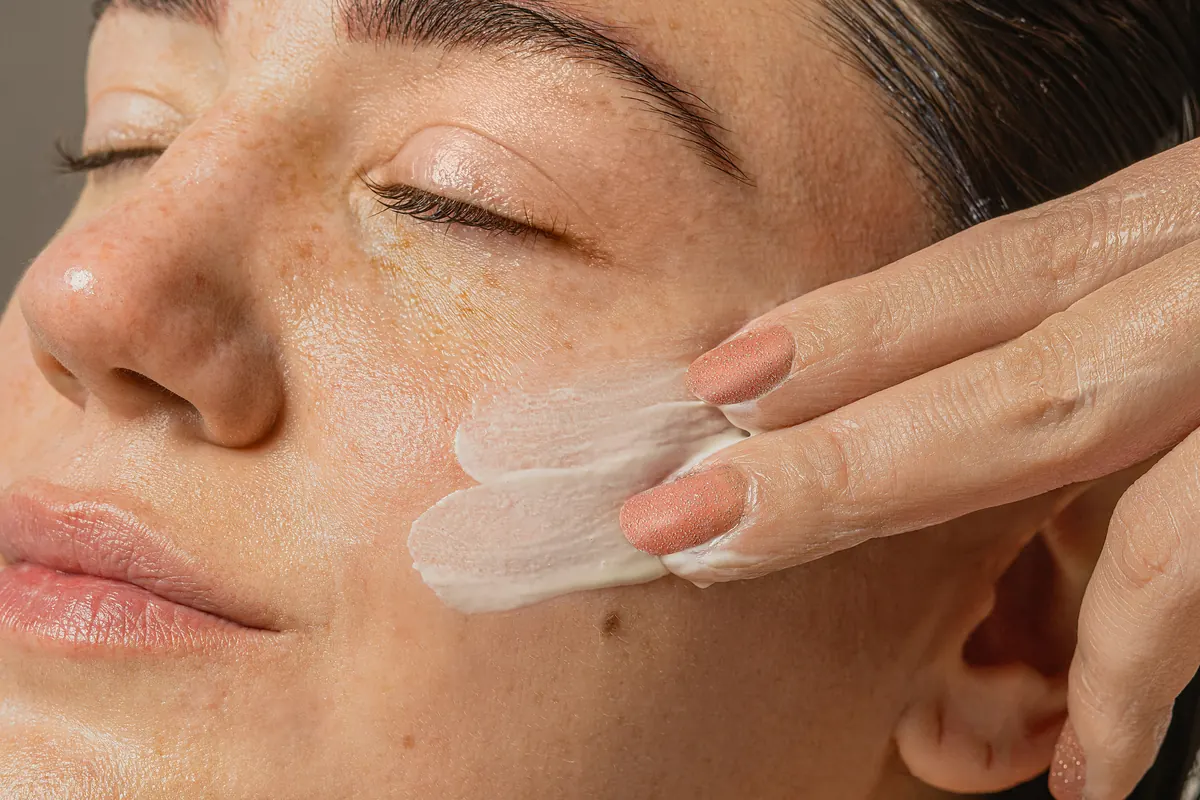
Almost everything written about this product comes from the brand or from clinic marketing. What follows is taken from the two FDA Summary of Safety and Effectiveness Data documents behind the two approvals, which contain the trial numbers, the control arms and the side effect durations. Those are the parts that answer whether it is worth your money.
1. What it actually is
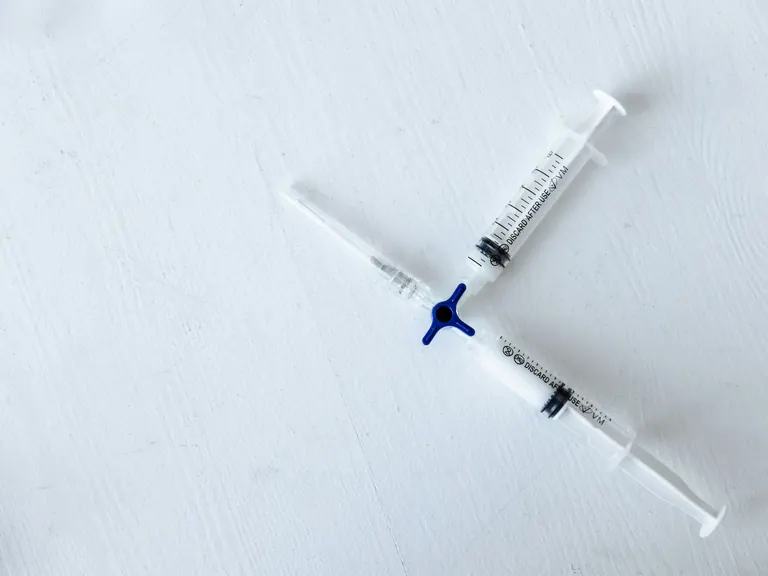
From the FDA device description: a sterile, biodegradable, non-pyrogenic, viscoelastic, clear colourless gel of hyaluronic acid produced by Streptococcus species at a concentration of 12 mg/mL, crosslinked with BDDE, containing 0.3% lidocaine. A retail box holds two prefilled 1.0 mL syringes and comes with 32 gauge half-inch needles.
Two details in that paragraph matter more than anything in the marketing.
12 mg/mL is a low concentration on purpose. Volumising hyaluronic acid fillers are formulated to hold their shape and push tissue outwards. This is formulated to sit inside the dermis and hydrate it. That is why the approved wording is "improve skin smoothness" rather than augment, lift or correct. If a clinic offers it to you for volume loss, they are describing a different product.
The needle is also telling. A 32 gauge half-inch needle is very fine and very short, because the product is deposited in small amounts within the skin rather than in the deeper planes where the rest of the Juvederm range is placed.
2. Why it is not really a filler, and not Botox
| SKINVIVE | Volumising HA filler | Botox | |
|---|---|---|---|
| What it is | HA at 12 mg/mL | HA, higher concentration and crosslinking | Botulinum toxin type A |
| Where it goes | Intradermal, within the skin | Subcutaneous or deeper | Into muscle |
| What it does | Improves skin smoothness | Adds volume, lifts | Relaxes muscle |
| Does it stop movement | No | No | Yes, that is the mechanism |
| Does it add volume | No | Yes | No |
So it does not compete with either. It is closer in intent to a skin quality treatment than to either injectable, which is why it is often discussed alongside them rather than instead of them. Our guide on Botox versus fillers covers that distinction in general, and the dermal fillers guide covers the volumising products properly.
3. The two approvals
| Approval | Date | Indication, as written |
|---|---|---|
| P110033/S059 | 11 May 2023 | Intradermal injection to improve skin smoothness of the cheeks in adults over the age of 21 |
| P110033/S099 | 11 June 2026 | Intradermal and/or subdermal injection to reduce neck lines for improvement of neck appearance in adults over the age of 21 |
The second one is ten weeks old at the time of writing and is the reason this product is being talked about again. It also added a specific cannula, the TSK 25 gauge one-and-a-half inch STERiGLIDE, for use with a needle in neck treatment. The neck trial and what it found has its own page, because the numbers are different from the cheek ones and the treatment is not the same procedure.
Note the age wording in both: adults over the age of 21. That is the labelled population, and it is worth knowing given how much of this product's marketing runs on social media.
4. What the cheek trial found
The 2023 approval rested on a randomised study measured on the Allergan Cheek Smoothness Scale. The FDA summary reports the month 1 results split by Fitzpatrick skin phototype, which is unusual to see published and useful if you have been told a treatment "has not been studied in skin like yours":
| Fitzpatrick type | SKINVIVE | Control |
|---|---|---|
| I | 40.0% (2/5) | not available |
| II | 57.6% (19/33) | 14.3% (2/14) |
| III | 59.2% (29/49) | 6.3% (1/16) |
| IV | 65.2% (15/23) | 0% (0/13) |
| V | 44.4% (4/9) | 0% (0/5) |
| VI | 66.7% (4/6) | 33.3% (1/3) |
Read the group sizes as well as the percentages. Types I, V and VI had five, nine and six participants, so those percentages rest on two, four and four people respectively and should be treated as indicative rather than precise. Types II, III and IV, where most participants sat, land between 57.6% and 65.2%, against control arms of 0% to 14.3%.
5. What the 2026 neck trial found
The headline from the pivotal neck study: at one month, 74.8% of the treatment group were rated improved by a blinded evaluator, against 16.1% of a no-treatment control group. That is a 58.7 point difference and it was highly statistically significant.
Two things about that pair of numbers. The 16.1% is the honest reference point, because roughly one person in six was rated improved having had nothing done at all. And the control arm here received no treatment rather than a sham injection, so it does not account for the effect of simply having had a procedure. Both figures, the study design and the durability data out to six months are set out on the neck lines page.
6. Side effects, and how long they last
This is where the FDA documents earn their keep, because the number that matters is not in any marketing material.
In the neck study, 89.8% of treated participants reported an injection site reaction. Of 147 who kept a 30 day diary, 132 had one. 42.9% were mild, 42.2% were moderate, which the diary defined as uncomfortable, and 4.8% were severe. On duration: 22.4% resolved in four to seven days, 24.5% in eight to fourteen, 29.3% lasted fifteen to thirty days, and 7.5% lasted longer than thirty days.
So this is not reliably a lunchtime treatment with an evening out afterwards. Nearly a third of people in the trial had something visible or uncomfortable for two to four weeks. The reactions themselves are the ordinary list for any injectable: redness, bruising, tenderness, lumps and bumps, swelling, firmness, pain, discoloration and itching.
Separately from those injection site reactions, treatment-related adverse events were uncommon: five of the 148 treated participants had one. That distinction matters. Injection site reactions were close to universal and mostly self-limiting; adverse events proper were rare.
Anything involving a needle and a gel implant carries the small but serious risks common to all fillers, including vascular occlusion. Those are covered on the filler complications page, and they are a reason to care who is holding the syringe. Our guide to verifying an injector's licence covers how to check.
7. Who it suits, and who it does not
- It suits someone whose complaint is skin texture and dullness on the cheeks, or fine transverse neck lines, who understands they are buying skin quality rather than shape.
- It does not suit volume loss, sagging, jawline definition or deep folds. Those are different products and different planes, and no amount of a 12 mg/mL gel placed in the dermis will address them.
- It does not replace toxin. Neck lines that appear when you tense are muscle bands, which is a different problem with a different treatment, covered on the platysmal bands page. Static horizontal neck lines are what this approval addresses.
- Under 21 is off label. Both indications specify adults over 21.
8. What it costs, and how to compare quotes
We do not publish a price range for SKINVIVE. We publish per-unit rates for the toxins because we collected them from published clinic prices, and we have not done that here. A number invented to fill the gap would be worse than the gap.
What we can set out is how the pricing is built, which is what actually makes two quotes comparable:
- It is priced per treatment, not per unit. Toxins are dosed in units and vary with your muscle. This does not, so a quote should be a single number for the area rather than a rate multiplied by something.
- The optional touch-up at day 30 is the variable that moves the total. The trial results are reported after an initial or optional touch-up, which means the published outcome may assume a second appointment. Ask whether that appointment is included in the quoted price or billed again. This is the single most common gap between a quoted price and a paid one.
- It is not a one-off. In the neck study, 66.0% still met the improvement threshold at six months. Whatever the session costs, the meaningful figure is what maintaining it costs across a year.
- Cheeks and neck are separate treatments, with separate approvals and separate prices. A quote for one is not a quote for both.
Two comparisons worth making before booking. Against a conventional hyaluronic acid filler, which addresses volume rather than skin quality and is usually the wrong comparison for the same concern. And against a course of skin treatments, which is the closer comparison, because this sits in that category rather than in the filler category despite being a hyaluronic acid product. Section 2 covers why.
If a clinic quotes you a price without saying whether the day 30 touch-up is included, that is the question to ask before anything else.
9. What to ask before you book
- Which indication am I being treated for? Cheeks and neck are separate approvals with separate techniques. There is no approved indication for anywhere else, so anything beyond those two is off label and you should be told so.
- How many syringes, and what is the total? The box contains two 1.0 mL syringes. Ask what a session actually uses.
- What is the realistic downtime? If the answer is "none", show them the duration figures above. Almost a third of trial participants had a reaction lasting two to four weeks.
- What happens at one month? The trials both allowed an optional touch-up at day 30, and the reported results are "after initial or optional touch-up". Ask whether a touch-up is included in the price you are quoted or charged again.
- How long before I need it again? In the neck study 66.0% still met the improvement threshold at six months. That is the number to plan around, not twelve months.
Frequently asked questions
What is SKINVIVE by Juvederm?
Is SKINVIVE a filler?
Is SKINVIVE the same as Botox?
How long does SKINVIVE last?
What are the side effects of SKINVIVE?
Is there really no downtime with SKINVIVE?
Can SKINVIVE be used on the neck?
Does SKINVIVE work on darker skin?
How much does SKINVIVE cost?
Is the SKINVIVE touch-up included in the price?

Sources
Every figure on this page was read from the documents below rather than from a clinic or a manufacturer's marketing. They open in a new tab so you can check any claim here against its source.
- Dermal fillers (soft tissue fillers), US Food and Drug Administration
- Premarket Approval (PMA) database, US Food and Drug Administration
Know the count before the quote. The unit count is half the bill, and a low per-unit rate recovered by a high unit count is the commonest way a deal is not one. How to tell.
Deciding which area, not how many units? Botox by facial area covers what each zone actually achieves, which four are FDA approved, and the things Botox cannot fix at all.