
Botox vs. Fillers: The Comparison Guide
Reviewed for medical accuracy against our Medical Review Board · Last updated 15 August 2026
Part of Botox vs Fillers and Other Injectables
If the line disappears when your face relaxes, you need one of these. If it stays, you need the other.
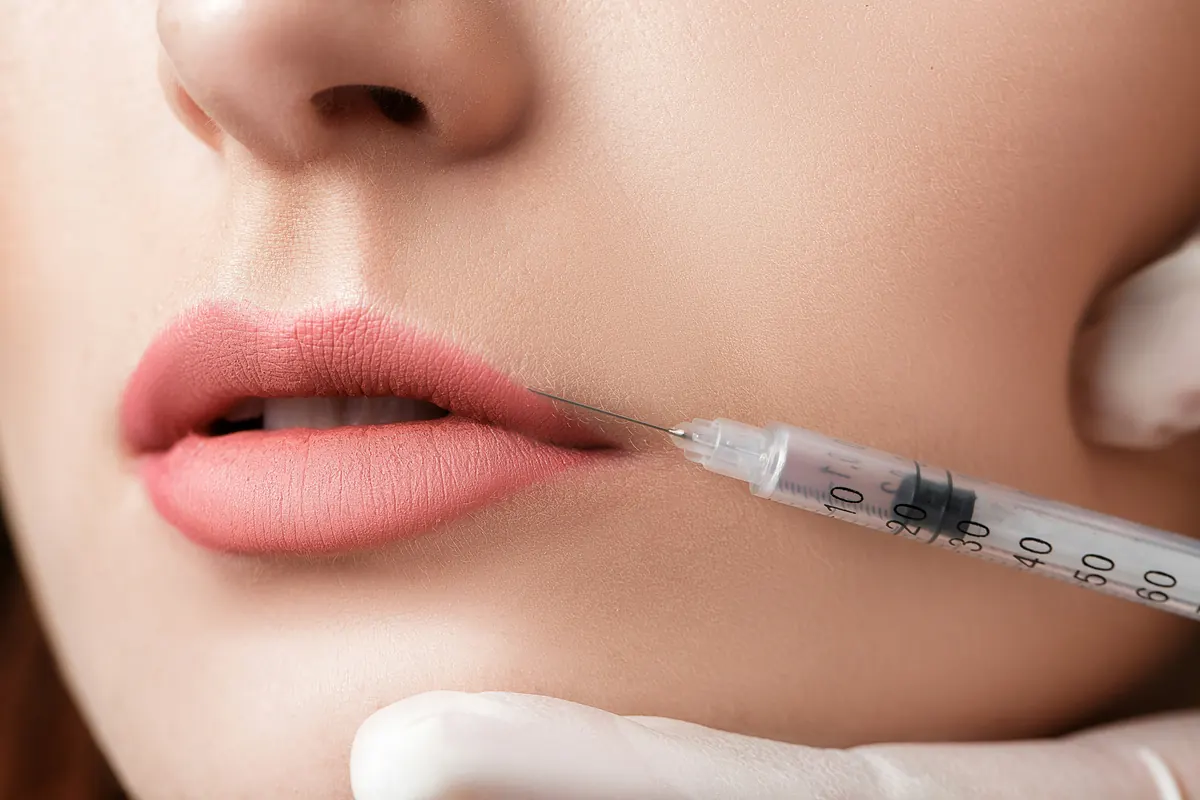
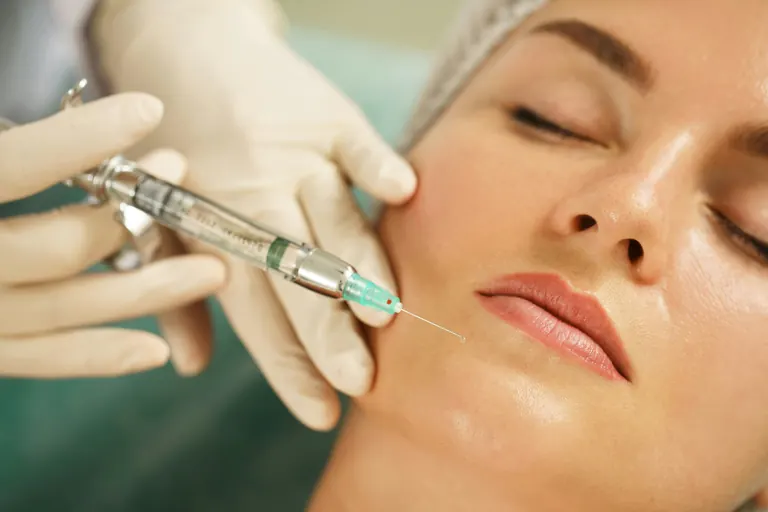
Botox and dermal fillers are two of the most popular non-surgical cosmetic treatments available today. Though often grouped together, they serve very different purposes. Botox relaxes muscles to reduce expression lines, while fillers restore lost volume, contour the face, and smooth static wrinkles.
In this complete guide, we’ll walk you through how Botox and fillers work, the differences in application, results, costs, safety, and how to decide which one, or both, is right for your aesthetic goals.
1. Botox and Dermal Fillers: what each one actually is
1.1 Definitions and Origins
Botox (OnabotulinumtoxinA): A neurotoxin produced by Clostridium botulinum, Botox is a purified protein that temporarily paralyzes muscles to soften dynamic wrinkles caused by repeated facial expressions. Approved by the FDA in 2002 for cosmetic use, it has since become one of the most widely used aesthetic treatments globally.
Dermal Fillers: Injectable gels typically made of hyaluronic acid (HA), calcium hydroxylapatite, poly-L-lactic acid, or polymethylmethacrylate (PMMA). Each type of filler has a different consistency and duration. Fillers work by physically lifting and volumizing the tissue beneath the skin. Brands include Juvederm, Restylane, Belotero, Radiesse, and Sculptra.
1.2 Mechanism of Action
- Botox: Blocks nerve signals (acetylcholine) that cause muscle contractions. When injected into specific muscles, Botox reduces their activity, which in turn smooths out the overlying skin and prevents further wrinkle formation from repeated movements.
- Fillers: Work by adding volume beneath the skin’s surface. Hyaluronic acid attracts water, adding hydration and plumpness. Other types stimulate collagen production over time, restoring facial structure and resilience.
1.3 FDA Approval and Global Use
- Botox: FDA-approved for cosmetic use in the glabella (frown lines), forehead, and crow’s feet, as well as numerous medical uses (migraines, hyperhidrosis, TMJ). Botox has more than 3,000 published studies backing its efficacy and safety.
- Fillers: Various FDA-approved fillers exist for different areas of the face and purposes, e.g., Voluma for cheeks, Volbella for lips, and Radiesse for jawlines. Globally popular in aesthetic clinics due to their versatility and customizability.
2. The core differences
2.A Purpose and Function
- Botox: Best for treating dynamic wrinkles formed by repeated muscle movements such as smiling, frowning, or squinting. Prevents the formation and deepening of lines.
- Fillers: Designed to treat volume loss and static wrinkles, those visible even at rest. Also used to contour and enhance facial features such as cheeks, lips, and jawline.
2.B Common Treatment Areas
| Area | Botox | Fillers |
|---|---|---|
| Forehead Lines | ✔ Smooths muscle activity | ✖ Not typically used here |
| Crow’s Feet | ✔ Effective for movement lines | ✖ Not suitable for dynamic wrinkles |
| Frown Lines | ✔ Softens deep muscle creases | ✖ Rarely used unless combined with Botox |
| Nasolabial Folds | ✖ Not effective | ✔ Fills deep static folds |
| Lips | ✖ Not appropriate | ✔ Enhances shape and volume |
| Cheeks | ✖ | ✔ Restores youthful contour and lift |
| Jawline & Chin | ✖ | ✔ Defines and sculpts facial angles |
| Under-Eyes | ✖ | ✔ Treats hollowing and dark circles |
2.C Onset and Duration
- Botox: Begins working within 3–5 days, with full results in about 2 weeks. Duration typically 3–4 months, though first-timers may see slightly shorter effects.
- Fillers: Immediate volume enhancement visible right after treatment. Longevity depends on filler type, ranging from 6 months (light HA fillers) to 18+ months (e.g., Sculptra, Radiesse).
2.D Texture and Appearance
- Botox: Provides a natural-looking smoothing effect when administered correctly. Helps lift brows or soften an angry or tired appearance without altering facial structure.
- Fillers: Mimic natural tissue density to restore fullness. Advanced injectors blend fillers seamlessly into surrounding tissue for a lifted, youthful appearance.
3. What results to realistically expect
3.A Anti-Aging Benefits
- Botox: Delays wrinkle development in younger patients; reduces the depth of existing expression lines. Helps in facial slimming and neck rejuvenation (Nefertiti Lift).
- Fillers: Treat age-related bone and fat loss. Improve skin laxity, fill deep folds, enhance contours, and improve facial symmetry.
3.B Longevity of Results
| Treatment | Duration |
|---|---|
| Botox | 3–4 months |
| Juvederm Ultra | 6–9 months |
| Restylane Lyft | 9–12 months |
| Voluma / Volux | Up to 24 months (midface, jaw) |
| Sculptra | Up to 2+ years (collagen stim.) |
| Radiesse | 12–18 months (also stimulates collagen) |
3.C Ideal for Facial Rejuvenation?
- Combining Botox and fillers offers a holistic anti-aging solution. Botox limits new wrinkle formation, while fillers rebuild the youthful structure lost with age.
4. Cost, and what drives it
4.A Average Cost Per Treatment
- Botox: $12–$20 per unit. Glabella: ~20 units; forehead: ~10–20 units; crow’s feet: ~12–24 units.
- Fillers: $500–$900 per syringe depending on brand, type, and treatment area.
4.B Total Cost by Area
| Area | Botox (avg.) | Fillers (avg.) |
|---|---|---|
| Forehead | $250–$400 | N/A |
| Lips | N/A | $600–$800 |
| Cheeks | N/A | $1,200–$1,800 (2–3 syringes) |
| Jawline | N/A | $1,000–$2,000 |
| Under-Eyes | N/A | $700–$900 |
4.C Maintenance Frequency
- Botox: 3–4 times per year to maintain consistent muscle relaxation.
- Fillers: 1–2 times per year depending on filler type and area; some patients may only need annual touch-ups.
5. Safety and what can go wrong
5.A Common Side Effects
- Botox: Bruising, swelling, slight discomfort at injection site, mild headache.
- Fillers: Swelling, tenderness, redness, bruising. Rarely, mild lumps or asymmetry that typically resolve or can be corrected.
5.B Rare Complications
- Botox: Drooping eyelid (ptosis), asymmetry, dry eyes, or frozen expression if overused.
- Fillers: Vascular occlusion (serious but treatable with timely intervention), granulomas, delayed swelling. Important to see medically trained injectors.
5.C Reversibility
- Botox: Not reversible, but effects fade naturally over a few months.
- HA Fillers: Can be dissolved with hyaluronidase enzyme if overfilled or complications occur.
6. Ideal Candidates: Who Should Choose Which?
Botox Is Best For:
- Ages 25–60 with dynamic lines
- Individuals looking to prevent or treat crow’s feet, frown lines, forehead wrinkles
- People seeking subtle smoothing without adding volume
Fillers Are Best For:
- Those with age-related volume loss in cheeks, temples, jawline, or lips
- People wanting facial contouring or feature enhancement
- Individuals with deep static wrinkles or facial hollows
Factors to Consider
- Your age and skin condition
- Primary concern: lines from movement vs. volume loss
- Whether you want immediate volume or gradual muscle softening
7. Real-World Experience & Expert Opinions
7.1 What Providers Say
- Botox: Praised for its precision and preventative capabilities. Especially effective in younger patients to prevent deeper lines.
- Fillers: Valued for sculpting and reversing aging signs without surgery. Skilled injectors achieve subtle, natural-looking results.
- Combination: A popular approach for a complete facial refresh. Botox for movement lines, fillers for volume.
7.2 What the results look like
- Botox: Smooth forehead, lifted brows, softened crow’s feet.
- Fillers: Plumper lips, lifted cheeks, sculpted jawline, filled under-eye hollows.
8. Combining Botox and Fillers
8.1 Is It Safe to Combine Them?
Yes. This is known as a "liquid facelift", a non-surgical approach that addresses both dynamic and static signs of aging simultaneously.
8.2 How to Sequence Treatments
- Botox first to calm muscles
- Follow with fillers after 1–2 weeks to assess remaining volume needs
- Optimal synergy when tailored to facial anatomy and goals
8.3 Long-Term Maintenance
- Plan a routine touch-up schedule for Botox every 3–4 months
- Reassess filler needs annually or semi-annually
- Adjust products based on aging progression
9. Medical vs. Cosmetic Uses
| Use Case | Botox | Fillers |
|---|---|---|
| Forehead Wrinkles | ✅ | ❌ |
| Cheek Volume Loss | ❌ | ✅ |
| Lip Enhancement | ❌ | ✅ |
| Migraines | ✅ | ❌ |
| Gummy Smile Correction | ✅ | ❌ |
| Facial Sculpting | ❌ | ✅ |
| TMJ / Teeth Grinding | ✅ | ❌ |
| Acne Scars | ❌ | ✅ (specialized use) |
10. Decision Guide: Botox or Fillers?
10.1 What to Consider
- Botox treats movement-based wrinkles. Fillers address volume and structure.
- Your budget, maintenance tolerance, and desire for immediate vs. gradual results.
- A comprehensive approach may involve both treatments over time.
10.2 Consultation Tips
- Choose a provider who evaluates facial balance and aging stage.
- Avoid overfilling or over-relaxing. Aim for refreshed, not artificial, results.
- Ask about product types, duration, risks, and expected outcomes.
10.3 Choosing the Right Provider
- Medical credentials and injector experience are crucial.
- Review before-and-after portfolios and check online reviews.
- A good provider customizes your treatment plan based on your goals.
Final Thoughts: Botox vs. Fillers
Botox and fillers are powerful tools that address different but complementary signs of aging. Whether you’re softening wrinkles, restoring contours, or aiming for a subtle enhancement, these injectables offer fast, effective, and non-surgical solutions.
The best outcomes come from understanding their unique benefits and using them strategically, often together, for a refreshed, natural appearance. Always consult a qualified professional who prioritizes safety, aesthetics, and a personalized approach to help you feel confident in your skin.

Frequently asked questions
How do I know whether I need Botox or filler?
Do this in a mirror before any consultation. Relax your face completely and look at the line. If it disappears when you are still and only shows when you move, it is a movement line and a neurotoxin is the tool. If it is visible at rest, or the area looks hollow or deflated, that is volume or skin change and a filler is the relevant option. Many people have both, which is why plans often include both.
Which one can be undone?
Hyaluronic acid fillers can be dissolved with hyaluronidase, usually within days. Botox cannot be reversed and simply wears off over months. Note that not all fillers are hyaluronic acid: calcium hydroxylapatite products such as Radiesse are not affected by hyaluronidase at all, so "filler is reversible" is only true of some of them. Ask which type you are being offered.
Which lasts longer?
Filler, generally by a wide margin. Botox Cosmetic’s label gives approximately three to four months for glabellar lines. Filler durability varies by product and area and is measured in many months to over a year, with each product’s FDA trial reporting its own decline curve. Compare the annual cost of the schedule you would actually follow rather than treatment against treatment.
Is one safer than the other?
They carry different risks rather than different amounts of risk. The serious filler risk is vascular occlusion, product entering a blood vessel, which is why speed of recognition and access to hyaluronidase matter. The serious neurotoxin risk, stated on every label in this class, is spread of toxin effect beyond the injection site. Both are uncommon at cosmetic doses and both are arguments for caring who injects you.
Can I have them on the same day?
Frequently done, and reasonable once you know how you respond to each. For a first treatment there is a good argument for separating them: if you develop swelling, a lump or an asymmetry, having had both makes it far harder to work out which one caused it and what to do about it.
Sources
Every figure on this page was read from the documents below rather than from a clinic or a manufacturer's marketing. They open in a new tab so you can check any claim here against its source.
- BOTOX Cosmetic prescribing information, FDA via DailyMed
- Dermal fillers (soft tissue fillers), US Food and Drug Administration
- Dermal fillers, American Society of Plastic Surgeons
The lip is where this gets confused most. A Botox lip flip adds no volume at all: it relaxes a muscle so the lip edge rolls outward. If volume is what you want, filler is the treatment.
Which is the wrong treatment for what. Botox by facial area lists the things no dose of any neurotoxin fixes, from nasolabial folds to hooded lids, with what does work instead.
Fillers in full. Our dermal filler guide covers which products can be dissolved and which cannot, what being a device rather than a drug changes, and what 18,000 FDA adverse event reports actually show.
Recovery is the bigger practical difference. Toxin recovery is usually a bruise; filler recovery involved a reaction in 98.1% of trial patients and lumps in 81.1%. See filler recovery in detail.
Keep reading
 Fillers and InjectablesDermal Fillers
 Botox Comparison GuidesBotox vs. Juvederm
 Botox Comparison GuidesBotox vs. Kybella
 Botox Comparison GuidesBotox vs. Profhilo
 Botox Comparison GuidesBotox vs. Restylane Skinboosters
 Botox BasicsBotox Marketing Terms Decoded
 Areas and SafetyCheek Botox and Nasolabial Folds
 ComparePDO Threads and Thread Lifts