Liquid Botox, Face Lifts and At-Home Kits: What These Terms Actually Mean
Reviewed for medical accuracy against our Medical Review Board · Last updated 5 September 2026
Part of Botox Guides and Basics
Liquid Botox. A Botox face lift. At-home Botox. None of the three is a product, and each one is doing a specific job in a sentence someone is using to sell you something.
This page takes the terms one at a time and says what is actually being offered, because in two of the three cases the honest translation changes the decision.
1. "Liquid Botox"
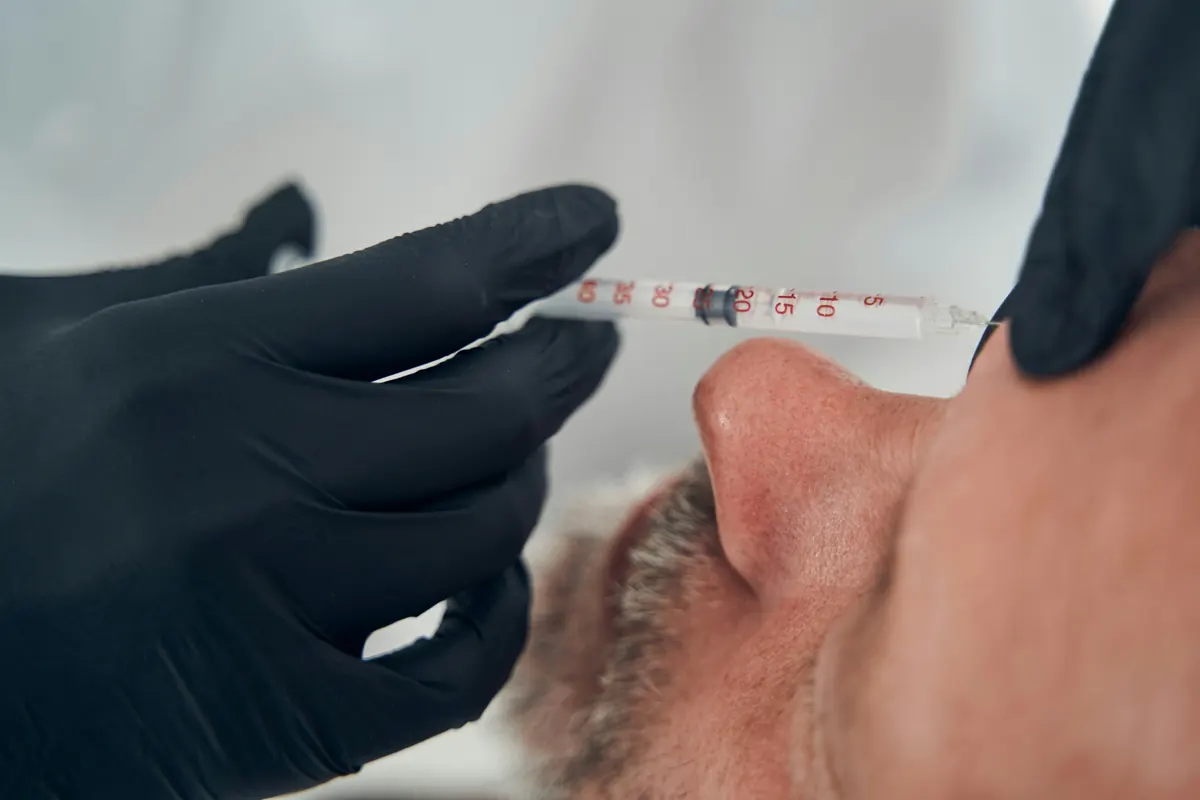
There is no product called liquid Botox, and the term is close to self-defeating: Botox arrives as a dried powder and is reconstituted into a liquid before every treatment. All Botox is liquid at the point it reaches you. What is actually in the vial is three ingredients and nothing else.
So when the phrase appears, it is standing in for one of three things:
- A hyaluronic acid filler. The most common use, and the most misleading, because a filler and a toxin do opposite jobs. One adds volume, the other reduces movement. Our comparison of the two is the place to start if this is what you were offered.
- A skin booster such as a very dilute injectable placed into the skin rather than the muscle. Related to what is marketed as micro Botox, and not an approved use of any toxin.
- A topical cream claiming a Botox-like effect. No topical product contains botulinum toxin. Nothing sold over a counter does.
The question that resolves it in one move: what is the product name on the vial. A real answer is a brand: Botox Cosmetic, Juvederm, Restylane. If the answer stays "liquid Botox", nobody has told you what you are buying.
2. The "Botox face lift"
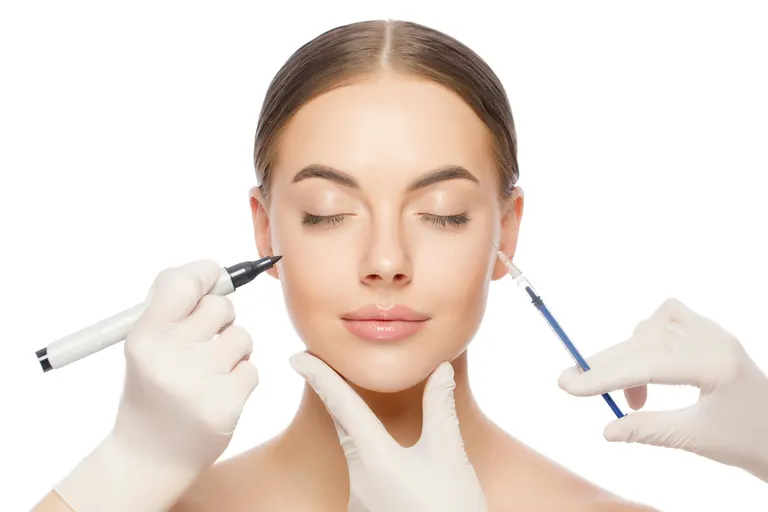
A face lift is surgery. It repositions tissue and removes skin, under a surgeon, with anaesthetic and a recovery period. Botox does none of those things.
What is usually being sold under this name is a combination treatment, most often a toxin plus filler, sometimes with a skin treatment attached. That can be a perfectly reasonable plan. The problem is the word lift, because it sets an expectation the treatment cannot meet, and it is the single most common source of disappointment we see described.
Be precise about what a toxin can and cannot do here. It relaxes muscles that pull downward, so a brow can sit fractionally higher when the muscles depressing it are treated. That is a real effect and it is measured in millimetres. It is not a lift in the sense the name implies, and it does nothing at all for loose skin, which is a change in the tissue rather than in muscle movement. The Botox versus facelift comparison sets out what each actually addresses.
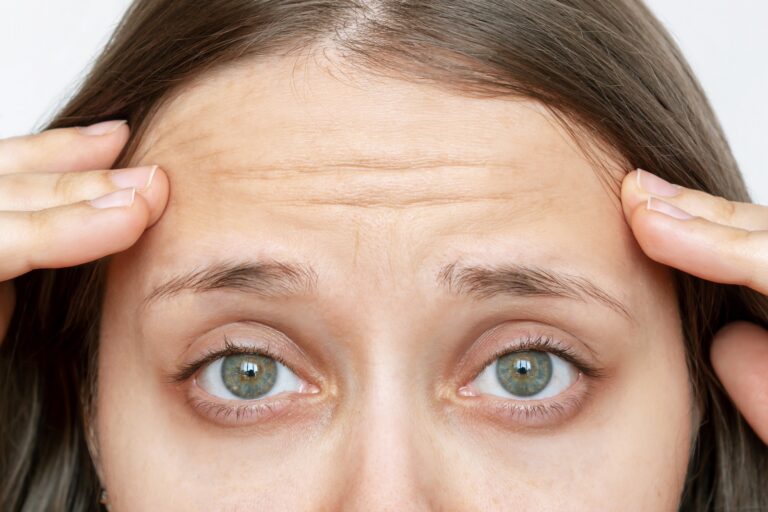
The only approved cosmetic uses of Botox Cosmetic are frown lines, crow's feet, forehead lines and platysma bands. There is no approved lifting indication, so anything described as a lift is off-label by definition.
3. At-home Botox, and why it cannot exist legally
This is the one where the honest answer is short.
Botulinum toxin is a prescription-only biological product. Every approved vial carries a US License number, arrives as a dried powder, is stored refrigerated between 2 and 8 degrees Celsius, and has to be reconstituted and then used within 24 hours. It is not sold to consumers, and there is no version of the approved product that can lawfully reach your home for you to self-inject.
So anything sold as at-home Botox is one of the following:
- Not botulinum toxin at all. Usually a topical serum using the word Botox as a description of a hoped-for effect. Harmless and ineffective.
- A product not approved in the United States, imported and resold. Covered separately in our page on unapproved toxins.
- Diverted or counterfeit product, where nobody can tell you the storage history, the concentration or what is actually in it.
The second and third are where the harm is. The reason is not squeamishness about needles. It is that dose is the variable this entire drug turns on: the approved frown line dose is 20 Units, the approved doses for medical conditions run into the hundreds, and the boxed warning describes effects spreading beyond the injection site with symptoms appearing hours to weeks later. Getting the dilution wrong at home is not a cosmetic error. Our page on what the boxed warning actually says covers the mechanism.
There is no safe home version of this, and there is no discount that compensates for not knowing what is in the syringe.
4. Botox parties and mobile injectors
Different from the above, because the product may be entirely genuine. What changes is the setting.
The label contraindicates injection at an infected site, warns about hypersensitivity reactions including anaphylaxis, and instructs that if one occurs the injector should stop and begin medical treatment immediately. A living room cannot support that instruction. Neither can a hotel suite or the back of a salon.
A genuine provider injecting a genuine product in an unsuitable place is a smaller risk than a counterfeit vial, and it is still a decision you should make knowingly rather than by default. Our guide to checking a provider treats a non-clinical setting as a red flag for this reason.
5. The smaller ones
- Baby Botox. Real, in the sense that it describes a genuine approach: a smaller dose for less complete movement reduction. Not a product and not a different drug.
- Preventative Botox. Describes treating before lines set rather than a distinct treatment. Reasonable as a strategy, oversold as a concept.
- Generic Botox. Does not exist. These are biologics and none of the six approved products is a generic of another.
- Botox in a bottle. A cosmetics phrase, usually for a peptide serum. No relationship to the drug.
6. One test for any of them
Whatever the term, ask the same two questions:
- What is the product, by brand name? If there is no brand, there is no product.
- How many units, or how many millilitres? Toxins are dosed in units, fillers in millilitres. Which unit the answer uses tells you which category of treatment you are actually being sold, regardless of what the marketing called it.
A treatment worth having survives both questions easily. A term invented for a menu usually does not.
Frequently asked questions
What is liquid Botox?
Is a Botox face lift a real thing?
Can you buy Botox for home use?
Are Botox parties safe?
What is the difference between liquid Botox and filler?
Is there such a thing as topical Botox?
Sources
Every figure on this page was read from the documents below rather than from a clinic or a manufacturer's marketing. They open in a new tab so you can check any claim here against its source.
- BOTOX Cosmetic (onabotulinumtoxinA) for injection, full prescribing information, US National Library of Medicine, DailyMed
- FDA-approved botulinum toxin products, US Food and Drug Administration

Know the count before the quote. The unit count is half the bill, and a low per-unit rate recovered by a high unit count is the commonest way a deal is not one. How to tell.
Deciding which area, not how many units? Botox by facial area covers what each zone actually achieves, which four are FDA approved, and the things Botox cannot fix at all.