Botox vs. Facelift: The Comparison Guide
Reviewed for medical accuracy against our Medical Review Board · Last updated 15 August 2026
Part of Botox vs Natural Alternatives and Surgery
One relaxes the muscle that folds your skin. The other removes skin that has already folded.
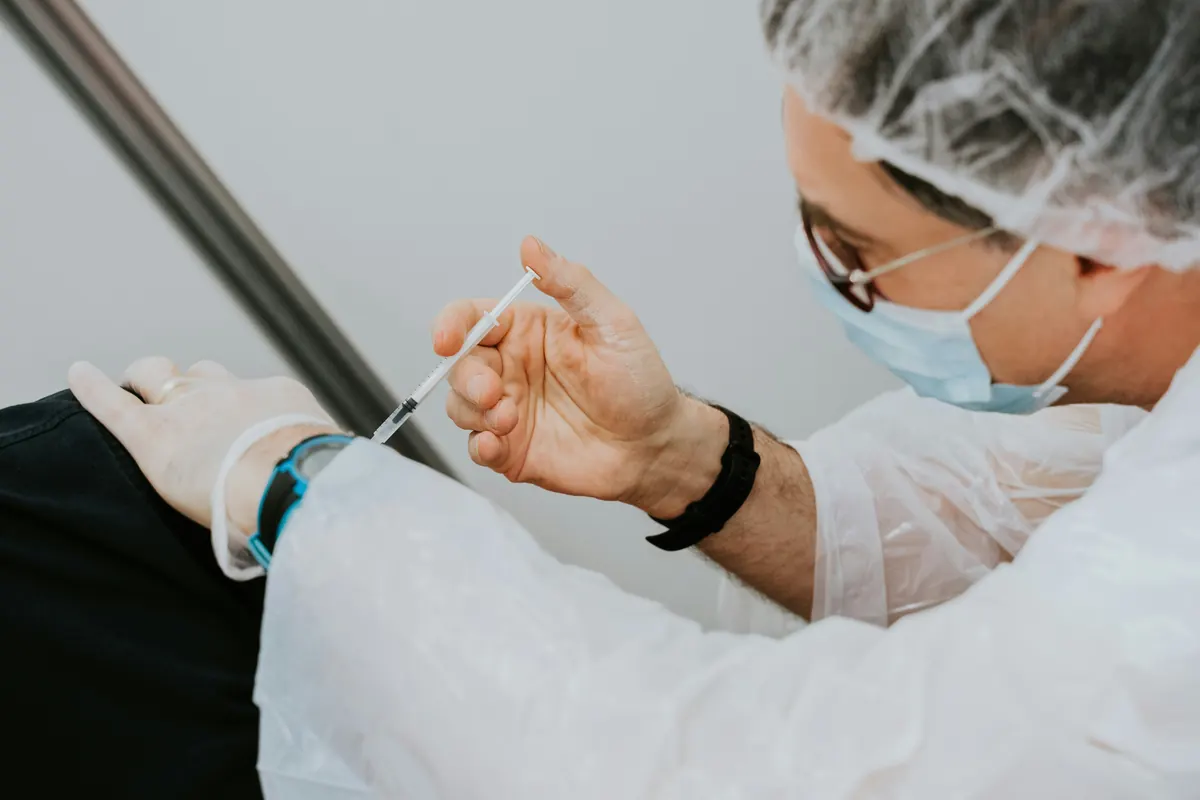
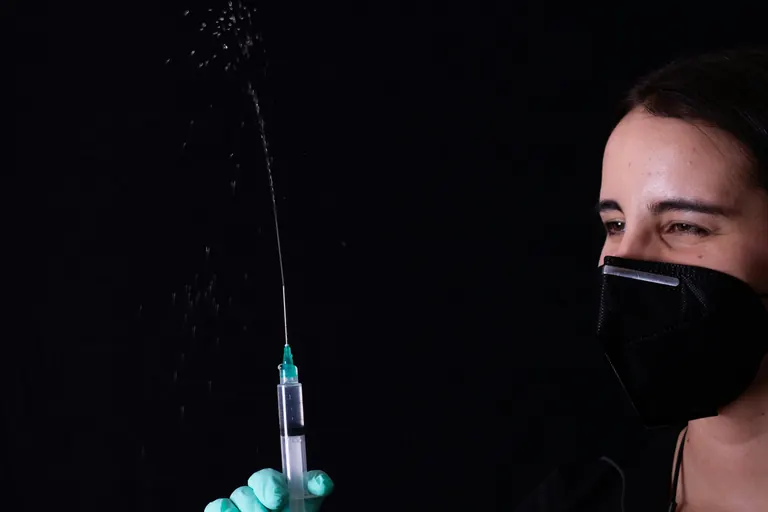
Botox and facelift surgery are two leading anti-aging treatments, but they work in very different ways. Botox focuses on muscle relaxation to smooth dynamic wrinkles, while a facelift surgically lifts and tightens sagging skin and underlying tissue.
In this comprehensive guide, we will compare Botox and facelift surgery in terms of how they work, what they treat, how long they last, costs, risks, and which one might be the right option based on your goals. Whether you are dealing with expression lines, jowls, or a sagging neck, this guide will help you choose with confidence.
1. Two different treatments: Botox and Facelift
1.1 Definitions and Origins
Botox (OnabotulinumtoxinA): A neuromodulator approved by the FDA in 2002 for cosmetic use. Developed by Allergan, Botox works by temporarily blocking nerve signals to specific facial muscles.
Facelift (Rhytidectomy): A surgical procedure that lifts and tightens sagging facial skin and tissue. Performed by board-certified surgeons under anesthesia, it repositions the deeper SMAS layer and removes excess skin to restore a firmer contour.
1.2 Mechanism of Action
- Botox: Blocks acetylcholine, preventing muscle contraction. This softens lines caused by repetitive movement (e.g., frowning, squinting).
- Facelift: Through incisions hidden around the ears and hairline, the surgeon lifts and repositions sagging skin and muscle, removes excess tissue, and re-drapes the skin over the new contour.
1.3 FDA Approval and Global Use
- Botox: Widely used and FDA-approved for both cosmetic and medical indications.
- Facelift: Not "FDA approved," since it is a surgical technique rather than a drug. It is regulated through state medical board licensing and is performed by board-certified surgeons worldwide.
2. Where Botox and Facelift genuinely differ
2.A Purpose and Function
- Botox: Prevents and smooths dynamic wrinkles caused by muscle movement.
- Facelift: Surgically corrects sagging skin, jowls, and loose neck tissue caused by volume loss and gravity over time.
2.B Common Treatment Areas
| Area | Botox | Facelift |
|---|---|---|
| Forehead Lines | ✅ | ❌ (paired with brow lift) |
| Crow’s Feet | ✅ | ❌ |
| Jowls / Lower Face | ❌ | ✅ |
| Sagging Neck Skin | ✅ (off-label, limited) | ✅ |
| Midface / Cheeks | ❌ | ✅ |
| Deep Nasolabial Folds | ❌ | ✅ |
2.C Onset and Duration
- Botox: Results appear in 3–5 days, peak at 2 weeks, last 3–4 months.
- Facelift: Swelling fades over 2–3 weeks. Final results emerge around 3 months and typically last 10–15 years.
2.D Texture and Appearance
- Botox: Creates smoothness by paralyzing muscles. Doesn’t address skin laxity or sagging.
- Facelift: Restores a firmer, lifted contour by removing excess skin. Doesn’t address fine dynamic wrinkles.
3. Results compared
3.A Anti-Aging Focus
- Botox: Best for expression lines, including the forehead, crow’s feet, and between the brows.
- Facelift: Best for correcting structural aging, including sagging skin, jowls, deep folds, and loose neck tissue.
3.B Longevity of Results
| Treatment | Typical Duration |
|---|---|
| Botox | 3–4 months |
| Facelift | 10–15 years |
3.C Ideal for Facial Rejuvenation?
- Many surgeons recommend combining both: a facelift for structural correction, and Botox for ongoing wrinkle prevention afterward.
4. The real cost of each
4.A Average Cost Per Session
- Botox: $12–$20 per unit. Common areas cost $250–$600 per session.
- Facelift: $9,000–$20,000+ for the surgeon's fee alone, with total costs often reaching $15,000–$25,000.
4.B Total Treatment Cost by Area
| Area | Botox (avg.) | Facelift (avg.) |
|---|---|---|
| Forehead Lines | $250–$500 | N/A (brow lift $3,000–$6,000) |
| Full Face | $600–$1,000 | $9,000–$20,000+ |
| Neck | $400–$800 | $3,000–$8,000 (add-on) |
4.C Maintenance Costs
- Botox typically requires repeat treatments every 3–4 months.
- A facelift lasts 10–15 years, though many patients add Botox touch-ups in between.
4.D Insurance Coverage
- Botox may be partially covered for medical uses (e.g., migraines).
- Facelift surgery is considered elective and cosmetic, so it is never covered by insurance.
5. Risks worth knowing about
5.A Common Side Effects
- Botox: Redness, swelling, bruising, temporary headache.
- Facelift: Swelling, bruising, numbness, and tightness for several weeks after surgery.
5.B Rare Risks
- Botox: Eyelid drooping (ptosis), uneven results, resistance over time.
- Facelift: Hematoma, infection, nerve injury, anesthesia complications, visible scarring.
5.C Downtime
- Botox: Minimal, most patients return to activities the same day.
- Facelift: Two to four weeks off work, with final results settling over two to three months.
6. Ideal Candidates: Who Should Choose Which?
Botox Is Best For:
- People with dynamic wrinkles from facial movement.
- Individuals looking for quick, no-downtime wrinkle reduction.
- Patients interested in preventative aging strategies.
Facelift Is Best For:
- Patients with significant skin laxity, jowls, or a sagging neck.
- Individuals seeking long-lasting, structural facial rejuvenation.
- Patients able to commit to surgery and several weeks of recovery.
Factors to Consider
- Targeted concern (dynamic wrinkles vs. sagging skin and tissue)
- Tolerance for surgery, anesthesia, and downtime
- Budget and how long you want results to last
7. Real-World Experience & Expert Opinions
7.1 What Surgeons Say
- Botox is fast, reliable, and safe for wrinkle control.
- A facelift offers the most dramatic, long-lasting correction for sagging skin.
- Many surgeons recommend Botox as a complement to surgical rejuvenation, not a substitute.
7.2 What the results look like
- Botox: Smoother forehead, lifted brow, relaxed frown lines.
- Facelift: Tighter jawline, smoother neck, reduced jowls and sagging.
8. Combining Botox and Facelift
8.1 Is It Safe to Use Both?
Yes. Once fully healed, combining Botox and a facelift provides comprehensive rejuvenation with no interaction risks.
8.2 How Providers Combine Them
- Facelift addresses sagging skin and tissue first
- Botox typically resumes 6 to 8 weeks after surgery, once healing is complete
- Both can be part of a long-term facial maintenance plan
8.3 Planning Tips
- Consult with a board-certified plastic or facial plastic surgeon
- Wait until your surgeon confirms full healing before resuming Botox
- Follow strict aftercare to protect your surgical results
9. Medical vs. Cosmetic Uses
| Use Case | Botox | Facelift |
|---|---|---|
| Dynamic Wrinkle Reduction | ✅ | ❌ |
| Structural Skin Tightening | ❌ | ✅ |
| Jowl / Neck Correction | ❌ | ✅ |
| Migraine Treatment | ✅ | ❌ |
| Sagging Skin Removal | ❌ | ✅ |
Botox is best for movement-based aging and has medical uses. Facelift surgery is for structural correction and long-term surgical rejuvenation.
10. Decision Guide: Botox or Facelift?
10.1 What to Consider
- Do you want to smooth wrinkles (Botox) or correct sagging and jowls (Facelift)?
- Can you commit to surgery and several weeks of downtime?
- Are you open to combining both for long-term results?
10.2 Consultation Tips
- Share your full medical history and aesthetic goals
- Ask whether a mini, mid, or full facelift fits your needs
- Discuss timing, recovery, cost, and expected longevity
10.3 Choosing the Right Provider
- Board-certified plastic or facial plastic surgeons only
- Look for extensive experience with facelift surgery
- View before-and-after results and ensure a thorough consultation
Final Thoughts: Botox vs. Facelift
Botox and facelift surgery are not competing options. They address different stages of facial aging. Botox smooths the fine lines caused by muscle movement, while a facelift surgically corrects sagging skin and loose neck tissue that Botox cannot touch.
If dynamic wrinkles from expression are your main concern, start with Botox. If you are dealing with significant sagging or a loose neck, a facelift may be the answer. Many patients eventually choose both.
Always consult a board-certified plastic surgeon to design the right strategy for your goals, budget, and timeline.

Frequently asked questions
Can Botox delay the need for a facelift?
It is often said and it is not established. A neurotoxin reduces movement lines and can prevent them deepening, which is a real effect on one component of ageing. A facelift repositions tissue that has descended, which is a structural change no injection reproduces. There is no trial evidence that neurotoxin use changes when someone becomes a surgical candidate.
At what point does Botox stop being enough?
The honest marker is laxity rather than age. When skin and deeper tissue have descended, no amount of muscle relaxation lifts them, and continuing to add injectables to a face that has lost structural support is how people end up looking heavier rather than fresher. A surgeon who tells you that plainly is being useful.
Is a facelift permanent?
It is durable rather than permanent. It repositions tissue at a point in time, and ageing continues afterwards, so the result changes gradually over years. That is a very different proposition from a neurotoxin, which wears off entirely within months by design.
What are the risks of each?
They are not on the same scale and should not be discussed as though they were. A facelift is surgery under anaesthesia with scars, a recovery period and surgical risk. A cosmetic neurotoxin treatment is a few units into facial muscle, with the class warning about distant spread of toxin effect being the serious item on its label. Choosing between them is not choosing between two versions of the same decision.
Do people have both?
Frequently, and usually in sequence rather than as alternatives. Surgery addresses position and laxity; a neurotoxin addresses movement lines, which surgery does not remove. Many people continue injectables afterwards for exactly that reason.
Sources
Every figure on this page was read from the documents below rather than from a clinic or a manufacturer's marketing. They open in a new tab so you can check any claim here against its source.
- BOTOX Cosmetic prescribing information, FDA via DailyMed
- Facelift, American Society of Plastic Surgeons