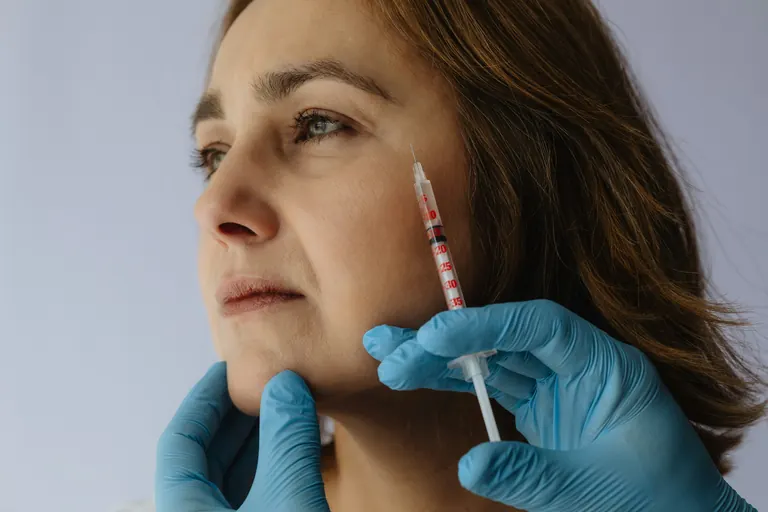
Botox vs. Juvederm: The Comparison Guide
Reviewed for medical accuracy against our Medical Review Board · Last updated 15 August 2026
Part of Botox vs Fillers and Other Injectables
One stops the movement that creases skin; the other restores the volume beneath it. Most patients need both.
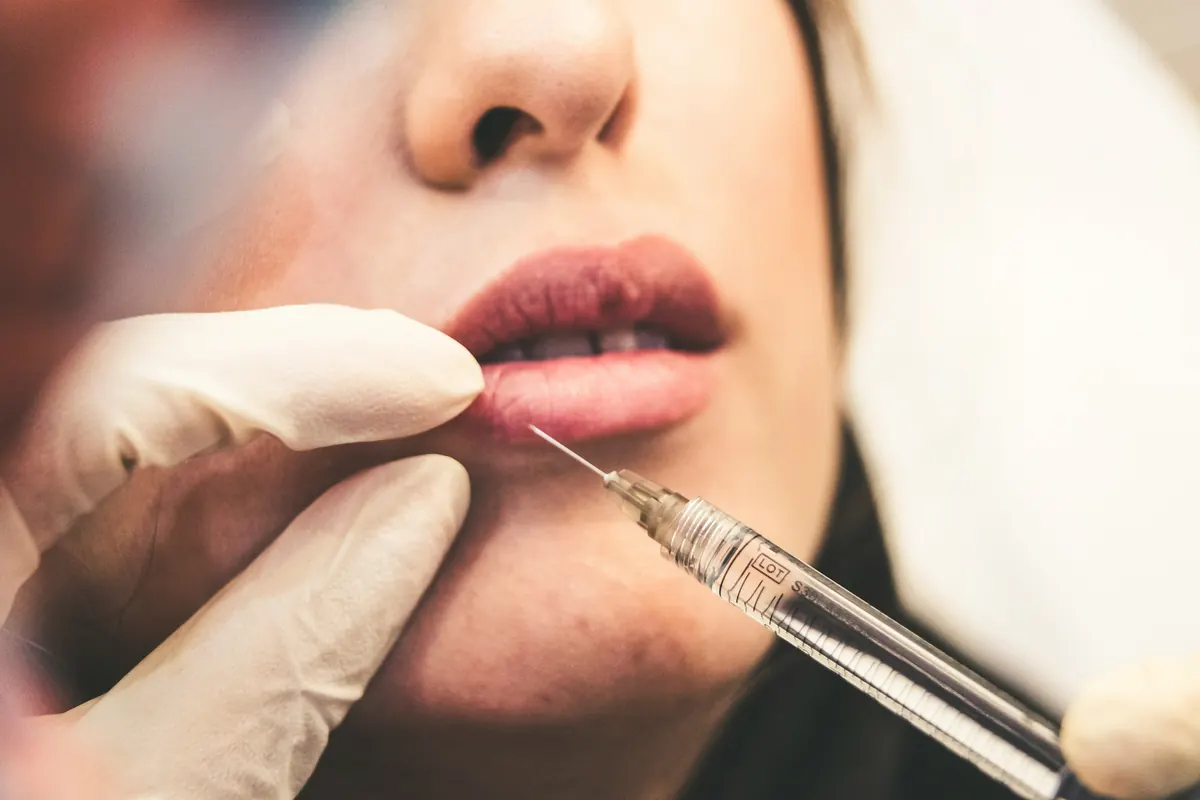
Botox and Juvederm are two of the most popular non-surgical cosmetic treatments in the world, but they serve very different purposes. While both aim to reduce signs of aging and enhance facial features, they work in completely different ways.
In this comprehensive comparison guide, we’ll break down everything you need to know about Botox vs. Juvederm, including how they work, where they’re used, how long they last, what they cost, and who they’re best suited for. Whether you're trying to decide between the two or considering combining them, this guide will help you make an informed decision.
1. Botox and Juvederm: what each one actually is
1.1 Definitions and Origins
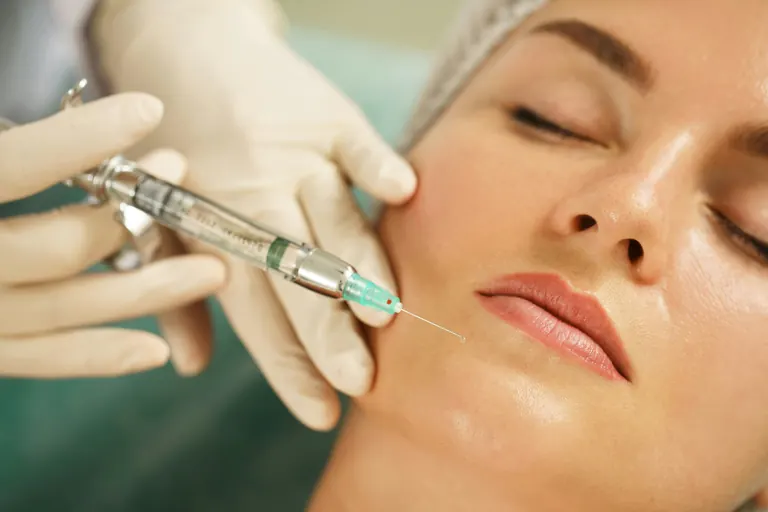
Botox (OnabotulinumtoxinA): A neuromodulator developed by Allergan (now part of AbbVie), Botox temporarily paralyzes specific facial muscles to reduce the appearance of dynamic wrinkles caused by facial expressions.
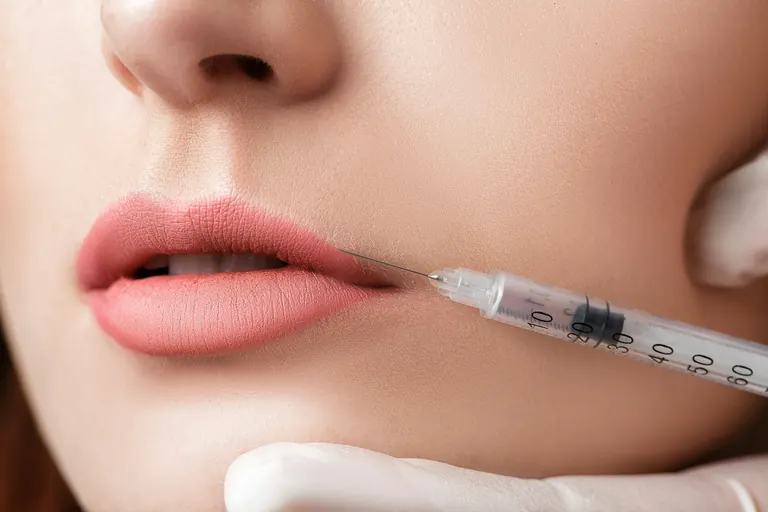
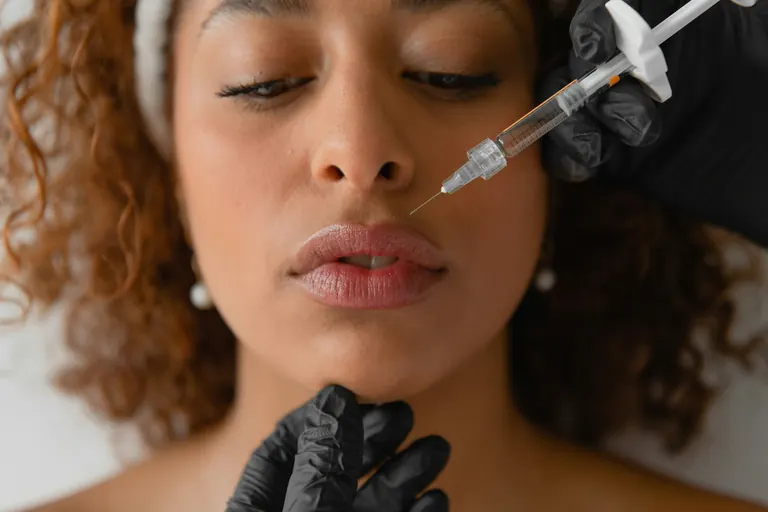
Juvederm: Also made by Allergan, Juvederm is a family of hyaluronic acid-based dermal fillers used to restore volume, smooth lines, and enhance facial contours.
1.2 Mechanism of Action
- Botox: Blocks nerve signals to muscles, causing temporary relaxation. This softens wrinkles formed by repetitive motion (e.g., frowning, squinting).
- Juvederm: Adds volume beneath the skin using a smooth gel made of hyaluronic acid, a substance naturally found in the body.
1.3 FDA Approval and Global Use
- Botox: FDA-approved for cosmetic use in 2002 and medical use as early as 1989. Widely used for both aesthetic and therapeutic purposes.
- Juvederm: FDA-approved in 2006 for volume restoration and wrinkle correction. Now includes a wide product range for lips, cheeks, chin, and more.
1.4 Formulation and Manufacturing
- Botox: Manufactured using purified botulinum toxin type A.
- Juvederm: Created using Vycross or Hylacross technologies depending on the product, determining its smoothness, longevity, and lift capacity.
2. The core differences
2.A Purpose and Function
- Botox: Temporarily paralyzes muscles to prevent movement-based wrinkles.
- Juvederm: Fills in lines or hollows and restores volume for a fuller, lifted look.
2.B Common Treatment Areas
| Area | Botox | Juvederm |
|---|---|---|
| Forehead Lines | ✅ | ❌ |
| Crow’s Feet | ✅ | ❌ |
| Frown Lines | ✅ | ❌ |
| Nasolabial Folds | ❌ | ✅ |
| Lips | ❌ | ✅ |
| Cheeks | ❌ | ✅ |
| Chin/Jawline | ❌ (some off-label) | ✅ |
2.C Onset and Duration
- Botox: Takes 3–5 days to show results, with full effect in about 1–2 weeks. Lasts 3–4 months.
- Juvederm: Immediate results post-injection. Lasts 6 months to 2 years, depending on product type and treatment area.
2.D Texture and Appearance
- Botox: Doesn’t add volume; just smooths lines caused by motion.
- Juvederm: Adds volume and structure, which can lift or plump facial features.
3. What results to realistically expect
3.A Wrinkle Reduction
- Botox: Best for dynamic wrinkles (caused by movement)
- Juvederm: Best for static wrinkles (present at rest) and volume loss
3.B Longevity of Results
| Product | Duration Range |
|---|---|
| Botox | 3–4 months |
| Juvederm | 6–24 months (varies by formula and area) |
3.C Ideal for Facial Rejuvenation?
Many providers recommend combining both for optimal anti-aging. Botox relaxes muscles, Juvederm restores volume.
4. Cost, and what drives it
4.A Average Cost Per Unit or Syringe
- Botox: $12–$20 per unit; typical treatments use 20–60 units
- Juvederm: $500–$800 per syringe; most areas require 1–2 syringes
4.B Total Treatment Cost by Area
| Area | Botox (avg.) | Juvederm (avg.) |
|---|---|---|
| Forehead | $250–$500 | N/A |
| Lips | N/A | $600–$800 |
| Cheeks | N/A | $1,000–$1,600 |
| Nasolabial Folds | N/A | $600–$1,200 |
4.C Loyalty and Rewards Programs
- Both products qualify for Allē, Allergan’s rewards program
4.D Insurance Coverage
- Botox: May be covered for medical uses (e.g., migraines, TMJ)
- Juvederm: Always considered cosmetic; not covered by insurance
5. Safety and what can go wrong
5.A Common Side Effects
- Botox: Bruising, redness, mild swelling, temporary headache
- Juvederm: Swelling, bruising, tenderness, firmness at injection site
5.B Rare Risks
- Botox: Eyelid drooping (ptosis), asymmetry, flu-like symptoms
- Juvederm: Lumps, allergic reaction, vascular occlusion (rare but serious)
5.C Reversibility
- Botox: Cannot be reversed; effects wear off naturally
- Juvederm: Can be dissolved using hyaluronidase if needed
6. Ideal Candidates: Who Should Choose Which?
Botox Is Best For:
- Patients with expression lines on the forehead or around the eyes
- Those wanting a more subtle, natural softening
- Individuals looking for preventative treatment
Juvederm Is Best For:
- Patients with volume loss in cheeks, lips, or jawline
- Those wanting visible enhancement and lift
- People seeking longer-lasting contouring effects
Factors to Consider
- Age and skin condition
- Desired outcome (softening vs. volumizing)
- Budget and maintenance expectations
7. Real-World Experience & Expert Opinions
7.1 What Providers Say
- Botox is the gold standard for muscle-related wrinkles
- Juvederm offers unmatched versatility for facial shaping
- Combination therapy is common for full-face rejuvenation
7.2 What the results look like
- Botox: Smoother forehead, less crow’s feet
- Juvederm: Fuller lips, lifted cheeks, softened smile lines
8. Combining Botox and Juvederm
8.1 Is It Safe to Use Both?
Yes! In fact, many patients see optimal results by using both. Botox prevents future wrinkles while Juvederm restores lost volume.
8.2 How Providers Combine Them
- Botox: Forehead, glabella, crow’s feet
- Juvederm: Cheeks, lips, smile lines
8.3 Treatment Planning Tips
- Get a personalized plan from an experienced injector
- Stagger treatments or get both in one session
- Consider long-term goals when budgeting
9. Medical vs. Cosmetic Uses
| Use Case | Botox | Juvederm |
|---|---|---|
| Chronic Migraines | ✅ | ❌ |
| Hyperhidrosis | ✅ | ❌ |
| TMJ / Jaw Pain Relief | ✅ | ❌ |
| Wrinkle Reduction | ✅ | ✅ (static only) |
| Facial Volume Loss | ❌ | ✅ |
Only Botox has FDA-approved medical uses. Juvederm is purely aesthetic.
10. Decision Guide: Botox or Juvederm?
10.1 What to Consider
- Are your wrinkles from facial movement or volume loss?
- Do you want subtle smoothing or visible lifting?
- Are you okay with touch-ups every 3 months or prefer 1–2 times per year?
10.2 Consultation Tips
- Ask which product is right for your goals
- Discuss a combination approach if needed
- Review past treatments and current facial structure
10.3 Choosing the Right Injector
- Look for certified professionals experienced in both products
- Ask to see before/after photos
- Choose someone who listens to your concerns and goals
Final Thoughts: Botox vs. Juvederm
Botox and Juvederm aren’t competitors, they’re complementary. Botox is the go-to for smoothing dynamic wrinkles, while Juvederm excels at restoring lost volume and enhancing contours.
If your lines are caused by expression, Botox is likely your best bet. If your concern is sagging or hollow areas, Juvederm can help fill and lift. And if you're aiming for a full-face refresh, using both can offer stunning, natural-looking results.
As always, the best outcomes come from a personalized consultation with an experienced injector who understands facial anatomy and your individual goals.

Frequently asked questions
Can Juvederm be dissolved if I do not like it?
Yes, and this is one of the most useful practical differences between the two. Juvederm is a hyaluronic acid gel, so hyaluronidase breaks it down and a result can be corrected or reversed within days. Botox cannot be reversed at all; it wears off on its own over months. For a first treatment, reversibility is a genuine reason to prefer a filler where either would work.
Which one do I need for the lines between my brows?
Almost always the neurotoxin, and there is a test you can do in a mirror. Pull the skin either side of the line gently apart. If the line largely vanishes, it is being made by muscle and a muscle relaxant is the right tool. If it stays, it is creased into the skin and a filler or a skin treatment is the relevant option. Trial protocols for neurotoxins actually exclude people in the second group.
Do they last the same length of time?
No, and filler generally lasts considerably longer. Botox Cosmetic’s label states approximately three to four months for glabellar lines. Hyaluronic acid fillers are measured in many months to over a year depending on the product and the area, and the FDA trial data behind each product reports its own curve. The right comparison is annual cost on the schedule you would follow, not one treatment against one treatment.
Is it normal to be offered both?
Very. They address unrelated causes, so a treatment plan involving both is common rather than an upsell in itself. What is worth questioning is being sold both at a first appointment before either has been assessed on your face, since having them together makes it impossible to tell which produced which change.
Which has the better safety record?
They fail in different ways, which matters more than which is safer overall. The serious risks with fillers are vascular: product entering a vessel, which is the reason hyaluronidase and urgency matter. The serious risk stated on every neurotoxin label is spread of toxin effect away from the injection site. Both are rare at cosmetic doses in trained hands, and both are reasons to care who is injecting rather than what the price is.
Sources
Every figure on this page was read from the documents below rather than from a clinic or a manufacturer's marketing. They open in a new tab so you can check any claim here against its source.
- BOTOX Cosmetic prescribing information, FDA via DailyMed
- Dermal fillers (soft tissue fillers), US Food and Drug Administration
- Dermal fillers, American Society of Plastic Surgeons
Not the same treatment. A Botox lip flip is sometimes offered as an alternative to lip filler. It is not one: it adds nothing, and it lasts six to twelve weeks rather than months.
Which Juvederm, though? Volbella and Voluma are both Juvederm and do different jobs. The full range guide covers gel firmness by area and the FDA data per product.