Botox vs. HIFU: The Comparison Guide
Reviewed for medical accuracy against our Medical Review Board · Last updated 15 August 2026
Part of Botox vs Skin Tightening and Energy Treatments
Botox acts on muscle; HIFU acts on the tissue beneath it. That is why neither substitutes for the other.
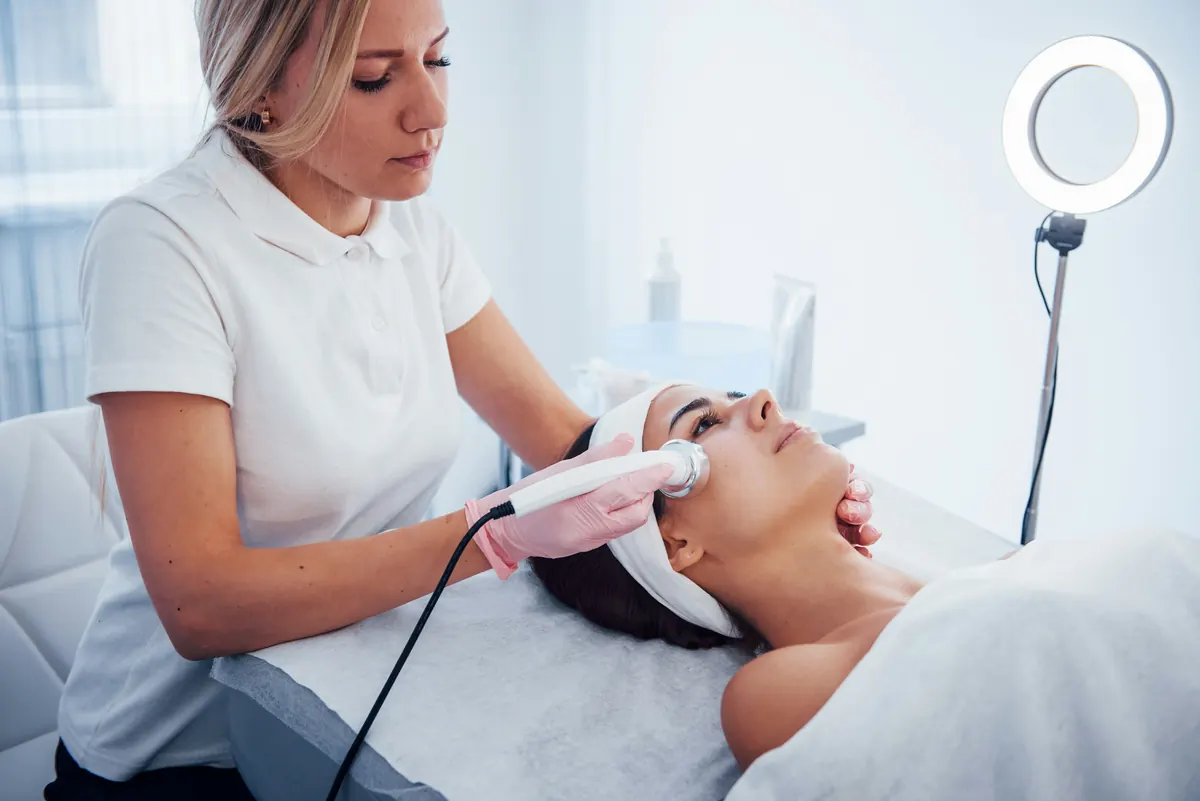
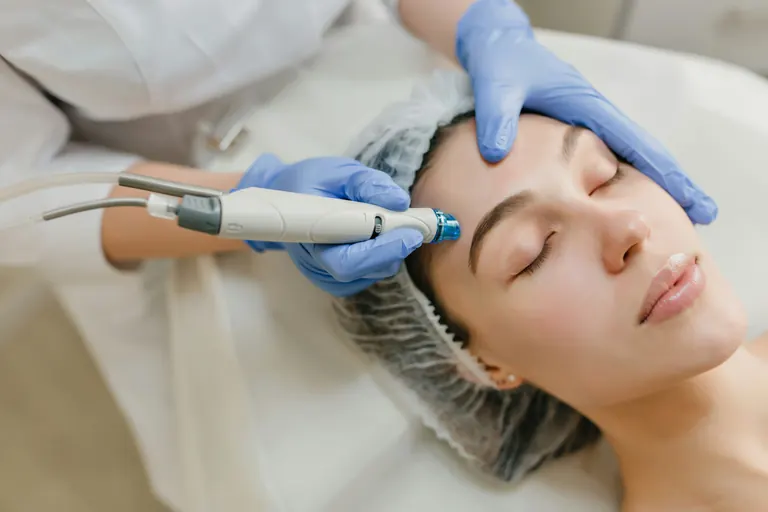
Botox and High-Intensity Focused Ultrasound (HIFU) are two popular non-invasive options for facial rejuvenation. While both aim to reduce signs of aging and enhance skin appearance, they work in fundamentally different ways. Botox targets muscle movement to smooth dynamic wrinkles, while HIFU uses ultrasound energy to stimulate collagen production and tighten the skin.
This in-depth guide compares their mechanisms, effects, costs, safety, and suitability to help you choose the best option for your skin goals.
1. Understanding Botox and HIFU
1.1 Definitions and Origins
Botox (OnabotulinumtoxinA): A neurotoxin derived from Clostridium botulinum. FDA-approved for cosmetic use since 2002, it works by temporarily paralyzing facial muscles to soften expression lines.
HIFU (High-Intensity Focused Ultrasound): A non-invasive treatment that uses focused ultrasound energy to heat skin layers and stimulate collagen production. It was originally developed for tumor treatment and later adapted for cosmetic use.
1.2 Mechanism of Action
- Botox: Blocks signals from nerves to muscles, reducing their activity and preventing wrinkle formation from expressions like frowning or squinting.
- HIFU: Delivers thermal energy deep into the skin (SMAS layer), triggering natural collagen production and resulting in skin tightening and lifting over time.
1.3 FDA Approval and Global Use
- Botox: FDA-approved for multiple aesthetic and medical indications. One of the most trusted cosmetic treatments worldwide.
- HIFU: FDA-cleared for brow, chin, and neck lifting. Popular globally as a non-surgical facelift alternative.
2. How Botox and HIFU diverge
2.A Purpose and Function
- Botox: Best for reducing expression-based dynamic wrinkles (e.g., crow's feet, forehead lines).
- HIFU: Targets skin laxity and mild sagging, making it ideal for lifting the cheeks, jawline, and neck.
2.B Common Treatment Areas
| Area | Botox | HIFU |
|---|---|---|
| Forehead | ✔ Smooths lines | ✖ Less effective for superficial lines |
| Crow’s Feet | ✔ Reduces fine wrinkles | ✖ Not targeted |
| Jowls & Jawline | ✖ | ✔ Lifts and tightens sagging skin |
| Neck & Chin | ✖ | ✔ Firms and contours |
| Cheeks | ✖ | ✔ Tightens and improves skin structure |
2.C Onset and Duration
- Botox: Visible improvement within 3–5 days, full effect in 1–2 weeks. Lasts 3–4 months.
- HIFU: Gradual lifting and tightening, with visible improvement after 2–3 months. Results can last up to 12–18 months.
2.D Texture and Appearance
- Botox: Smooths and relaxes specific wrinkle-prone areas.
- HIFU: Enhances skin tone, tightness, and contours overall, without changing facial expressions.
3. Effectiveness in practice
3.A Anti-Aging Benefits
- Botox: Reduces movement-related lines. Best for those with early to moderate expression wrinkles.
- HIFU: Improves sagging, defines facial contours, and promotes collagen remodeling.
3.B Longevity of Results
| Treatment | Duration |
|---|---|
| Botox | 3–4 months |
| HIFU | 12–18 months with optimal collagen gain |
3.C Ideal for Facial Rejuvenation?
- Botox: Yes, for smoothening specific wrinkle zones.
- HIFU: Yes, for lifting and firming the full face.
4. What each one costs
4.A Average Cost Per Session
- Botox: $250–$600 depending on units and treatment areas.
- HIFU: $800–$2,500 depending on machine, area treated, and provider expertise.
4.B Long-Term Costs
- Botox: Requires maintenance every 3–4 months, totaling ~$1,200–$2,000 per year.
- HIFU: One session can last a year or more, making it cost-efficient long-term.
4.C Accessibility
- Botox: Available through dermatologists, plastic surgeons, and certified med spas.
- HIFU: Offered at cosmetic clinics and aesthetic centers. Ensure provider uses FDA-cleared devices.
5. Side effects and risk
5.A Common Side Effects
- Botox: Mild swelling, bruising, temporary muscle weakness.
- HIFU: Redness, tingling, and minor swelling that resolves within hours or days.
5.B Rare Complications
- Botox: Eyelid droop, asymmetry, or flu-like symptoms.
- HIFU: Numbness, temporary discomfort, or fat loss in rare cases.
5.C Pain and Downtime
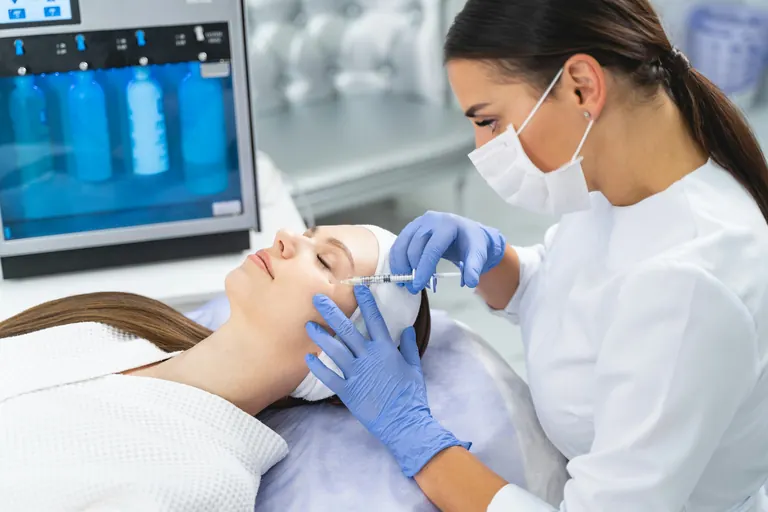
- Botox: Minimal discomfort with a tiny needle; no downtime.
- HIFU: Mild discomfort during treatment; no actual recovery time required.
6. Ideal Candidates: Who Should Choose Which?
Botox Is Best For:
- Adults aged 25–60 with moderate dynamic wrinkles.
- People seeking fast wrinkle reduction without altering skin structure.
- Preventive anti-aging users in their late 20s to 30s.
HIFU Is Best For:
- Adults aged 35–65 with skin laxity, jowls, or early sagging.
- Patients wanting a non-surgical facelift alternative.
- Those looking to stimulate collagen without injectables.
Factors to Consider:
- Age and skin concerns (lines vs. sagging).
- Desired results: targeted wrinkle treatment vs. overall lifting.
- Tolerance for cost, discomfort, and waiting period.
7. Real-World Experience & Expert Opinions
7.1 What Providers Say
- Botox: Effective for quick, targeted results. Predictable and highly customizable.
- HIFU: Best used as a lifting and firming base layer. Often combined with other treatments.
7.2 Before-and-After Observations
- Botox: Smoother forehead, softer crow’s feet.
- HIFU: Lifted cheeks, firmer jawline, overall skin tightening.
8. Combining Botox and HIFU
8.1 Is It Safe to Combine?
Yes. Botox and HIFU address different concerns and work through different pathways. Many practitioners combine them for full-face rejuvenation.
8.2 How to Combine Them
- Begin with HIFU to build collagen and support skin structure.
- Follow up with Botox 2–4 weeks later to smooth dynamic wrinkles.
- Customize the timeline based on your facial assessment.
8.3 Long-Term Planning
- HIFU annually for structural lift.
- Botox quarterly for wrinkle prevention.
- Combined effects offer surgical-like results without downtime.
9. Medical vs. Cosmetic Uses
| Use Case | Botox | HIFU |
|---|---|---|
| Forehead Lines | ✅ | ❌ |
| Jawline Definition | ❌ | ✅ |
| Brow Lift | ✅ | ✅ |
| Neck Rejuvenation | ❌ | ✅ |
| Wrinkle Prevention | ✅ | ❌ |
| Collagen Boost | ❌ | ✅ |
10. Decision Guide: Botox or HIFU?
10.1 What to Consider
- Choose Botox if you need fast, localized wrinkle treatment.
- Opt for HIFU if you’re seeking gradual lifting and collagen renewal.
- Combine both for comprehensive, natural-looking anti-aging.
10.2 Consultation Tips
- Select providers experienced in both treatments.
- Ask about device brand (Ultherapy is FDA-cleared HIFU) and Botox type.
- Discuss timing and treatment plan if combining modalities.
10.3 Choosing the Right Provider
- Botox should only be administered by licensed professionals.
- HIFU should be done using FDA-cleared technology by trained technicians.
- Read reviews, ask for before-and-after photos, and never settle for the cheapest option.
Final Thoughts: Botox vs. HIFU
Botox and HIFU are both powerful tools in the non-surgical anti-aging arsenal. Botox is best for softening movement-based wrinkles, while HIFU lifts and tightens sagging skin by promoting collagen production.
Choosing between them depends on your unique facial anatomy, aging stage, and treatment goals. Many patients achieve their best results using both. Consult a trusted aesthetic professional to craft a personalized plan for the most natural and lasting transformation.

Frequently asked questions
What does HIFU actually do that Botox does not?
It delivers focused ultrasound energy to a set depth beneath the surface, heating tissue to provoke a tightening and remodelling response, including at the level of the fibromuscular layer that surgeons address in a facelift. Botox does nothing to that layer; it stops a muscle contracting. So HIFU is aimed at laxity and definition, and Botox at movement lines.
Is HIFU painful?
It is generally the more uncomfortable of the two by a clear margin. The energy is delivered in pulses at depth, and the sensation is commonly described as brief internal heat or a deep prickling that recurs through the session. Some providers offer pain relief. A neurotoxin appointment is a few fine injections lasting minutes.
How long until HIFU results appear?
Months, because the effect depends on your own collagen response rather than on anything visible on the day. That is the reverse of a neurotoxin, which shows change within days and is judged at two to four weeks. The most common disappointment with HIFU comes from judging it on a neurotoxin timescale.
Can HIFU go wrong?
It delivers heat at a fixed depth, so the risks are about where that energy lands: it is operator and settings dependent in a way that a fixed 20-unit neurotoxin dose is not. Ask what device is being used, what depth settings are planned for your face, and how much experience the operator has with that specific device rather than with energy devices generally.
Would having both make sense?
For many people yes, because sagging and movement lines are separate problems that often arrive together. What matters is separating them in time enough to attribute the results. If a lower face is treated with focused ultrasound and a glabella with a neurotoxin on the same day, an unexpected outcome anywhere becomes very hard to explain.
Sources
Every figure on this page was read from the documents below rather than from a clinic or a manufacturer's marketing. They open in a new tab so you can check any claim here against its source.
- BOTOX Cosmetic prescribing information, FDA via DailyMed
- Botulinum toxin treatment overview, American Academy of Dermatology