Botox vs. Ultrasound (Ultherapy): The Comparison Guide
Reviewed for medical accuracy against our Medical Review Board · Last updated 15 August 2026
Part of Botox vs Skin Tightening and Energy Treatments
Ultherapy lifts by heating deep tissue; Botox softens by relaxing muscle. Neither replaces the other.
Botox and ultrasound-based treatments (such as Ultherapy or HIFU) are two popular non-invasive methods for facial rejuvenation. While both aim to combat signs of aging, they work in entirely different ways. Botox targets muscles that cause dynamic wrinkles, while ultrasound treatments stimulate collagen production deep within the skin.
In this guide, we’ll break down the differences between Botox and ultrasound therapy so you can make an informed decision for your aesthetic needs.
1. Two different treatments: Botox and Ultrasound-Based Treatments
1.1 Definitions and Origins
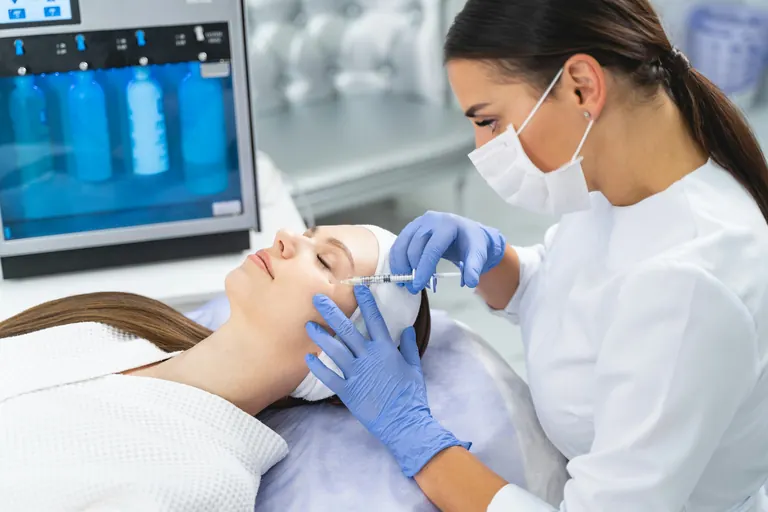
Botox (OnabotulinumtoxinA): A purified neurotoxin derived from Clostridium botulinum, Botox is one of the most researched and widely used cosmetic injectables. It temporarily relaxes targeted muscles that cause dynamic wrinkles, such as those formed from frowning, squinting, or smiling, giving the face a smoother appearance. Botox was FDA-approved in 2002 for cosmetic use and continues to dominate the aesthetic market.
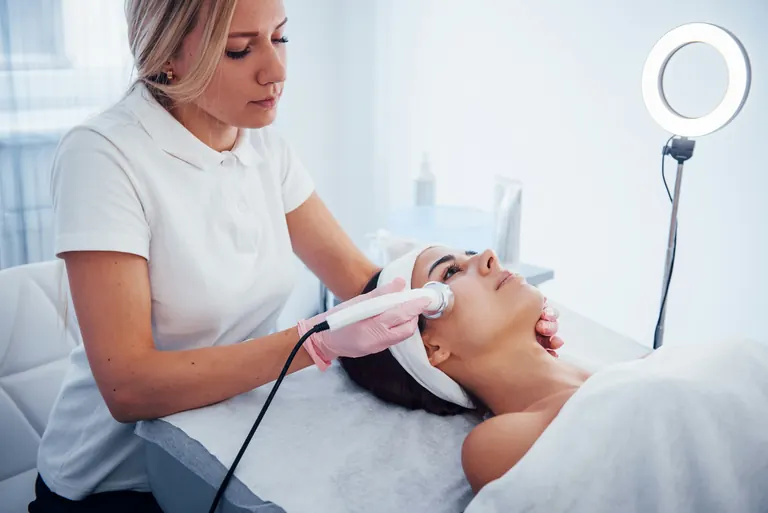
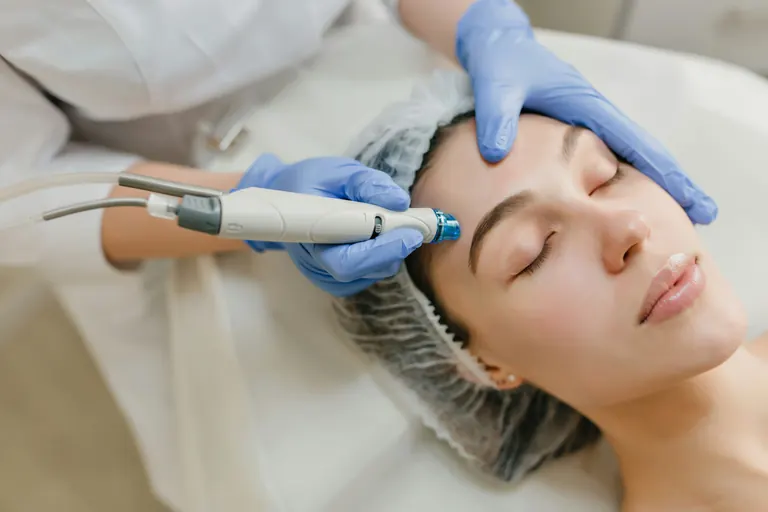
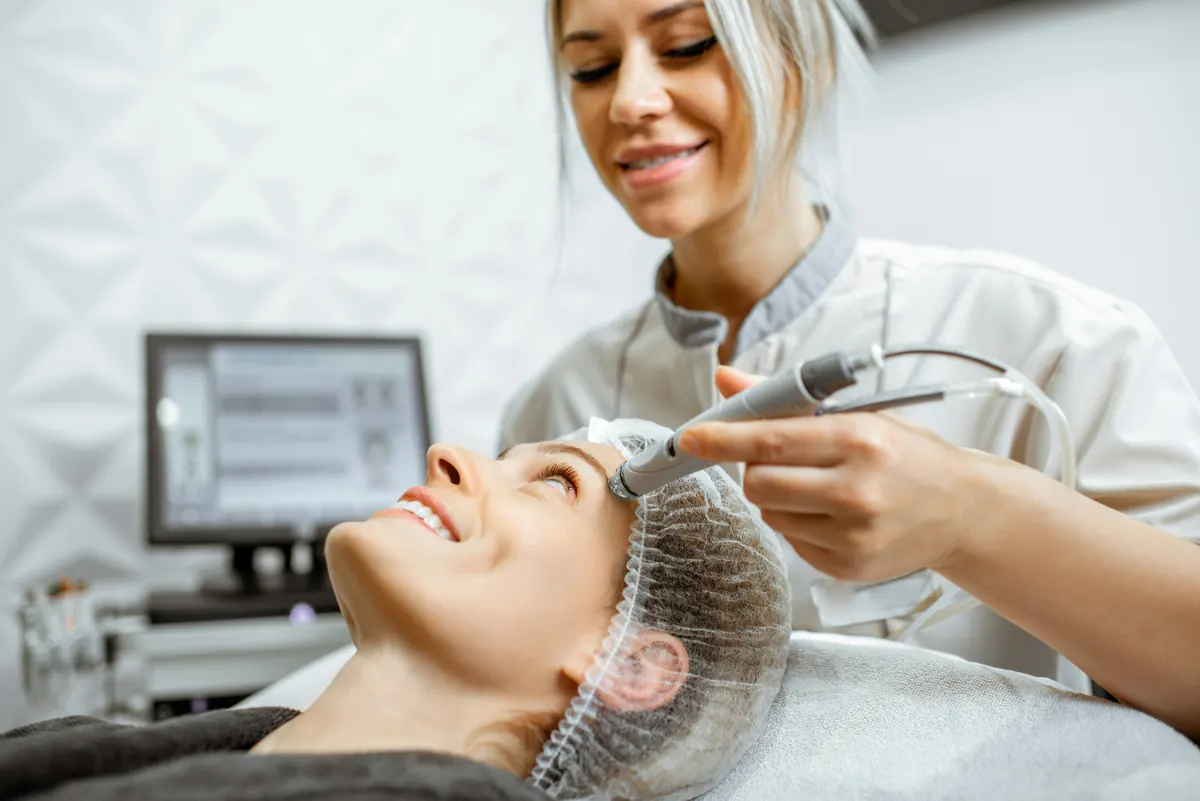
Ultrasound Therapy (e.g., Ultherapy, HIFU): A completely non-invasive procedure that uses micro-focused ultrasound energy to heat tissue below the skin’s surface. This controlled heating triggers the body’s natural response to produce collagen and elastin, leading to skin tightening and lifting. FDA-cleared for lifting and firming areas like the neck, brows, and under the chin.
1.2 Mechanism of Action
- Botox: Blocks the release of acetylcholine at the neuromuscular junction, preventing muscle contraction. This softens wrinkles and prevents deepening of expression lines.
- Ultrasound: Targets deeper layers of skin (SMAS layer) with precision heating that stimulates collagen regeneration without cutting the skin. The new collagen improves skin firmness, elasticity, and contours over time.
1.3 FDA Approval and Global Use
- Botox: FDA-approved for cosmetic and multiple therapeutic uses (e.g., migraines, excessive sweating, muscle spasticity, TMJ). Used globally in both medical and aesthetic settings.
- Ultrasound (Ultherapy/HIFU): FDA-cleared for non-surgical skin tightening and lifting. Widely used in Europe and Asia, especially for lower face rejuvenation.
2. Where Botox and Ultrasound Therapy genuinely differ
2.A Purpose and Function
- Botox: Specifically designed to treat dynamic wrinkles by temporarily halting the movement of facial muscles. Commonly used in the upper face.
- Ultrasound: Improves skin laxity by stimulating collagen production in deeper skin layers. Addresses structural sagging rather than surface wrinkles.
2.B Common Treatment Areas
| Area | Botox | Ultrasound Therapy |
|---|---|---|
| Forehead Lines | ✔ Excellent for horizontal lines and frown lines | ✖ Less effective; not designed for fine surface wrinkles |
| Crow’s Feet | ✔ Smooths dynamic wrinkles around the eyes | ✖ Rarely indicated; area too delicate |
| Jawline & Chin | ✖ Ineffective for skin laxity | ✔ Lifts jowls and defines jawline contours |
| Neck | ✖ Not FDA-approved for neck laxity | ✔ Tightens skin and reduces turkey neck appearance |
| Eyebrows | ✔ Lifts with strategic injections | ✔ Non-invasive brow lift through collagen stimulation |
2.C Onset and Duration
- Botox: Effects begin in 3–5 days, peak around 10–14 days. Results last 3 to 4 months depending on metabolism and muscle activity.
- Ultrasound: No immediate results. Gradual improvement starts in 4–6 weeks, peaks at 3–6 months. Lasts 12 to 18 months depending on age, collagen health, and treatment depth.
2.D Texture and Appearance
- Botox: Visibly smooths targeted wrinkles, resulting in a relaxed and youthful upper face.
- Ultrasound: Improves skin texture, firmness, and tightness in the lower face, under the chin, and around the jawline.
3. Results compared
3.A Anti-Aging Benefits
- Botox: Offers targeted wrinkle reduction and prevention. Can be used preemptively to delay wrinkle formation.
- Ultrasound: Works at a structural level to counteract gravity and collagen loss, which are common signs of aging in people over 35.
3.B Longevity of Results
| Treatment | Duration |
|---|---|
| Botox | 3–4 months |
| Ultrasound (Ultherapy) | 12–18 months |
3.C Ideal for Facial Rejuvenation?
- Botox: Better for dynamic wrinkles in younger or middle-aged patients. Maintains smooth facial expressions with minimal downtime.
- Ultrasound: Suited for patients with sagging skin, especially in the lower face. Often preferred by older patients or those avoiding injectables.
4. The real cost of each
4.A Average Cost Per Treatment
- Botox: $10–$20 per unit. Most treatments require 20–60 units depending on area.
- Forehead: $200–$400
- Crow’s feet: $250–$400
- Frown lines: $300–$500
- Ultrasound Therapy:
- Full face: $2,000–$4,000
- Neck only: $1,200–$2,500
- Brow lift: $750–$1,200
4.B Maintenance Frequency
- Botox: Every 3–4 months for optimal wrinkle management.
- Ultrasound: Once per year; some may benefit from touch-ups every 12–18 months depending on age and collagen loss.
5. Risks worth knowing about
5.A Common Side Effects
- Botox: Mild swelling, redness, bruising at injection sites. Occasional headaches or eyelid heaviness.
- Ultrasound: Redness, mild swelling, temporary tingling or tenderness. Discomfort during treatment is common and may require numbing cream.
5.B Rare Complications
- Botox: Muscle asymmetry, drooping eyelids or brows, allergic reactions, typically related to injection technique.
- Ultrasound: Rare cases of nerve sensitivity or tingling lasting several weeks. No risk of bruising or infection as it is non-invasive.
6. Ideal Candidates: Who Should Choose Which?
Botox Is Best For:
- Patients under 50 with dynamic wrinkles.
- People seeking fast results for events or photo shoots.
- Those who are comfortable with injectables and want visible, reliable smoothing effects.
Ultrasound Therapy Is Best For:
- People over 35 with visible skin laxity, especially in the jawline and neck.
- Patients preferring non-invasive treatments.
- Those wanting a longer-term lift without repeated procedures.
Consider Your Goals
- Looking for quick fixes for facial lines? Choose Botox.
- Want to tighten and lift sagging skin over time? Choose ultrasound.
- For comprehensive anti-aging, many providers recommend combining both.
7. Real-World Experience & Expert Opinions
7.1 What Providers Say
- Botox: Consistently delivers targeted wrinkle reduction. Best results with experienced injectors who understand facial anatomy.
- Ultrasound: Praised for being the only FDA-cleared non-invasive lifting method. Requires a skilled technician to avoid discomfort and achieve uniform tightening.
7.2 Patient Feedback
- Botox: Loved for its fast-acting, confidence-boosting results. Most return regularly for upkeep.
- Ultrasound: Praised for long-term results. Some patients report pain during treatment but are satisfied with the lasting lift.
7.3 What the results look like
- Botox: Smooth forehead, reduced crow’s feet, lifted brows.
- Ultrasound: Firmer jowls, defined jawline, tightened skin under the chin.
8. Combination Treatments
8.1 Can You Combine Botox and Ultrasound?
Yes, they complement each other perfectly. Botox addresses muscle movement; ultrasound lifts the underlying support structures. Together, they provide a multi-dimensional approach to aging.
8.2 Treatment Sequence
- Start with ultrasound to stimulate deep collagen production.
- Follow 1–2 weeks later with Botox to refine dynamic wrinkles.
8.3 Maintenance Plan
- Annual ultrasound + quarterly Botox.
- Tailor based on patient’s age, goals, and prior treatments.
Final Thoughts: Botox vs. Ultrasound
Botox and ultrasound therapy are both powerful tools in facial rejuvenation, but they serve different purposes. Botox is unmatched for softening dynamic wrinkles quickly, while ultrasound lifts and tightens sagging skin over time by rejuvenating the skin’s deeper layers.
For best results, consult a qualified provider to develop a treatment plan that aligns with your skin’s needs and your personal goals. With the right combination or standalone strategy, you can restore a more youthful, refreshed appearance without surgery.

Frequently asked questions
What can ultrasound tightening do that Botox cannot?
It reaches a layer a neurotoxin never touches. Focused ultrasound is delivered to a set depth beneath the surface, including the fibromuscular layer that surgeons lift in a facelift, and the heat provokes tightening and collagen remodelling. Botox works at the neuromuscular junction to stop a muscle contracting. Sagging and movement lines are different problems.
How long before I see anything?
Months, because what you are waiting for is your own collagen response rather than an immediate mechanical change. A neurotoxin shows change within days and is assessed at two to four weeks. Judging a tightening treatment on that timescale is the single most common reason people conclude it did not work.
Is it uncomfortable?
Generally more so than injections, and honestly described as brief deep heat or prickling that recurs through the session as energy is delivered. Providers vary in what they offer for comfort. A neurotoxin appointment is a few fine injections over a couple of minutes.
Does it work on everyone?
Skin laxity that has passed a certain point does not respond well to tightening, and no device setting changes that. Where volume has been lost rather than skin loosened, neither ultrasound nor a neurotoxin is the answer. An assessment that says a treatment is unlikely to help you is worth more than one that says everything will.
Should I do this or Botox first?
They can be sequenced either way, and the useful principle is separation rather than order: leave enough time between them to attribute any change or any problem to one treatment. Doing both in one visit makes an unexpected result very hard to explain.
Sources
Every figure on this page was read from the documents below rather than from a clinic or a manufacturer's marketing. They open in a new tab so you can check any claim here against its source.
- BOTOX Cosmetic prescribing information, FDA via DailyMed
- Botulinum toxin treatment overview, American Academy of Dermatology