
The Ultimate Letybo Guide
Reviewed for medical accuracy against our Medical Review Board · Last updated 22 August 2026
Part of Botox vs Other Brands
Letybo is a botulinum toxin type A made by Hugel in South Korea, approved by the FDA on 29 February 2024 for one thing only: moderate to severe frown lines between the eyebrows. The dose is 20 units across five injection points. Its units are not comparable to Botox units, and the label says so explicitly, which means asking which is cheaper per unit is a question with no answer.
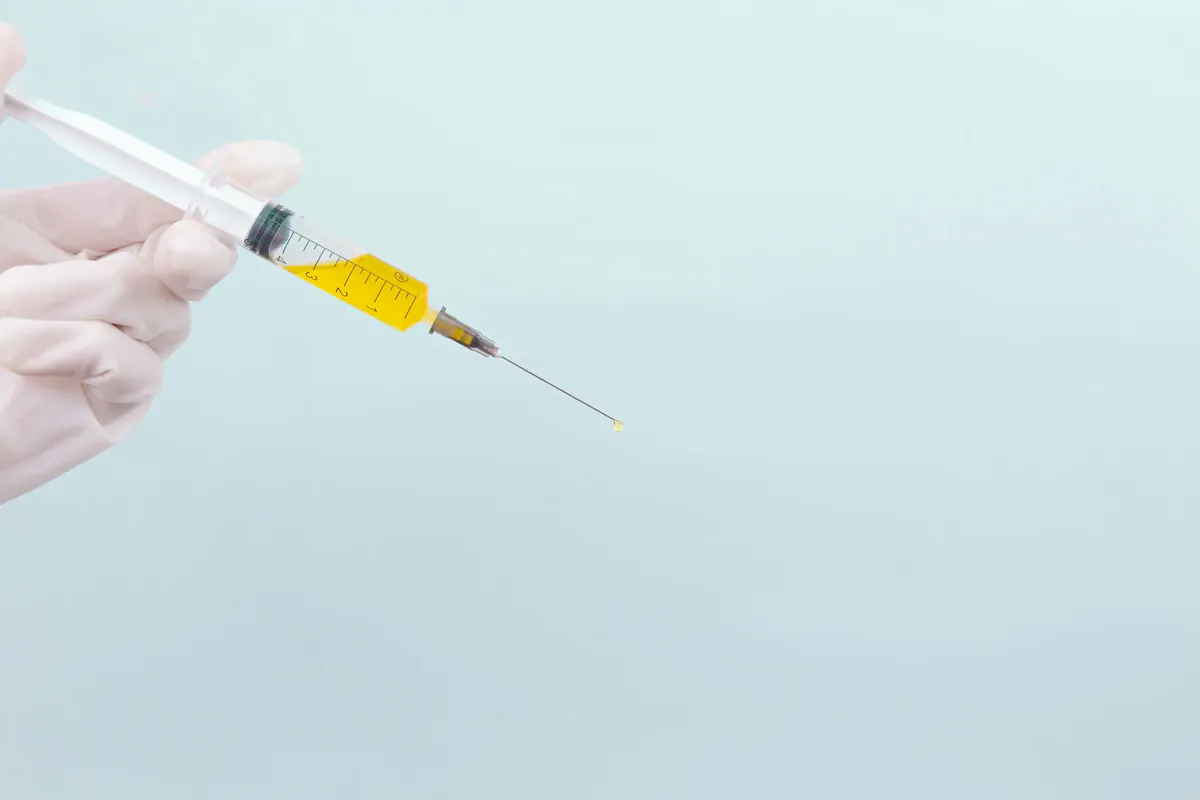
Letybo is the newest botulinum toxin to reach the American market, and because it arrived recently there is more marketing about it than there is plain information. This guide is built from the FDA label rather than from clinic pages.
1. What Letybo actually is
Letybo is the brand name for letibotulinumtoxinA-wlbg, a botulinum toxin type A made by Hugel, Inc., a South Korean manufacturer. It is an acetylcholine release inhibitor and a neuromuscular blocking agent, which is the same class and the same basic mechanism as Botox, Dysport, Xeomin, Jeuveau and Daxxify.
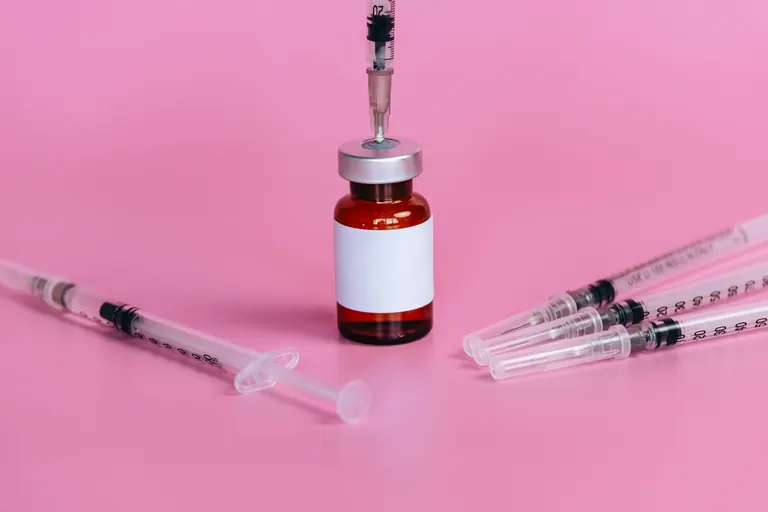
It is supplied as a freeze-dried powder in either a 50 unit or a 100 unit single-dose vial, reconstituted with sterile saline before injection.
What matters is that it is a fully FDA-approved product, not one of the Korean toxins that circulate without US approval. That distinction is worth holding onto: Letybo cleared the FDA, whereas several other Korean-made toxins you may see named have not, and being treated with one of those in the United States is a different proposition entirely.
2. Approved for exactly one thing
This is the fact that should shape your decision, and it is the one most often left out.
Letybo is indicated for the temporary improvement in the appearance of moderate to severe glabellar lines associated with corrugator and/or procerus muscle activity in adult patients. Glabellar lines are the vertical frown lines between your eyebrows, the ones people call elevens.
That is the entire indication. Nothing else. Compare it with Botox Cosmetic:
| Product | Approved cosmetic areas | Count |
|---|---|---|
| Letybo | Frown lines (glabellar) only | 1 |
| Botox Cosmetic | Frown lines, crow's feet, forehead lines, platysma bands in the neck | 4 |
The label goes further than simply listing the indication. It warns specifically about the risk of serious adverse reactions after Letybo injections for unapproved uses. So if a clinic offers you Letybo for your forehead, your crow's feet, your masseter or your neck, that is off-label use of a product whose label singles out unapproved use as a risk. That is not automatically wrong, and off-label prescribing is legal and often appropriate, but it is a conversation to have knowingly rather than by default.
If frown lines are what you want treated, Letybo is squarely on-label. Our guide to Botox for frown lines and the glabella covers that area's anatomy in depth, and it applies whichever toxin you choose.
3. Why you cannot compare Letybo units to Botox units
Every brand of botulinum toxin is measured in units, and it is the most misleading word in aesthetics. A unit is not a quantity of drug. It is a measure of biological activity determined by the manufacturer's own assay, and the assays differ.
The Letybo label states this about as plainly as a regulatory document ever states anything:
| The label's wording |
|---|
| Potency units of Letybo are specific to the preparation and assay used. They are not interchangeable with other preparations of botulinum toxin products, and units of biological activity of Letybo cannot be compared to nor converted into units of any other botulinum toxin product assessed with any other specific assay. |
Read what that rules out. It means the question "is Letybo cheaper per unit than Botox" has no meaningful answer. A clinic quoting you $9 a unit for Letybo against $13 a unit for Botox is not offering you a discount, and it is not offering you a premium either. The two numbers describe different things.
This is not a Letybo quirk. Dysport has the same problem and it is more widely exploited: clinics routinely advertise Dysport at roughly a third of their Botox rate, which looks like a bargain and mostly is not, because it takes around two and a half to three Dysport units to do the work of one Botox unit. We found three clinics doing exactly that in a single city while researching Houston.
The only comparison that means anything is the total price for your treatment, in dollars. Ask what the whole thing costs, not what a unit costs. Our units guide and calculator explains how unit counts work per area, and the price guide covers what actually moves the number.
4. The dose, and the map it follows
The recommended dose is 20 units per treatment session, given as five equal intramuscular injections of 4 units each: two into each corrugator muscle and one into the procerus.
If that sounds familiar, it is because it is structurally identical to Botox Cosmetic's approved glabellar protocol, which is also 4 units into each of 5 sites for 20 units total, into the same muscles. Same injection map, same number of points, same nominal unit count.
And yet, per section 3, those 20 units are not the same 20 units. This is exactly why the unit comparison confuses people: the numbers line up while the quantities do not.
One practical note on the vials. Letybo comes in 50 and 100 unit vials, and a 20 unit treatment uses a fraction of either. Reconstituted toxin has a limited useful life, so ask whether the vial was opened for you or is being shared across a session. That question applies to every brand, and it is reasonable to ask.
5. The evidence behind the approval
Letybo was approved on the strength of three randomised, multi-centre, double-blind, placebo-controlled trials of identical design: BLESS I, BLESS II and BLESS III.
- 1,276 people enrolled, with 1,271 evaluable for efficacy.
- Randomised 3 to 1, so 954 received Letybo and 317 received placebo.
- Healthy adults aged 19 to 75, with glabellar lines of at least moderate severity at maximum frown.
- People who already had ptosis, deep dermal scarring, or lines that could not be substantially lessened even by physically spreading them apart, were excluded.
That last exclusion is quietly informative for anyone deciding whether this treatment is for them. If your frown lines stay put when you stretch the skin apart with your fingers, they are etched into the skin rather than held by muscle, and a neurotoxin was not tested on that and will not fix it. That is a filler or resurfacing question.
6. Timeline and how often you can have it
Botulinum toxins share a broadly similar course: nothing for a day or two, a build over the first week, full effect at roughly two weeks, then a gradual fade. Letybo behaves like its class, and two weeks is the point at which you judge the result rather than at day three.
The label is specific about frequency, and this one is a hard number: Letybo should be administered no more frequently than every three months, and the cumulative dose has to be taken into account. So if a clinic offers to top you up at six weeks because you are not happy, that is outside the label.
Wanting a top-up early is usually a sign the first dose was wrong for you rather than that you need more frequent treatment. The right response is a different dose next time, not a shorter interval.
How long does Letybo last, and why the label will not tell you
This is the question people actually search, and the honest answer is that the Letybo label states no duration of effect. There is no "results last three to four months" sentence anywhere in it. The only efficacy timepoint its trials report is Week 4.
That is not unusual among the newer products, but it is not universal either. Of the six approved neurotoxins, only two state a duration for glabellar lines in their labels: Botox Cosmetic, at approximately three to four months, and Dysport, at up to four months. Xeomin, Daxxify, Jeuveau and Letybo state none.
What Letybo does have is an unusually large trial programme, and its results carry a warning of their own. Three trials of identical design, BLESS I, II and III, enrolling 1,276 people between them, produced these success rates at Week 4:
| Trial | Letybo | Placebo |
|---|---|---|
| BLESS I | 246/528 (47%) | 0/175 (0%) |
| BLESS II | 78/160 (49%) | 1/53 (2%) |
| BLESS III | 172/266 (65%) | 0/89 (0%) |
47%, 49% and 65% from the same protocol. An 18-point spread between identically designed trials of the same drug is a useful thing to hold on to: it is why we will not tell you Letybo lasts a specific number of weeks, and why cross-brand percentage comparisons are unsound. We work through that in full on Letybo vs the other neurotoxins.
So in practice: judge at around two weeks, expect a gradual fade rather than a cut-off, and understand that you cannot be re-treated inside three months regardless of when it fades. Anything more precise, for this product, is experience rather than an approved claim.
7. What it costs, and how to compare honestly
We do not publish a per-unit price for Letybo, and after section 3 you can see why: a per-unit figure for a product whose units cannot be converted is a number that invites a false comparison.
What is useful is knowing what the equivalent treatment costs. A 20 unit glabellar treatment is the same job whichever product does it, so here is that treatment at the Botox rates clinics actually publish in the cities we verify. Use it as the benchmark a Letybo quote has to beat or match:
| City | Published rate per unit | 20 to 20 units |
|---|---|---|
| Atlanta, GA | $9 to $15 | $180 to $300 |
| Austin, TX | $11 to $13.5 | $220 to $270 |
| Charleston, SC | $9.99 to $13 | $200 to $260 |
| Charlotte, NC | $9 to $15 | $180 to $300 |
| Chicago, IL | $9 to $15 | $180 to $300 |
| Denver, CO | $10 to $16 | $200 to $320 |
| Houston, TX | $12 to $14.5 | $240 to $290 |
| Las Vegas, NV | $10 to $16 | $200 to $320 |
| Nashville, TN | $10 to $14 | $200 to $280 |
| Philadelphia, PA | $10 to $15 | $200 to $300 |
| Phoenix, AZ | $9.99 to $13 | $200 to $260 |
| Raleigh, NC | $13 to $14 | $260 to $280 |
| Salt Lake City, UT | $9.8 to $14 | $196 to $280 |
| San Antonio, TX | $10.5 to $12.5 | $210 to $250 |
| Scottsdale, AZ | $10.5 to $13.5 | $210 to $270 |
| Tampa, FL | $10 to $18 | $200 to $360 |
Then ask the clinic one question: what is the total, in dollars, for treating my frown lines with Letybo? If the answer is meaningfully below the range above, that is a genuine saving. If it is expressed only as a rate per unit, you have not been given a comparable number.
New products are also often introduced at promotional prices to build market share, which is a real opportunity and also a reason to ask what the standing price will be at your next visit.
8. Safety, including the part nobody mentions
Letybo carries the same boxed warning as every botulinum toxin product: the effect can spread beyond the injection site, producing symptoms consistent with botulinum toxin effects, and the label directs that you seek immediate medical attention if breathing, speech or swallowing difficulties occur. Those are emergencies, not side effects to wait out.
Two things on the Letybo label are worth calling out because clinic pages do not:
- Cardiovascular events. The label states that adverse event reports have been received involving the cardiovascular system, some with fatal outcomes, and directs caution when administering to patients with pre-existing cardiovascular disease. If that describes you, it belongs in the conversation.
- Unapproved uses. As in section 2, the label specifically flags the potential for serious adverse reactions after injections for unapproved uses.
Also worth knowing: aminoglycoside antibiotics, anticholinergic agents and anything else that interferes with neuromuscular transmission can potentiate the effect, so a current medication list is not a formality. And a drooping eyelid is a recognised complication across this whole drug class, covered in our guide to a droopy eyelid after Botox, which applies to Letybo too.
Whichever brand you choose, the person injecting matters more than the product. Check the license yourself with our 50 state verification guide.
9. Who it suits, and who should look elsewhere
Letybo is a sensible choice if:
- Frown lines between the eyebrows are what you want treated. That is its approved use and where the trial evidence sits.
- You are being offered it at a genuinely lower total price than the equivalent Botox treatment.
- You want an FDA-approved product and are comfortable that it is newer to the US market than the alternatives.
Look at other options if:
- You want several areas treated. Botox Cosmetic holds four approved areas; using Letybo across your face means going off-label on a label that warns about it.
- You want the longest published duration, in which case Daxxify is the product making that claim.
- You are told Letybo is cheaper per unit, and that is the whole argument. Ask for the dollar total instead.
- Your frown lines do not soften when you stretch the skin apart. No toxin will fix etched lines.
For a direct head-to-head on results, cost and switching between them, see our Letybo against Botox comparison. For the other alternatives, we cover Dysport and Daxxify in their own guides.
10. What to ask before you agree
- What is the total price in dollars for treating my frown lines with Letybo, not the price per unit?
- Are you treating only my glabellar lines, or somewhere else as well? If elsewhere, that is off-label for this product.
- How many Letybo treatments have you done? It reached the US in 2024, so experience varies widely.
- Was this vial reconstituted for me, and when?
- Is this an introductory price, and what will it be next time?
- I have a cardiovascular history, or I take these medications. Does that change your advice?
- When do we assess the result, and what happens if it is uneven? The answer should be two weeks, and any adjustment should respect the three month minimum interval.
And the single sentence worth carrying into the room: units do not compare across brands, so compare totals.
The next one after Letybo. Relfydess, a ready-to-use liquid toxin from Galderma, is approved in 33 markets and is not FDA approved: it received a Complete Response Letter in July 2026 over manufacturing rather than safety.
Frequently asked questions
What is Letybo?
Is Letybo FDA approved?
What is Letybo approved to treat?
How many units of Letybo do you need?
Is Letybo cheaper than Botox?
How long does Letybo last?
Is Letybo as good as Botox?
Who makes Letybo?
Are there Letybo side effects I should know about?
Can Letybo be used on the forehead or crow's feet?

Sources
Every figure on this page was read from the documents below rather than from a clinic or a manufacturer's marketing. They open in a new tab so you can check any claim here against its source.
- LETYBO prescribing information, FDA via DailyMed
- BOTOX Cosmetic prescribing information, FDA via DailyMed
Keep reading
 Botox Comparison GuidesBotox vs. Letybo
 Botox Comparison GuidesBotox vs. Jeuveau
 Botox Comparison GuidesBotox vs. Nabota
 Botox Comparison GuidesBotox vs. Xeomin
 Botox Comparison GuidesDaxxify vs. Botox
 Other NeurotoxinsJeuveau
 Other NeurotoxinsLetybo vs Every Other Neurotoxin
 Other NeurotoxinsLetybo Price and Cost Per Unit
 Other NeurotoxinsWhere to Get Letybo