Botox vs. Bee Venom: The Comparison Guide
Reviewed for medical accuracy against our Medical Review Board · Last updated 15 August 2026
Part of Botox vs Natural Alternatives and Surgery
One is a regulated prescription medicine. The other is a skincare ingredient trading on a borrowed reputation.
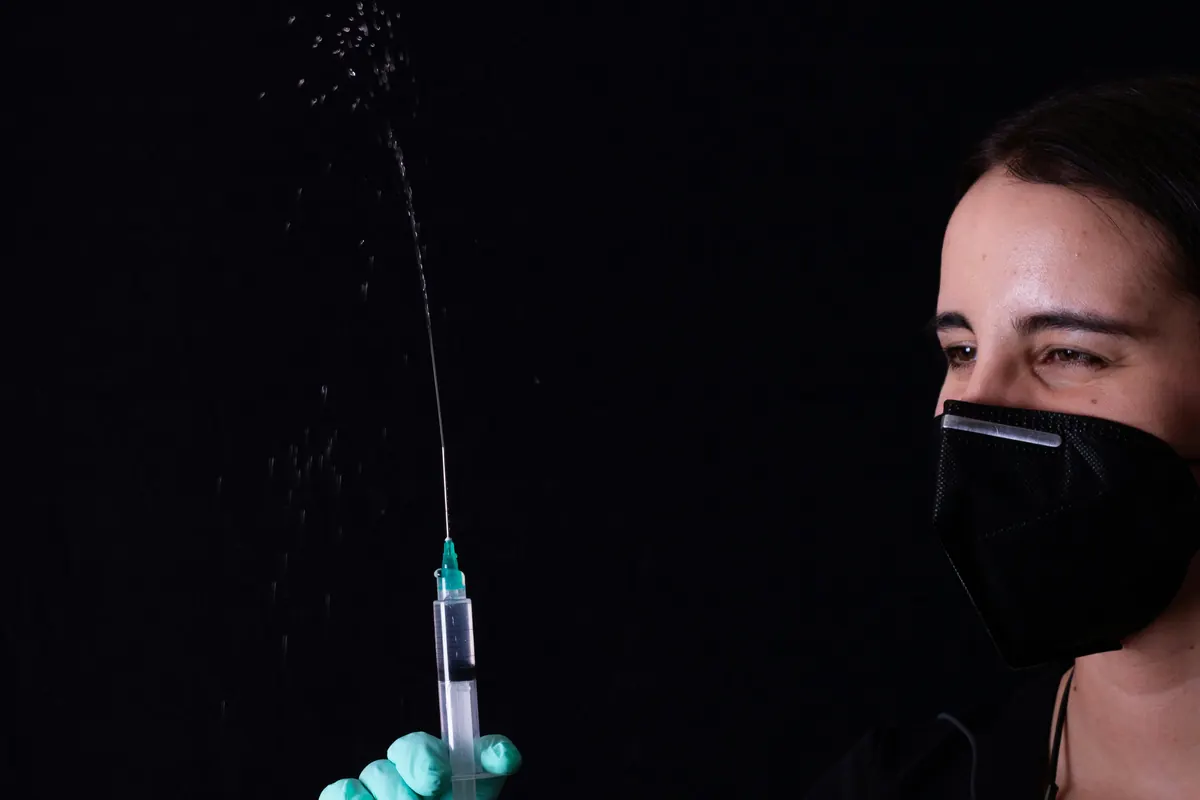
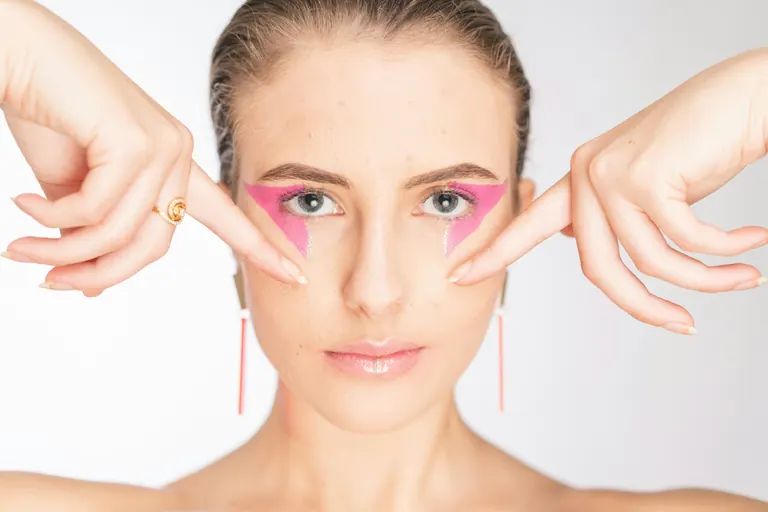
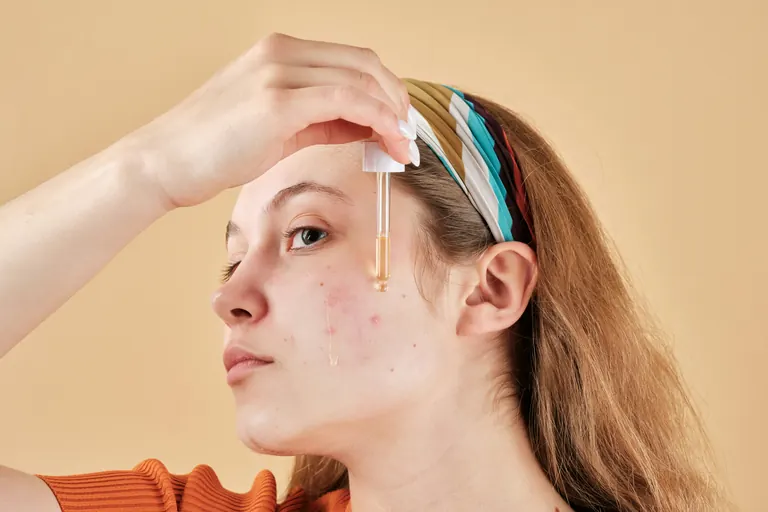
Botox and bee venom are both known for their wrinkle-smoothing effects, but they operate in completely different ways. Botox is a medical-grade injectable used to temporarily paralyze facial muscles, while bee venom is a natural skincare ingredient touted as “nature’s Botox” for its tightening and anti-inflammatory properties.
This guide will help you understand how each treatment works, what they’re used for, safety concerns, results, costs, and how to choose the best option based on your skin goals.
1. Botox and Bee Venom explained
1.1 Definitions and Origins
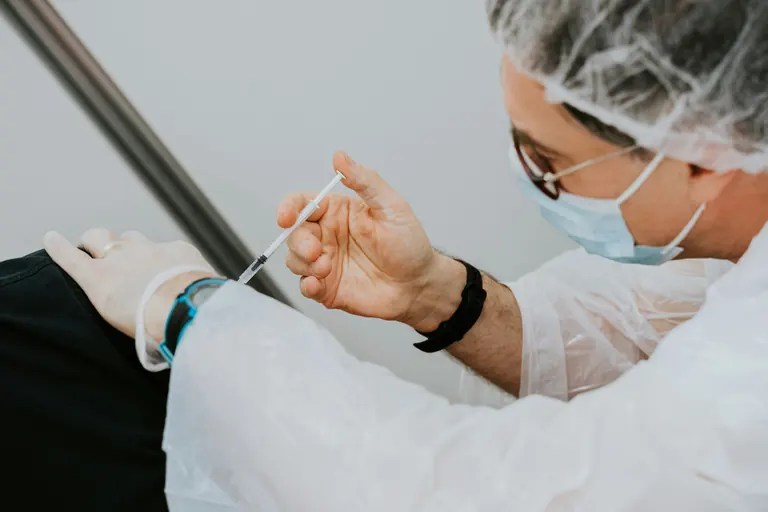
Botox (OnabotulinumtoxinA): A purified protein derived from the bacterium Clostridium botulinum, Botox is an FDA-approved injectable used to reduce dynamic facial wrinkles by relaxing targeted muscles. It was originally developed for treating eye and muscle disorders but gained popularity for its cosmetic use in the early 2000s.
Bee Venom (Apitoxin): A natural substance secreted by honeybees when they sting, bee venom has been used in traditional medicine for centuries. It contains a complex mix of peptides, enzymes, and amino acids, including melittin and apamin, which are believed to stimulate collagen and elastin production when used in skincare.
1.2 Mechanism of Action
- Botox: Works by blocking the release of acetylcholine, a neurotransmitter responsible for muscle contractions. By doing so, it relaxes the muscle and smooths the overlying skin, effectively reducing wrinkles caused by facial expressions.
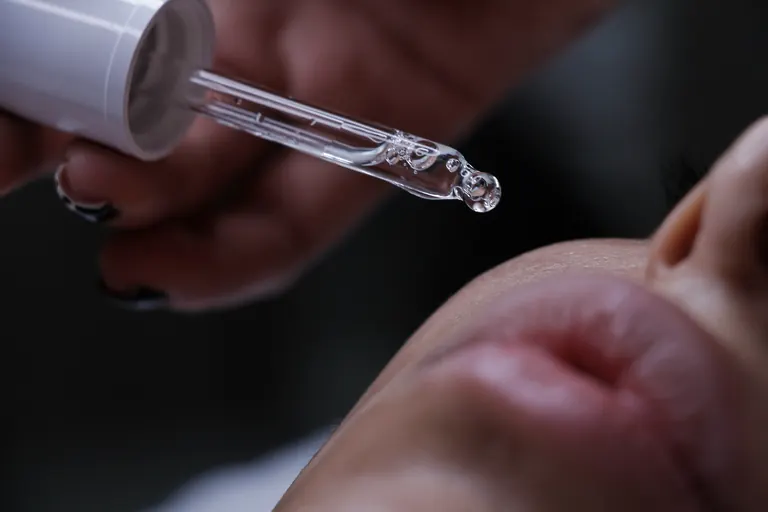
- Bee Venom: Triggers a mild inflammatory response on the skin, which mimics the sensation of a bee sting. This encourages blood circulation, stimulates the production of collagen and elastin, and promotes cellular renewal, leading to firmer, more radiant skin over time.
1.3 FDA Approval and Global Use
- Botox: Approved by the FDA for cosmetic use since 2002 and for medical indications since the 1980s. It is used in more than 90 countries and is one of the most researched and trusted aesthetic treatments worldwide.
- Bee Venom: Not FDA-approved for medical use but widely used in cosmetic products across Asia, Europe, and the U.S. It is incorporated into serums, creams, and masks, often marketed as a natural anti-aging ingredient.
2. Botox vs Bee Venom: the differences that matter
2.A Purpose and Function
- Botox: Specifically targets dynamic wrinkles such as forehead lines, frown lines, and crow’s feet by halting muscle contractions. It is best suited for those looking for precise and medically-supervised wrinkle reduction.
- Bee Venom: Focuses on overall skin health by enhancing hydration, firmness, and brightness. While it can reduce fine lines over time, it does not target the underlying muscle activity that causes deeper wrinkles.
2.B Common Treatment Areas
| Area | Botox | Bee Venom |
|---|---|---|
| Forehead Wrinkles | Strong muscle relaxation | Light firming and skin hydration |
| Crow’s Feet | Reduces movement-based lines | Improves skin texture and brightness |
| Smile Lines | Softens deep expression lines | Supports hydration and elasticity |
| Sagging Skin | Not designed for lifting | Slight lift through collagen stimulation |
| Acne-Prone Skin | Not applicable | Anti-bacterial and anti-inflammatory properties |
2.C Onset and Duration
- Botox: Starts showing visible effects within 3 to 5 days, with full results seen in 10–14 days. Effects last 3 to 4 months depending on the treated area, lifestyle, and metabolism.
- Bee Venom: Requires daily use for 2 to 4 weeks to notice initial results. Improvements are subtle and gradual, with cumulative benefits when used consistently over time.
2.D Texture and Appearance
- Botox: Provides a smoothed, lifted look by targeting muscular movement beneath the skin. It is highly effective at erasing dynamic lines and giving a fresher, more youthful appearance.
- Bee Venom: Offers a dewy, plump finish and revitalizes the skin's surface. It enhances skin tone, radiance, and firmness but does not significantly affect deeper wrinkles.
3. How well each one actually works
3.A Anti-Aging Focus
- Botox: Ideal for dynamic wrinkles caused by repeated facial expressions such as frowning, squinting, and smiling. Also used preventively in younger patients.
- Bee Venom: Suited for people experiencing early signs of aging, such as dullness, dehydration, and fine lines. It supports skin rejuvenation but is not a substitute for neuromodulators.
3.B Longevity of Results
| Treatment | Typical Duration |
|---|---|
| Botox | 3–4 months per session |
| Bee Venom | Benefits continue with ongoing use |
3.C Ideal for Facial Rejuvenation?
- Botox: Yes, especially for targeted wrinkle reduction, quick results, and predictable outcomes.
- Bee Venom: Yes, as part of a broader skincare regimen to enhance glow and overall skin texture.
4. Pricing compared
4.A Average Cost
- Botox: Typically ranges from $250 to $600 per treatment, depending on the area treated and the injector’s expertise.
- Bee Venom Products: Range from $30 for basic creams to over $200 for luxury serums with concentrated formulas.
4.B Long-Term Costs
- Botox: Repeat sessions needed every 3 to 4 months to maintain results, potentially totaling $1,000–$2,000 per year.
- Bee Venom: Requires continuous use; yearly product costs may vary from $300 to $800 depending on the brand and routine.
4.C Accessibility
- Botox: Requires an appointment with a certified professional in a clinical or medical spa setting.
- Bee Venom: Readily available in beauty stores and online. No appointment or license required.
5. How safe is each one
5.A Common Side Effects
- Botox: Temporary redness, swelling, bruising, or tightness at the injection site. Most effects resolve within a few hours to a couple of days.
- Bee Venom: Mild irritation, redness, or tingling, especially during initial use. Users with sensitive skin may experience more noticeable discomfort.
5.B Rare Risks
- Botox: Rare complications include eyelid drooping (ptosis), eyebrow asymmetry, or undesired muscle weakness if injected incorrectly.
- Bee Venom: Risk of severe allergic reactions, including anaphylaxis, especially in people allergic to bee stings. Always perform a patch test.
5.C Suitability for Sensitive Skin
- Botox: Generally well-tolerated when administered by trained professionals.
- Bee Venom: Should be used with caution in sensitive or allergy-prone individuals. Always consult a dermatologist before starting.
6. Ideal Candidates: Who Should Choose Which?
Botox Is Best For:
- Individuals with moderate to deep wrinkles caused by facial movement.
- Those looking for fast, visible, and localized wrinkle reduction.
- People who prefer clinical treatments with proven efficacy.
Bee Venom Is Best For:
- Individuals with early signs of aging or minimal wrinkling.
- Those interested in natural or organic skincare alternatives.
- People looking to improve overall skin quality, hydration, and glow.
Considerations
- Bee venom can complement Botox but does not replace its muscle-relaxing effects.
- Choice depends on skin goals, sensitivity, and commitment to skincare routines.
7. Real-World Experience & Expert Opinions
7.1 What Professionals Say
- Botox: Dermatologists and aesthetic professionals value Botox for its safety profile and predictable, dramatic results.
- Bee Venom: Skincare professionals acknowledge its antioxidant and hydrating properties, though most agree it works best as part of a well-rounded skincare program rather than a standalone anti-aging solution.
7.2 Before-and-After Impressions
- Botox: Notable reduction in forehead lines, crow’s feet, and brow furrows.
- Bee Venom: Improved texture, hydration, and skin tone over weeks of use.
8. Combining Botox and Bee Venom
8.1 Is It Safe to Use Both?
Yes. These treatments work through completely different mechanisms and can safely be combined to enhance overall anti-aging results.
8.2 How to Combine Them
- Schedule Botox injections for muscle-related wrinkle control.
- Apply bee venom serums or creams daily to enhance skin tone, moisture, and resilience.
- Space out product use post-injection (wait 1–2 days) to allow injection sites to settle.
8.3 Tips for Success
- Use reputable bee venom skincare brands to avoid harmful additives.
- Never use bee venom if allergic to bee stings.
- Be consistent, anti-aging is a marathon, not a sprint.
9. Medical vs. Cosmetic Uses
| Use Case | Botox | Bee Venom |
|---|---|---|
| Wrinkle Reduction | ✅ | ✅ (mild) |
| Deep Expression Lines | ✅ | ❌ |
| Skin Hydration | ❌ | ✅ |
| Acne or Redness | ❌ | ✅ |
| Migraine Relief | ✅ | ❌ |
Botox addresses both cosmetic and medical concerns. Bee venom, on the other hand, is limited to cosmetic and topical skincare applications.
10. Decision Guide: Botox or Bee Venom?
10.1 What to Consider
- For significant wrinkle reduction and facial reshaping, go with Botox.
- For subtle skin renewal and hydration, try bee venom.
- For comprehensive results, many patients use both treatments as part of a full anti-aging plan.
10.2 Consultation Tips
- Talk to a dermatologist about your skin type, sensitivity, and wrinkle severity.
- Ask about ingredient concentrations and safety if choosing bee venom products.
10.3 Choosing Quality Products and Providers
- Botox: Always visit a licensed injector with experience in facial anatomy.
- Bee Venom: Look for clean formulas backed by clinical testing and ethical sourcing.
Final Thoughts: Botox vs. Bee Venom
Botox and bee venom may both be known for reducing the signs of aging, but they cater to different needs and outcomes. Botox offers targeted, dramatic wrinkle reduction through muscle paralysis. Bee venom provides a gentler, skincare-based approach to enhance skin tone, firmness, and glow.
For those looking for visible, long-lasting wrinkle smoothing, Botox remains the gold standard. For natural skincare lovers aiming to boost radiance and hydration, bee venom can be a valuable addition to your routine.
Combining the two treatments. Botox for structure and bee venom for surface texture, can offer a comprehensive, youthful transformation. Always consult with a qualified provider before starting any new treatment or skincare product.

What the bee venom research actually studied, and it is not wrinkles
Bee venom is marketed as a natural alternative to Botox, often as "nature's Botox". We went looking for the trial behind that claim. The randomised evidence on cosmetic bee venom is one small study, and it is about acne.
The Journal of Integrative Medicine published it in 2013: purified bee venom tested against Propionibacterium acnes in the lab, then a double-blind controlled trial of cosmetics containing purified bee venom in 12 subjects over two weeks, assessing acne vulgaris. Twelve people, a fortnight, and an acne endpoint.
That is not a criticism of the study, which is a reasonable early investigation of an antibacterial effect. It is a statement about what it can support. It says nothing about dynamic wrinkles, because it did not measure them, and it cannot be cited as evidence that bee venom does what a neurotoxin does.
The mechanisms are not comparable either. Botulinum toxin blocks acetylcholine release at the neuromuscular junction, so the muscle producing the line stops contracting. Bee venom is applied topically to skin and does not reach a neuromuscular junction. A topical product cannot relax a muscle you are trying to stop using.
There is a risk here that Botox does not carry. Bee venom is one of the classic triggers of anaphylaxis. For most people a topical cosmetic is uneventful, but anyone with a known bee-sting allergy should treat these products as a genuine hazard rather than a beauty choice, and that is a conversation to have with a doctor rather than a facialist.
The honest summary: bee venom is a cosmetic ingredient with one small acne trial behind it and a real allergy risk. Botulinum toxin is a prescription drug with four FDA-approved cosmetic indications supported by randomised trials of 405, 526 and 665 subjects. They are not alternatives to each other.
Frequently asked questions
Is bee venom a natural alternative to Botox?
It is marketed that way and the comparison does not hold. Bee venom in cosmetics is applied to the skin surface, where it may produce mild local irritation and a temporary tightening sensation. Botox is injected into a specific muscle and blocks the nerve signal that makes it contract. A topical product does not reach the neuromuscular junction, so there is no mechanism by which it could do the same thing.
Is bee venom skincare safe?
The risk that matters is allergic, and it is not theoretical. Venom is precisely the substance people have serious allergic reactions to, and a known bee sting allergy is a clear reason to avoid it. Anyone uncertain about their sensitivity should treat a venom-containing product with more caution than an ordinary cosmetic, not less because it is described as natural.
Does any evidence support it?
What exists is small and largely laboratory or manufacturer-linked, and is not comparable to the randomised, placebo-controlled, blinded trial programmes behind approved neurotoxins, which run to hundreds or thousands of patients. Absence of good evidence is not proof that something does nothing, but it does mean confident claims about it are unsupported.
Why is it described as natural when Botox is not?
Both are biologically derived: bee venom from bees, botulinum toxin from a bacterium. The difference is not natural against synthetic, it is regulated against unregulated. One is a purified, dose-standardised, FDA-approved prescription medicine with a published label; the other is a cosmetic ingredient with no approved dose or indication.
If I want to avoid injections, what actually works?
For lines caused by movement, nothing topical replaces a neurotoxin, and it is better to know that than to spend a year finding out. What does have strong evidence for how skin ages is sunscreen and retinoids, neither of which requires a clinic. Those improve the skin the line sits in, which is a real and worthwhile result on its own terms.
Sources
Every figure on this page was read from the documents below rather than from a clinic or a manufacturer's marketing. They open in a new tab so you can check any claim here against its source.
- BOTOX Cosmetic prescribing information, FDA via DailyMed
- Botulinum toxin treatment overview, American Academy of Dermatology
- Effects of cosmetics containing purified honeybee (Apis mellifera L.) venom on acne vulgaris, Journal of Integrative Medicine, 2013