Botox vs. Skincare: The Comparison Guide
Reviewed for medical accuracy against our Medical Review Board · Last updated 15 August 2026
Part of Botox vs Natural Alternatives and Surgery
Everything You Need to Know Before Choosing Between Medical Aesthetics and Daily Skin Care
Botox and skincare are often positioned as opposites in the anti-aging conversation, but in reality, they serve very different roles and address aging at entirely different biological levels. Botox is a medical injectable designed to relax facial muscles and prevent expression-related wrinkles, while skincare focuses on maintaining and improving the skin’s surface, barrier, and long-term health through topical products and routines.
Because many patients wonder whether good skincare can replace Botox, or whether Botox makes skincare unnecessary, this guide provides a clear, evidence-based comparison of Botox vs. skincare. By the end, you’ll understand what each can realistically achieve, where their limits lie, and how they work best together.
1. Botox and Skincare explained
1.1 Definitions and Origins
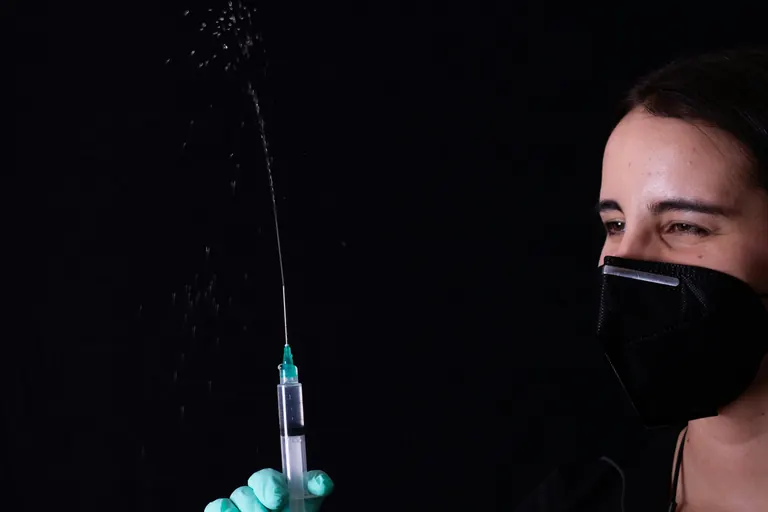
Botox (OnabotulinumtoxinA): Botox is a purified neuromodulator derived from Clostridium botulinum. It temporarily relaxes targeted facial muscles responsible for dynamic wrinkles such as forehead lines, frown lines, and crow’s feet. FDA-approved for cosmetic use in 2002, Botox is one of the most researched and widely performed aesthetic medical treatments worldwide.
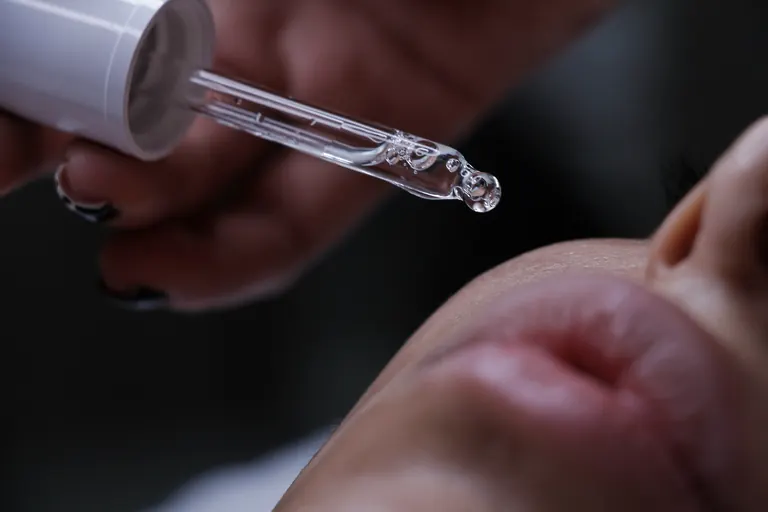
Skincare: Skincare refers to the daily use of topical products, such as cleansers, moisturizers, sunscreens, retinoids, antioxidants, acids, and barrier-repair ingredients, designed to protect, repair, and maintain the skin. Modern skincare is supported by dermatological research and plays a crucial role in preventing premature aging and maintaining skin health.
1.2 Mechanism of Action
- Botox: Blocks acetylcholine release at the neuromuscular junction, preventing muscle contraction. This reduces repetitive facial movements that cause wrinkles and allows the skin above to smooth.
- Skincare: Works at the epidermal and superficial dermal level by supporting the skin barrier, improving cell turnover, protecting against UV damage, neutralizing free radicals, and stimulating mild collagen production over time.
1.3 Medical vs. Cosmetic Classification
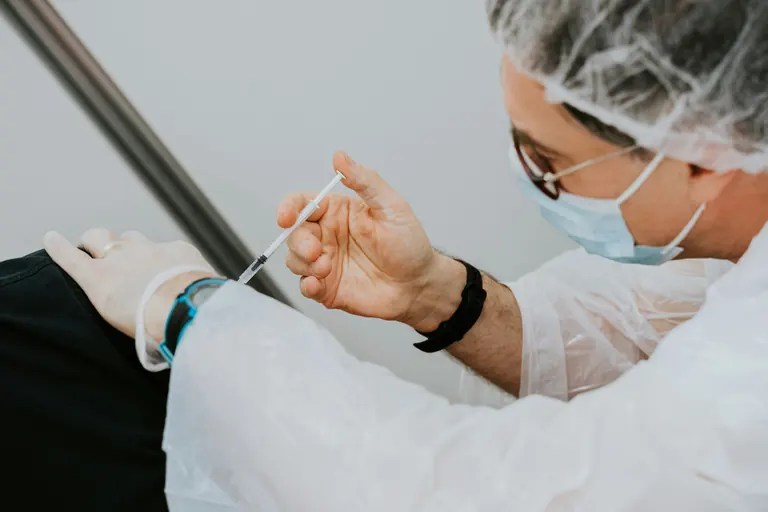
- Botox: A prescription-only medical treatment administered by trained professionals.
- Skincare: Non-invasive cosmetic products available over the counter or by prescription (e.g., tretinoin).
2. Botox vs Skincare: the differences that matter
2.A Purpose and Treatment Focus
- Botox: Targets dynamic wrinkles caused by muscle movement. It does not improve skin hydration, pigmentation, or texture.
- Skincare: Targets skin quality concerns such as dryness, uneven tone, pigmentation, acne, fine lines, and barrier damage, but cannot stop muscle-driven wrinkles.
2.B Areas of Impact
| Concern | Botox | Skincare |
|---|---|---|
| Forehead Lines | ✔ Highly effective | ⚠ Minimal improvement |
| Crow’s Feet | ✔ Gold standard | ⚠ Limited |
| Pigmentation | ✖ | ✔ Major benefit |
| Acne | ✖ | ✔ Major benefit |
| Skin Barrier | ✖ | ✔ Essential |
| Prevention | ✔ Muscle-related | ✔ UV & environmental |
2.C Speed of Results
- Botox: Visible results in 3–5 days, peak at 10–14 days.
- Skincare: Gradual improvement over weeks to months depending on products and consistency.
2.D Duration of Results
- Botox: 3–4 months per treatment.
- Skincare: Continuous benefits as long as products are used consistently.
3. How well each one actually works
3.A Wrinkle Reduction
- Botox: Highly effective for expression-related wrinkles and wrinkle prevention.
- Skincare: Can soften fine static lines with retinoids and exfoliants but cannot stop wrinkles caused by facial movement.
3.B Skin Quality & Health
- Botox: Minimal effect on skin tone, texture, or hydration.
- Skincare: Improves hydration, glow, texture, pigmentation, and overall skin resilience.
3.C Long-Term Aging Prevention
- Botox: Prevents muscle-driven wrinkle deepening.
- Skincare: Prevents photoaging, oxidative damage, and barrier breakdown, key drivers of premature aging.
4. Pricing compared
4.A Average Cost
- Botox: $300–$700 per session depending on areas treated.
- Skincare: $50–$300+ per month depending on routine and product quality.
4.B Maintenance Requirements
- Botox: Requires repeat treatments every 3–4 months.
- Skincare: Requires daily, long-term consistency.
4.C Long-Term Investment
- Botox offers predictable, targeted results.
- Skincare offers cumulative, preventative benefits.
5. How safe is each one
5.A Common Side Effects
- Botox: Mild bruising, swelling, headache, temporary muscle weakness.
- Skincare: Irritation, dryness, purging (especially with retinoids or acids).
5.B Rare Risks
- Botox: Eyelid drooping, asymmetry, frozen appearance if improperly injected.
- Skincare: Contact dermatitis or sensitivity reactions if products are misused.
5.C Downtime Comparison
- Botox: Minimal to none.
- Skincare: No downtime, though adjustment periods may occur.
6. Ideal Candidates: Who Should Choose Which?
Botox Is Best For:
- Patients with visible dynamic wrinkles.
- Those seeking fast, noticeable results.
- Individuals interested in wrinkle prevention from muscle movement.
Skincare Is Best For:
- Everyone, regardless of age.
- Individuals concerned with skin health, pigmentation, acne, or sensitivity.
- Patients seeking non-invasive, long-term skin maintenance.
The Reality
- Skincare cannot replace Botox for muscle-driven wrinkles.
- Botox cannot replace skincare for skin health.
7. Expert and patient perspectives
7.1 Provider Insights
- Botox: Essential for treating expression-related aging.
- Skincare: Considered the foundation of all aesthetic treatments.
7.2 Patient Feedback
- Botox users appreciate rapid wrinkle smoothing.
- Skincare users value improved skin comfort, glow, and long-term protection.
7.3 Before-and-After Expectations
- Botox: Noticeable reduction in wrinkles.
- Skincare: Gradual improvement in tone, texture, and clarity.
8. Combination Strategy: Botox + Skincare
8.1 Can Skincare Replace Botox?
No. Even the best skincare cannot stop muscle contraction.
8.2 Can Botox Replace Skincare?
No. Botox does not protect the skin from UV damage, pollution, or dehydration.
8.3 Ideal Anti-Aging Strategy
- Botox for wrinkle prevention and correction.
- Skincare for barrier protection, repair, and long-term skin health.
Final Thoughts: Botox vs. Skincare
Botox and skincare are not competitors, they are complementary pillars of effective anti-aging. Botox addresses muscle-driven wrinkles quickly and predictably, while skincare protects and improves the skin’s health, resilience, and appearance over time.
If your goal is long-term, natural-looking aging prevention, the best approach is not choosing Botox or skincare, but understanding how to use both together strategically.
Always consult a qualified aesthetic professional or dermatologist to create a personalized plan that balances medical treatments with an evidence-based skincare routine.

Frequently asked questions
Can skincare replace Botox?
For lines caused by muscle movement, no, and no topical product changes that. A cream cannot reach or affect the neuromuscular junction; that is what a neurotoxin injection does. What good skincare genuinely does is improve the quality of the skin those lines sit in, which is a real benefit and a different one. Products marketed as a Botox alternative are describing an effect on skin, not on muscle.
Which ingredients actually have evidence behind them?
The distinction worth holding is between ingredients with decades of clinical literature and ingredients with marketing. Retinoids and sunscreen are the two with the strongest and longest evidence for changing how skin ages, and neither requires a clinic. That is the honest baseline against which any additional treatment should be judged, including a neurotoxin.
Does using skincare make Botox last longer?
No published evidence establishes that, and it is worth being sceptical of the claim because it is usually made by someone selling the skincare. How long a neurotoxin lasts is governed by the dose, the muscle and how quickly your nerve terminals recover. What good skincare plausibly does is make the overall result look better, which is not the same thing as making it last.
If I can only do one, which should it be?
Sunscreen, and it is not close. It is the cheapest intervention with the strongest evidence for preventing the photoageing that produces static lines, pigmentation and texture change. A neurotoxin treats lines you already have from movement; consistent sun protection reduces how much damage accumulates in the first place. They are not competing for the same job.
At what age should I add treatment to skincare?
There is no age at which this becomes appropriate, and any clinic that gives you one is guessing. The useful test is behavioural rather than chronological: look at whether your lines are visible when your face is completely at rest. If they only appear when you move, that is a movement line and treatment is a live option whatever your age. If they are visible at rest, that is skin change and a neurotoxin is not the answer.
Sources
Every figure on this page was read from the documents below rather than from a clinic or a manufacturer's marketing. They open in a new tab so you can check any claim here against its source.
- BOTOX Cosmetic prescribing information, FDA via DailyMed
- Retinoid or retinol?, American Academy of Dermatology