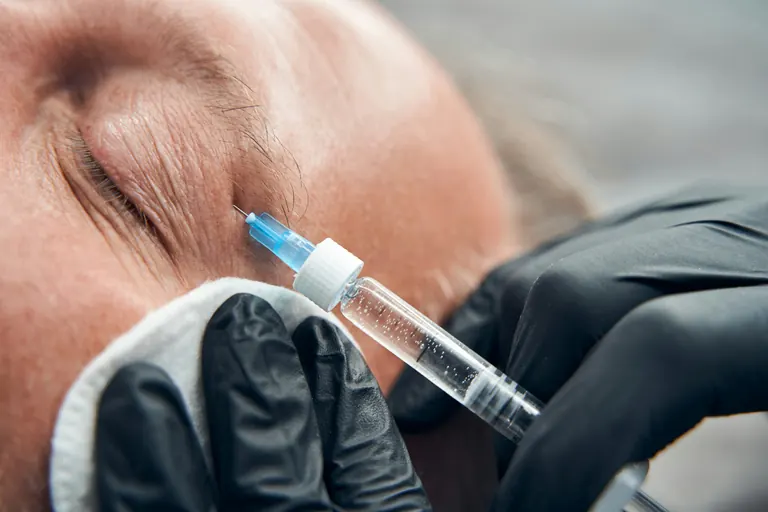
Bunny Lines and Botox: The Spot Everyone Injects Is Not Muscle
Reviewed for medical accuracy against our Medical Review Board · Last updated 27 August 2026
Part of Botox by Facial Area
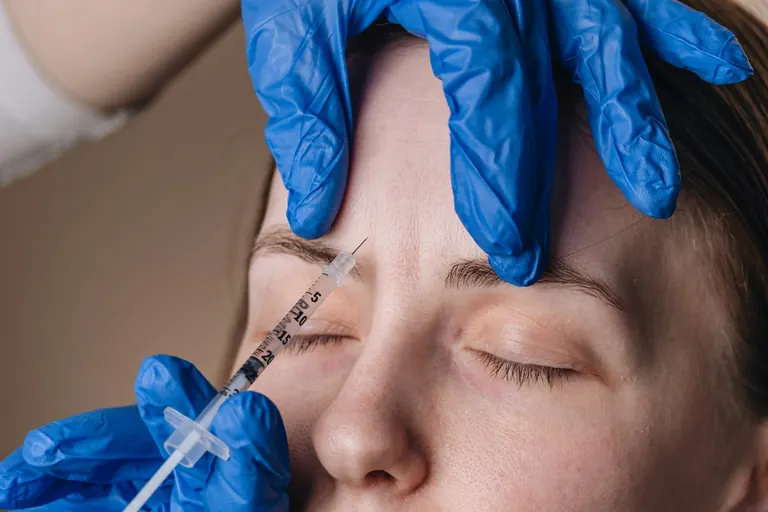
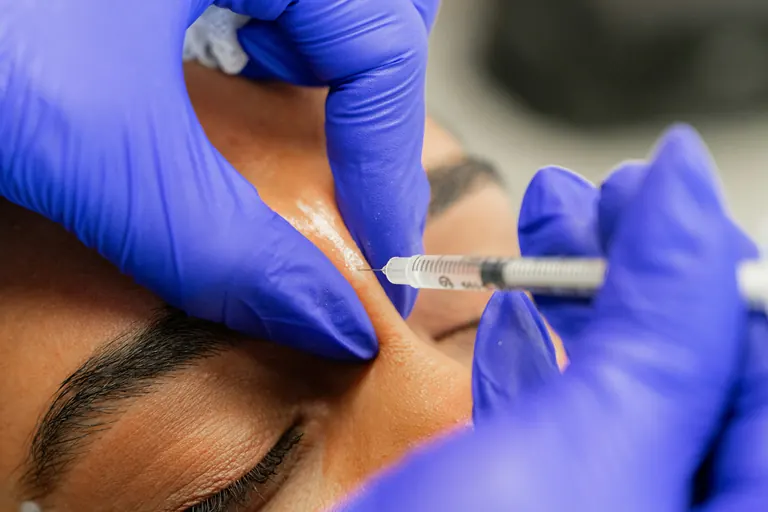
Bunny lines are the diagonal creases that fan out across the bridge of the nose when you scrunch it or smile hard. Everyone treats them by injecting into the wrinkle itself. In 2025 a team dissected 39 cadavers and scanned 13 living volunteers, and found that the spot everyone injects is not muscle. It is a gap between four muscles, filled with connective tissue. Their conclusion is that the conventional injection is "likely to target connective tissue rather than a muscle, potentially producing suboptimal results".
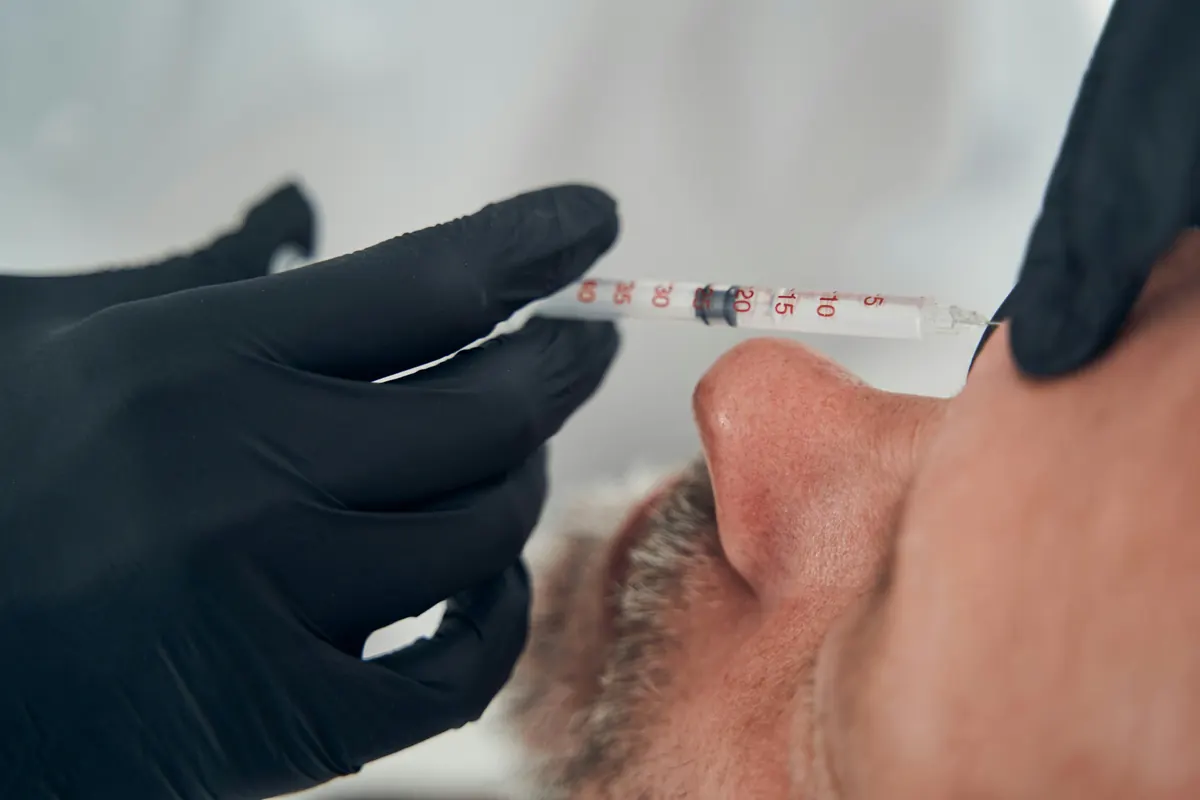
That is a published anatomical argument that the standard technique aims at the wrong thing, and it is the most useful piece of information available about this area. It also explains something patients report constantly: bunny line treatment works beautifully for some people and does very little for others.
1. What bunny lines actually are
Bunny lines are dynamic wrinkles. They appear on the sides and bridge of the nose when you scrunch your nose, laugh hard, or squint, and they disappear when your face relaxes. If yours are visible at complete rest, you are looking at something else, most likely thin skin and sun damage, and a neurotoxin is not the treatment for that.
They are conventionally attributed to the nasalis, the muscle that wrinkles the nose. That attribution is the starting point for every clinic page on the subject and it is roughly right, but section 3 is where it gets complicated and considerably more interesting.
One thing worth knowing up front: bunny lines quite often become more noticeable after Botox, specifically after frown line treatment. That is not a complication, it is a predictable consequence, and it is covered in section 8.
2. The label does not name the muscle
We searched the complete BOTOX Cosmetic prescribing information, the version effective 18 October 2024, which runs to nearly 136,000 characters. "Bunny" appears zero times. "Nasalis", the target muscle, appears zero times. "Nasolabial" appears zero times.
For comparison, the four approved cosmetic areas are documented exhaustively: glabellar lines 64 mentions, platysma bands 50, forehead lines 43, lateral canthal lines 35. Each of those comes with a labelled dose, a labelled number of injection sites, and figures showing where the needle goes.
Bunny lines have none of that. Off-label prescribing is legal and routine, and treating this area is entirely standard practice. What it means is that no regulator has ever reviewed a dose or an injection map for the nose, so every number you are quoted comes from clinical practice rather than a registration trial. Our units by area guide labels every row with its status.
3. The bunny triangle, and why it matters
In 2025 Clinical Anatomy published a study of the tissue that actually sits under a bunny line. The method was thorough: ultrasound imaging of the area between the inner corner of the eye and the bridge of the nose in 13 living volunteers, mean age 29, plus dissection of 39 cadavers.
What they found was consistent across both. The area is not filled with a single muscle. There is a reliable non-muscular gap bounded by the edges of four different muscles: the procerus between the brows, the nasalis on the nose, the orbicularis oculi around the eye, and the levator labii superioris alaeque nasi running down beside the nose. The authors named it the bunny triangle.
The consequence is stated plainly in the paper. Because the conventional injection goes into the wrinkle itself, and the wrinkle sits over that gap, the standard technique is "likely to target connective tissue rather than a muscle, potentially producing suboptimal results".
What this does and does not mean
It does not mean bunny line treatment is a scam or that it never works. Plenty of people get a good result, and a neurotoxin placed near a muscle border still reaches muscle by diffusion. It means the conventional target is anatomically not the muscle, that some of the drug is being placed in tissue that cannot respond, and that this is a published explanation for why the area disappoints some patients.
It also means an injector who understands the borders is doing something measurably different from one aiming at the crease, and that is worth asking about.
4. What the anatomists recommend instead
The paper's recommendation follows directly from the finding: injection points "probably need to target the borders of the procerus, nasalis, orbicularis oculi and LLSAN muscles to be most efficient". In other words, aim at the edges of the muscles that surround the crease rather than at the crease itself.
Two honest caveats. This is an anatomical study, not a clinical trial: it establishes what is under the skin and argues a technique from it, but it did not treat patients and compare outcomes. And it is a single paper. A 2026 paper in the Journal of Cosmetic Dermatology asks the question directly in its title, "Where Should We Inject Botulinum Toxin for the Bunny Lines?", which tells you the question is live in the literature rather than settled.
What it gives you as a patient is a specific, informed question to ask, which is a great deal more than most people walk in with. See section 11.
5. Why results vary so much between people
The same study found that the size and shape of the bunny triangle vary according to the width of the procerus and nasalis muscles. Your gap is not the same size as anybody else's.
That is a concrete anatomical reason why this area is inconsistent. If your nasalis is broad, the conventional injection point is closer to real muscle and more of the dose lands where it can work. If your procerus and nasalis are narrow, the triangle is larger, the same injection sits further from any muscle, and you get less. Nobody can tell which you are by looking at your face from across a consultation room.
The practical version: if bunny line treatment has underwhelmed you before, that may be your anatomy rather than a bad injector or a resistance to the drug. It is worth saying so, because the fix is a change in placement rather than a larger dose. Pushing the dose up in this area is how you get the problems in section 9.
6. How little research exists here
Worth calibrating expectations against. Searching PubMed for bunny lines or the nasalis muscle with botulinum toxin returns about 32 results. The equivalent search for the marionette line muscle returns roughly 193, and gummy smile around 105.
This is the least studied of the common off-label facial areas. It is a small treatment on a small muscle and it has not attracted much formal investigation, which is precisely why a single careful anatomical study can be the best information available about it. Treat confident claims about this area with more scepticism than you would apply to frown lines, where there are registration trials with thousands of patients.
7. Units, and why small is the whole point
There is no labelled dose. In practice this is one of the smallest treatments in facial aesthetics: commonly 2 to 5 units per side, so roughly 5 to 10 units in total, which matches our units guide.
The reason to keep it small is functional rather than cosmetic. The muscles here are involved in moving your nose and, at the edges, your upper lip. Too much drug, or drug placed too low, and you can affect the way your lip lifts when you smile. A treatment intended to soften a crease that only appears when you scrunch your nose is not worth a change to your smile, and the dose that achieves the first without risking the second is genuinely tiny.
A generous unit count in this area is not better value. Bunny lines are a 2 to 5 unit per side treatment. If the number you are quoted is much larger, ask what else is being treated and where those units are going.
8. The frown line connection nobody mentions
This is the practical thing most people wish they had known earlier. Bunny lines frequently get worse after frown line treatment, and it is predictable.
When the procerus and the muscles between your brows are relaxed by glabellar treatment, the surrounding muscles compensate. The nasalis takes up some of the work, so it contracts harder than it used to, and creases that were previously hidden by a strong frown become the most obvious movement in your mid face. People describe this as Botox causing bunny lines. It is closer to Botox revealing them.
Two consequences. First, if you are booking frown lines for the first time, it is reasonable to ask whether your nose is likely to compensate and to plan for it rather than be surprised in three weeks. Second, treating bunny lines is very often a follow-up to glabellar treatment rather than a standalone purchase, which is why the two are so often quoted together. That bundling is legitimate here, unlike some of the packages we describe elsewhere.
9. What can go wrong
The specific risks in this area follow from what is next door. Below and to the side of the nasalis is the levator labii superioris alaeque nasi, one of the muscles that lifts your upper lip. Drug reaching it can flatten the lift on that side, producing an uneven smile or a slightly stiff upper lip. Because the muscles here are small and close, and because the conventional target is a gap rather than a muscle, placement matters more than dose.
Above and between, the procerus and the inner brow are close enough that a dose intended for the nose can affect brow position. And as with any injection near the eye, bruising in this area is conspicuous because the skin is thin.
Everything here is temporary and resolves as the drug wears off, which our page on how long Botox lasts covers, but weeks of an uneven smile from a treatment aimed at a crease you only make when you scrunch your nose is a poor trade. This is an area to have treated by somebody who does it regularly, and confirming their licence takes two minutes with our verification guide.
10. What it costs at real published rates
Bunny lines are among the cheapest neurotoxin treatments available, which is both good news and the reason they are rarely sold alone. The figures use per-unit rates published by clinics in the cities we cover.
| City | Published rate per unit | 5 to 10 units |
|---|---|---|
| Atlanta, GA | $9 to $15 | $45 to $150 |
| Austin, TX | $11 to $13.5 | $55 to $135 |
| Charleston, SC | $9.99 to $13 | $50 to $130 |
| Charlotte, NC | $9 to $15 | $45 to $150 |
| Chicago, IL | $9 to $15 | $45 to $150 |
| Clearwater, FL | $10 to $12.99 | $50 to $130 |
| Denver, CO | $10 to $16 | $50 to $160 |
| Houston, TX | $12 to $14.5 | $60 to $145 |
| Las Vegas, NV | $10 to $16 | $50 to $160 |
| Nashville, TN | $10 to $14 | $50 to $140 |
| Philadelphia, PA | $10 to $15 | $50 to $150 |
| Phoenix, AZ | $9.99 to $13 | $50 to $130 |
| Raleigh, NC | $13 to $14 | $65 to $140 |
| Salt Lake City, UT | $9.8 to $14 | $49 to $140 |
| San Antonio, TX | $10.5 to $12.5 | $52 to $125 |
| San Diego, CA | $10 to $16 | $50 to $160 |
| Scottsdale, AZ | $10.5 to $13.5 | $52 to $135 |
| Tampa, FL | $10 to $18 | $50 to $180 |
At those numbers the treatment costs less than most clinic minimum spends, so in practice you will be quoted it as an add-on to frown lines or forehead lines. Ask for the itemised figure anyway, and ask whether a minimum applies, because a minimum can cost more than the treatment.
11. What to ask before you agree
Five questions for a bunny line consultation
- Are you injecting into the crease, or at the muscle borders around it? This is the question the 2025 cadaveric study hands you. The area under the crease is a non-muscular gap, and the anatomists' recommendation is to target the borders of the procerus, nasalis, orbicularis oculi and LLSAN instead. Any answer that engages with this is a good sign.
- How do you avoid affecting my upper lip? The muscle that lifts the lip runs right beside the target. A specific answer about placement and depth beats reassurance.
- What dose per side? Expect 2 to 5 units. A much larger number needs explaining.
- If I am also having my frown lines done, will my nose compensate? It often does. Better to plan for it than to discover it three weeks later.
- Are my bunny lines visible at rest? If they are, some of what you see is skin rather than muscle, and a neurotoxin will not address that part. Ask what will.
The reason this page spends so long on one anatomy paper is that it is genuinely the most actionable information available about a treatment that thousands of people buy every week. The conventional target is not the muscle. That does not make the treatment useless, but it does mean placement is the variable that decides your result, and it gives you something specific to ask about instead of hoping for the best.
Every area Botox treats, and what each one takes
Botox is not one treatment, it is eight or so, and the dose ranges by a factor of thirty between the smallest and the largest. 4 of these areas are on the FDA label; the rest are off-label, which is legal and common but means the dose comes from clinical practice rather than from a registration trial.
| Area | Typical dose | FDA status |
|---|---|---|
| Frown lines (glabella) | 20 units | FDA approved |
| Forehead lines | 20 units, with the glabella | FDA approved |
| Crow's feet | 24 units | FDA approved |
| Neck and platysmal bands | 26 to 36 units | FDA approved |
| Brow lift | 4 to 12 units | Off-label |
| Lip flip | 2 to 6 units | Off-label |
| Masseter (jaw slimming) | 40 to 60 units | Off-label |
| Under the eyes | 1 to 4 units per side | Off-label |
| Bunny lines (nose) (you are here) | 2 to 5 units per side | Off-label |
| Gummy smile | 2 to 3 units per side | Off-label |
| Marionette lines | 2 to 8 units per side | Off-label |
Units are not comparable between brands, so these are Botox units. Full ranges per area are in the units guide and calculator.
Frequently asked questions
What are bunny lines and can Botox fix them?
How many units of Botox for bunny lines?
Why did Botox make my bunny lines worse?
Where should bunny lines be injected?
Why does bunny line treatment work for some people and not others?
Can Botox for bunny lines affect my smile?
Sources
Every figure on this page was read from the documents below rather than from a clinic or a manufacturer's marketing. They open in a new tab so you can check any claim here against its source.
- Anatomical etiology of bunny lines based on cadaveric dissection and ultrasonographic evaluation, Clinical Anatomy, 2025
- Where Should We Inject Botulinum Toxin for the Bunny Lines?, Journal of Cosmetic Dermatology, 2026
- BOTOX Cosmetic prescribing information, FDA via DailyMed

Know the count before the quote. The unit count is half the bill, and a low per-unit rate recovered by a high unit count is the commonest way a deal is not one. How to tell.
Deciding which area, not how many units? Botox by facial area covers what each zone actually achieves, which four are FDA approved, and the things Botox cannot fix at all.